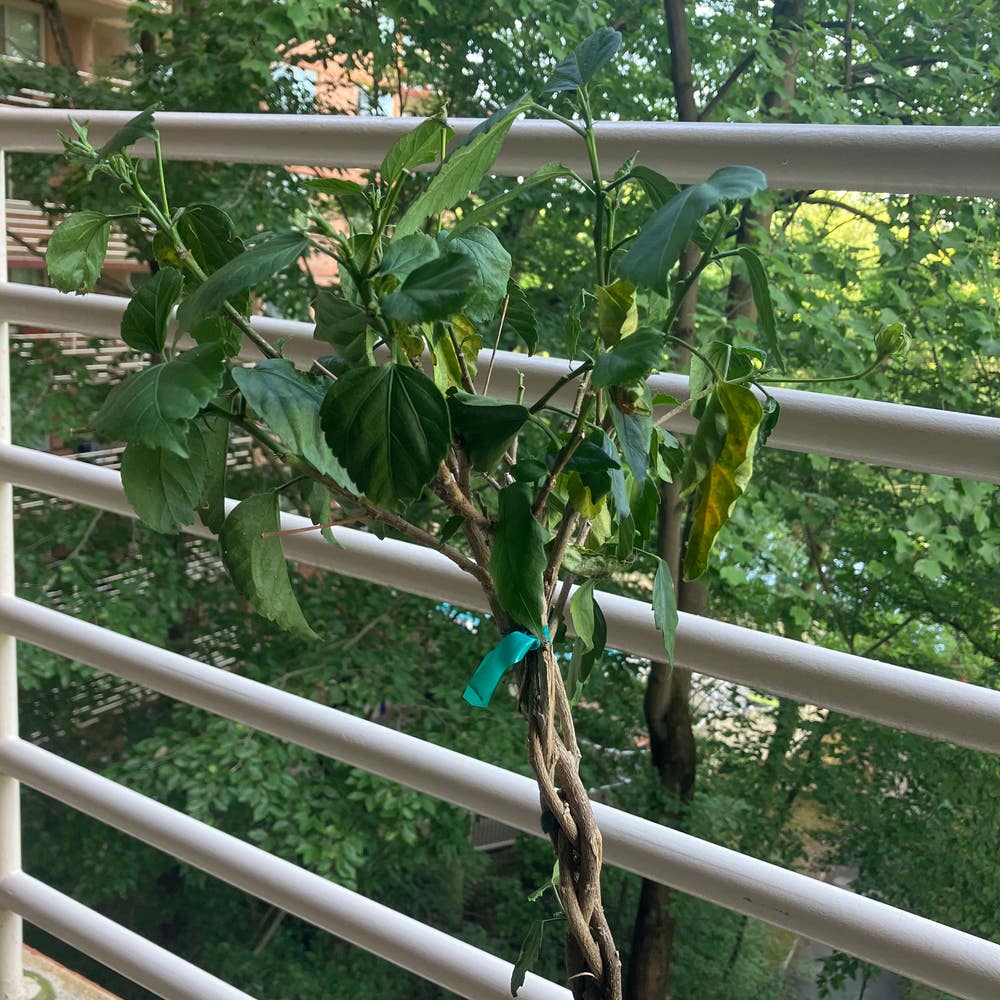
Why Are My Island Broom Leaves Curling?
Acmispon dendroideus
By the Greg Editorial Team
Jun 16, 2024•4 min read
This article was created with the help of AI so we can cover more plants for you. May contain errors. See one? Report it here.
- Curling leaves signal underwatering, overwatering, or pests.
- Early signs: Subtle bends and texture changes in leaves.
- Prevent and treat with balanced water, light, and pest control.
Spotting the Signs: When Your Island Broom is Unhappy
🍃 Recognizing Leaf Curl
Island Broom leaves twisting into unusual shapes? That's a red flag. Upward curls often scream underwatering, while downward spirals may whisper overwatering or pest troubles. Discoloration, like yellowing or brown spots, usually joins the curling party uninvited.
🚨 Early Warning System
Before the curling gets out of hand, your Island Broom might send up flares. Look for subtle bends or a change in leaf texture—these are your plant's version of a "check engine" light. Regular checks can catch these early signs, allowing you to act before a full-blown crisis unfolds.
The Usual Suspects: Common Causes of Leaf Curling
💦 Thirsty Roots or Drowning?
Island Broom's leaves curling could be a cry for hydration or a sign of aquatic overindulgence. Underwatering leaves the foliage reaching skyward, while overwatering causes a downward spiral. Check the soil before you water—aim for damp, not saturated or desert-dry.
🌞 The Sunburn and Chill Factor
Too much sun can lead to a leafy sunburn, while too little leaves your Island Broom chilly and stressed. Find that sweet spot of bright, indirect light. Keep the temperature consistent; abrupt changes can make leaves curl like a startled armadillo.
🐜 Uninvited Guests: Pests and Pathogens
Pests such as spider mites and thrips can turn leaves into their personal buffet, resulting in curling and discoloration. Diseases, on the other hand, leave a trail of yellowing and spots. Improve air circulation and consider organic pesticides to keep these party crashers at bay.
The Recovery Plan: Treating Curled Leaves
🌱 Adjusting Care Routines
Watering and light exposure are the yin and yang of plant care. Get them wrong, and your Island Broom's leaves will curl faster than a new yoga student. To uncurl those leaves, start by checking the soil moisture. If it's drier than a comedian's wit, it's time to water. But if it's soggier than a wet sponge, hold off on the H2O. Aim for moist, not swampy.
Bright, indirect light is the sweet spot. If your plant's been sunbathing in the midday blaze, it's no wonder the leaves are curling up in protest. Move it to a spot where it can enjoy the morning rays without the scorching afternoon sequel.
🚑 Emergency Interventions
Sometimes, you've got to be the plant's superhero. If you spot leaves that are beyond the point of no return, it's time to prune. Snip off the damaged goods with clean, sharp tools. It's not just a makeover; it's a strategic move to redirect energy to the healthier parts of the plant.
Post-trim, don't just leave your plant hanging. Ensure it has the right balance of water, light, and nutrients to recover. It's like giving it a plant version of bed rest with all the care essentials within reach. Watch for signs of improvement, like new growth or leaves starting to relax back into their natural state. If they do, you're on the right track. If not, reassess your care strategy—your plant's trying to tell you something.
Keeping It Straight: Preventing Future Curling
📅 Consistent Care Schedule
Establishing a routine is like setting an alarm clock for plant care. It's non-negotiable. Watering, light exposure, temperature checks – all should be as regular as your morning coffee.
👀 Monitoring and Adjusting
Keep a watchful eye on your Island Broom like it's the newest binge-worthy series. Changes in leaf color, texture, or form? Time to tweak your care strategy. Adjustments should be as immediate as hitting the snooze button when your alarm goes off.
🐜 Vigilance Against Pests and Diseases
Be the bouncer of your plant's exclusive club. Regular inspections for pests and diseases keep the riff-raff out. Spot an aphid? Show it the door with a spritz of insecticidal soap. Prevention is about being proactive, not reactive.
⚠️ Safety First
This content is for general information and may contain errors, omissions, or outdated details. It is not medical, veterinary advice, or an endorsement of therapeutic claims.
Always consult a qualified healthcare professional before using any plant as food, medicine, or supplement.
Never eat any plant (or feed one to pets) without confirming its identity with at least two trusted sources.
If you suspect poisoning, call Poison Control (800) 222-1222, the Pet Poison Helpline (800) 213-6680, or your local emergency service immediately.
Spotted an error? Please report it here.
Prevent your Island Broom's leaves from curling by letting Greg monitor and adjust 🌿 your plant's care routine, ensuring the right moisture and light for healthy growth.