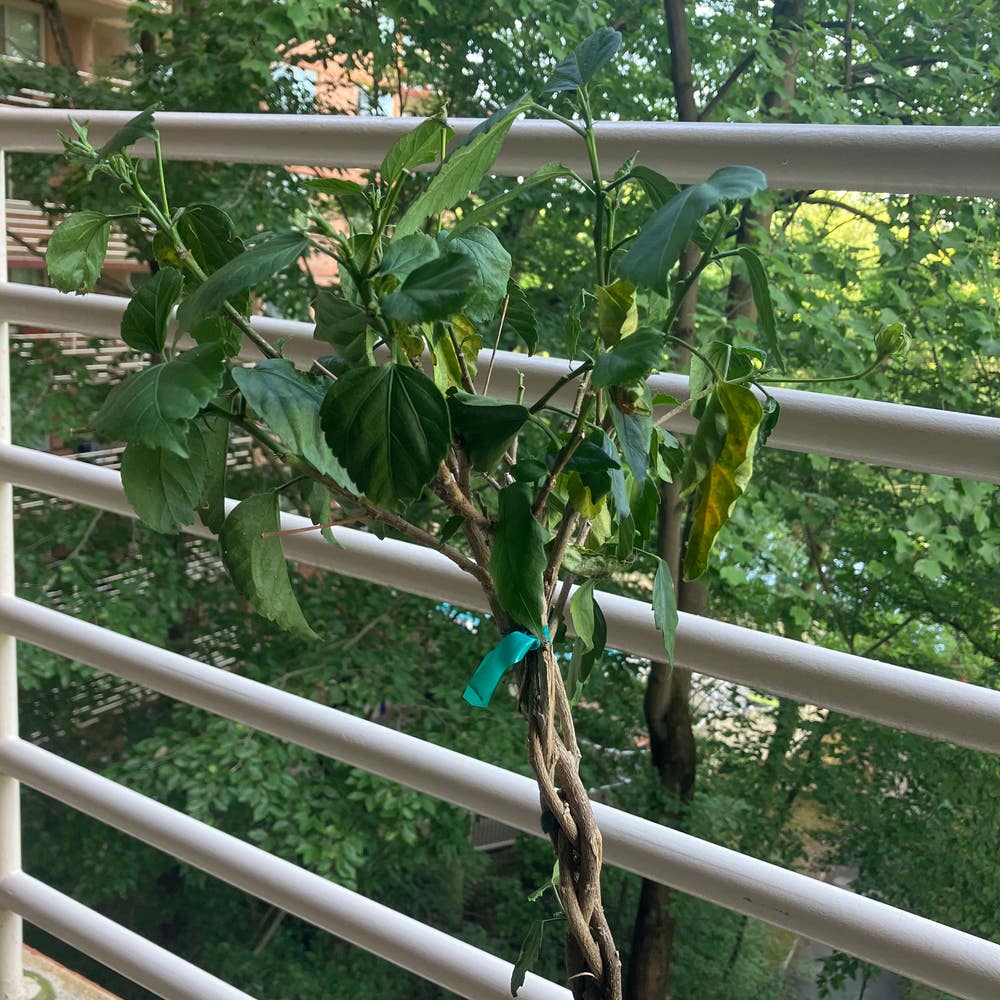
Black Spots on My Island Broom Leaves
Acmispon dendroideus
By the Greg Editorial Team
Jun 16, 2024•4 min read
This article was created with the help of AI so we can cover more plants for you. May contain errors. See one? Report it here.
- Fungal and bacterial causes: Identify to treat black spots effectively.
- Prevent with smart watering: Water at the base, improve air circulation.
- Use fungicides and bactericides: Chlorothalonil, mancozeb, and copper-based products.
Spotting the Trouble: Recognizing Black Spots on Island Broom
🕵️♂️ Visual Symptoms
Island Broom's black spots are alarm bells. Tiny specks or large patches, they often come with concentric rings or feathery edges. A yellow halo might encircle these lesions, hinting at a fungal invader.
Accompanying Signs
Other signs often accompany black spots, like leaf discoloration. If spots are sticky, think pests. Regular leaf inspections are crucial—turn over every leaf. Watch for spots that start small but threaten to expand.
Plant Care 101
Choosing the Right Plants
Watering Tips
Soil and Fertilizer
Dealing with Pests and Diseases
Pinpointing the Culprit: Diagnosis Tactics
🍄 Fungal vs. Bacterial: Spot the Difference
Identifying the type of black spots is crucial for effective treatment. Fungal spots often present with concentric rings or a powdery texture, sometimes accompanied by a yellow or red halo. They can vary in size and shape but typically start small and expand outward.
Bacterial spots look different. They might appear as water-soaked lesions, often with a slimy feel and a lighter center. They can exude a foul odor and are usually more dramatic in appearance than their fungal counterparts.
🕵️ Other Suspects
Not all black spots are caused by fungi or bacteria. Environmental stress can also be a villain, causing black spots that lack the halos or sliminess of infections. Overwatering or excessive sunlight can leave their mark in the form of scorched tips or brownish patches.
Pests or nutrient deficiencies can also cause black spots, but these usually come with additional clues like visible insects or a general decline in plant health. If you're seeing holes alongside the spots, it's a red flag that pests might be the culprits.
Remember, proper diagnosis is key. If in doubt, consulting a plant pathology expert can save your Island Broom from further distress.
Battling Black Spots: Treatment Strategies
🍄 Fungicide to the Rescue
When fungal invaders are the culprits behind the black spots on your Island Broom, it's time to bring out the big guns: fungicides. Chlorothalonil and mancozeb are like your plant's personal bodyguards, forming a protective shield against those pesky spores. Apply these fungicides thoroughly, ensuring every leaf, top to bottom, is covered. But don't drown your plant in the process. It's a fine line between protection and overkill. To prevent the fungi from getting too comfortable, rotate your fungicides regularly. It's like keeping them on their toes, so they can't settle in and build resistance.
💥 Bacterial Battle Plan
If bacteria are throwing the party on your plant's leaves, it's time to crash it with copper-based bactericides. These are the heavy hitters in your plant health arsenal, but they require a delicate touch. Use them sparingly to avoid creating superbugs that laugh in the face of your efforts. When applying, think precision—like painting the fine details on a miniature figurine. The label is your bible here; deviate at your plant's peril.
🌱 Cultural Combat
Beyond chemicals, your cultural practices are like the daily habits that keep your plant fit and resilient. Improve drainage and soil quality to keep those roots breathing, not drowning. Crank up the air circulation around your plants; it's like setting up a no-fly zone for spores. And when you spot affected leaves, remove them with the urgency of a surgeon excising a tumor. It's not just cleaning up; it's removing the source of the infection. Remember, the best offense is a good defense—so keep your plant's living conditions optimal to avoid future outbreaks.
Keeping Black Spots at Bay: Prevention Practices
💧 Water Wisdom
Watering: it's a simple act that can make or break your Island Broom's health. Aim for the base to keep those leaves as dry as a humorist's wit. Overhead watering is the arch-nemesis of spot-free leaves; it's like inviting the fungi to a pool party on your plant. Instead, water early in the morning, giving any accidental splashes time to evaporate before nightfall. It's about precision, not drenching.
🌬️ Climate Control
Air circulation is the unsung hero in the fight against black spots. Plants need their personal space, just like that one friend who values their alone time. Ensure there's enough room between your Island Brooms for air to flow freely, whisking away excess moisture and discouraging fungal gate-crashers. Think of it as social distancing for plants.
Humidity can be a double-edged sword. Too much, and you're hosting a fungal fiesta; too little, and your plants are gasping for moisture. Strike the right balance with a hygrometer, your secret weapon in creating the perfect environment. It's like having a thermostat for plant comfort.
Remember, prevention is the shield that keeps the black spot dragon at bay. Keep these tactics sharp, and your Island Broom will thank you with spotless leaves.
⚠️ Safety First
This content is for general information and may contain errors, omissions, or outdated details. It is not medical, veterinary advice, or an endorsement of therapeutic claims.
Always consult a qualified healthcare professional before using any plant as food, medicine, or supplement.
Never eat any plant (or feed one to pets) without confirming its identity with at least two trusted sources.
If you suspect poisoning, call Poison Control (800) 222-1222, the Pet Poison Helpline (800) 213-6680, or your local emergency service immediately.
Spotted an error? Please report it here.