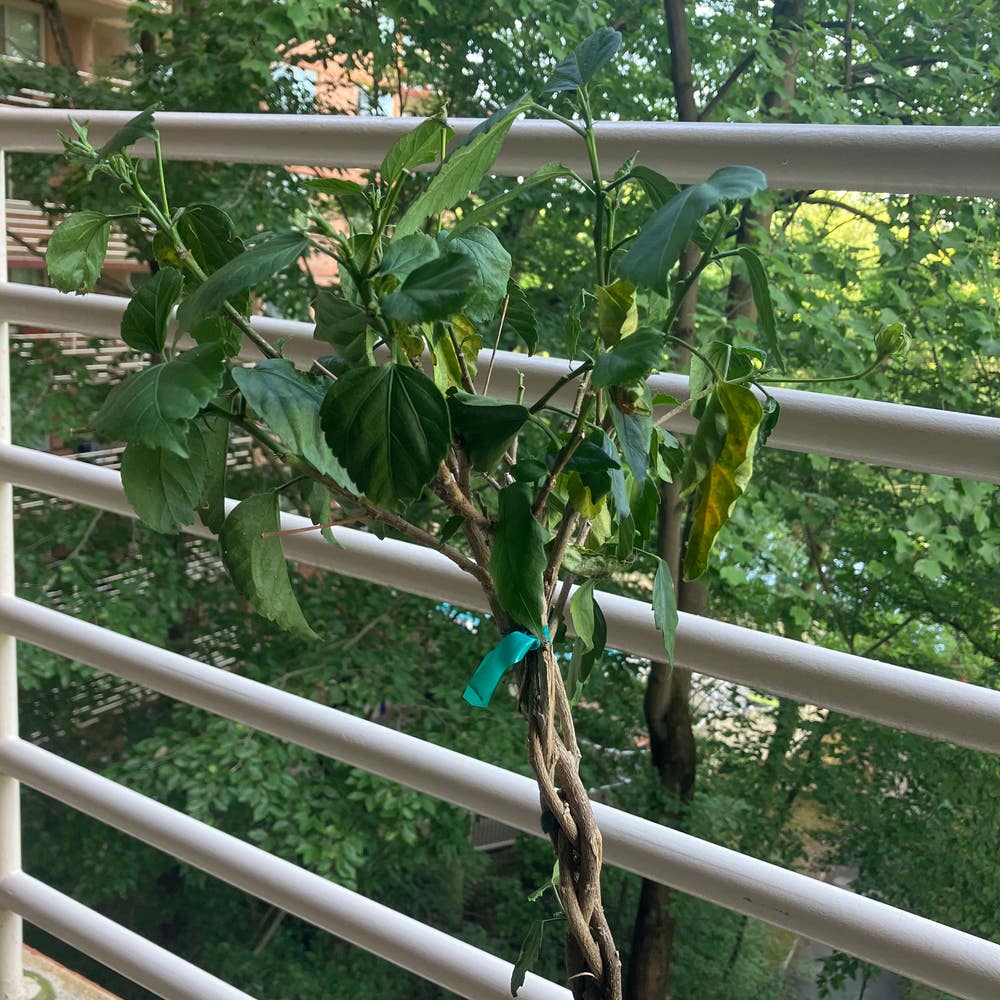
Why Is My Island Broom Dropping Leaves?
Acmispon dendroideus
By the Greg Editorial Team
Jun 16, 2024•4 min read
This article was created with the help of AI so we can cover more plants for you. May contain errors. See one? Report it here.
- Excessive leaf drop signals distress; look for discoloration and texture changes.
- Balance light and temperature to prevent wilting and stunted growth.
- Adjust watering and soil for optimal moisture, nutrients, and pH.
Spotting the Signs of Trouble
🍂 Identifying Normal vs. Excessive Leaf Drop
Normal leaf shedding is as routine as your daily commute. But when your Island Broom starts dropping leaves like it's going out of style, you've got a problem. Young leaves hitting the deck is a red flag. It's not just old age; it's a sign of distress.
🚨 Recognizing when leaf drop signals a problem
When leaf loss becomes the main event rather than a side show, it's time to act. Look for a leaf landslide rather than the occasional tumble. This isn't just a plant trying to stay youthful; it's a cry for help.
👀 Visual Clues and Symptoms
Before leaves take the plunge, they often send smoke signals. Discoloration, spots, or a funky texture—these aren't just quirks; they're distress signals. Flip those leaves and inspect like a hawk; pests and diseases are playing hide and seek underneath.
🔄 Noting any patterns in leaf drop that may indicate specific issues
Consistency is your clue. A predictable pattern of leaf loss might just be the plant's natural rhythm. But if leaves are bailing out in all directions, you've got an erratic situation on your hands. It's not just shedding; it's a sign that your Island Broom is in trouble.
Environmental Stress and Leaf Loss
🌡️ Battling Temperature and Drafts
Temperature stress in Island Broom plants manifests as wilting, leaf discoloration, and stunted growth. These symptoms are a plant's SOS, indicating discomfort in its current spot. To combat drafts, position your plant away from air vents, open windows, and doors that lead to the great outdoors. Think of it as creating a no-fly zone for breezes around your leafy friend.
🌞 Light Levels: Finding the Sweet Spot
If your Island Broom's leaves are throwing a fit—yellowing, curling, or looking scorched—it's time to reassess its sunbathing habits. Too much light can lead to leaf burn, while too little might cause your plant to sulk and stall. Aim for a spot with bright, indirect sunlight; it's like the Goldilocks zone for your green buddy. Adjust the plant's location with the seasons: closer to the window when it's gloomy outside, and further away when the sun's in full party mode.
Water Woes: Striking the Right Balance
💧 The Perils of Overwatering and Underwatering
Yellowing leaves and a dull appearance may be your Island Broom's way of saying you're overdoing the H2O. On the flip side, if the tips are browning and the soil feels like a dry cookie, you're not giving it enough. Both extremes can cause your plant to shed leaves like a dog in summer.
🚰 Signs Your Watering Routine Needs Tweaking
If the leaves look more wilted than a salad in the sun, it's time to re-evaluate your watering habits. A moist sponge texture is what you're aiming for with the soil—not a swamp or a desert.
Crafting the Perfect Watering Schedule
Gauging Soil Moisture
Before you water, poke the soil. If the top inch is dry, it's a green light. If it's damp, give it a break. Think of it as checking your cake with a toothpick before you take it out of the oven.
Seasonal Watering Adjustments
Plants have seasonal moods too. Water less in the winter months when growth slows down, and more in the summer when your Island Broom is as thirsty as a tourist in the tropics. Keep an eye on indoor heating and cooling, which can mess with your plant's hydration needs like a bad office thermostat.
Soil and Roots: The Foundation of Health
🚰 Drainage Dilemmas: Ensuring Roots Stay Happy
Soil drainage is critical for Island Broom health. Without proper drainage, roots are prone to rot, leading to leaf drop. Ensure your plant's pot has adequate drainage holes. To improve soil structure, incorporate organic matter like compost. This will enhance aeration and nutrient availability, creating an environment where roots can thrive, not just survive.
🍽️ Nutrients and pH: Feeding Your Island Broom Right
Nutrient deficiencies manifest as lackluster leaves, signaling a cry for help. Regular soil tests can reveal much about your soil's nutrient levels and pH balance. To correct imbalances, consider adding specific fertilizers or soil amendments. A consistent feeding schedule will help maintain the nutrient-rich soil your Island Broom craves for robust leaf growth.
⚠️ Safety First
This content is for general information and may contain errors, omissions, or outdated details. It is not medical, veterinary advice, or an endorsement of therapeutic claims.
Always consult a qualified healthcare professional before using any plant as food, medicine, or supplement.
Never eat any plant (or feed one to pets) without confirming its identity with at least two trusted sources.
If you suspect poisoning, call Poison Control (800) 222-1222, the Pet Poison Helpline (800) 213-6680, or your local emergency service immediately.
Spotted an error? Please report it here.
Turn your Island Broom's distress into lush growth 🍃 with Greg's tailored care plans and real-time community support to prevent leaf drop.