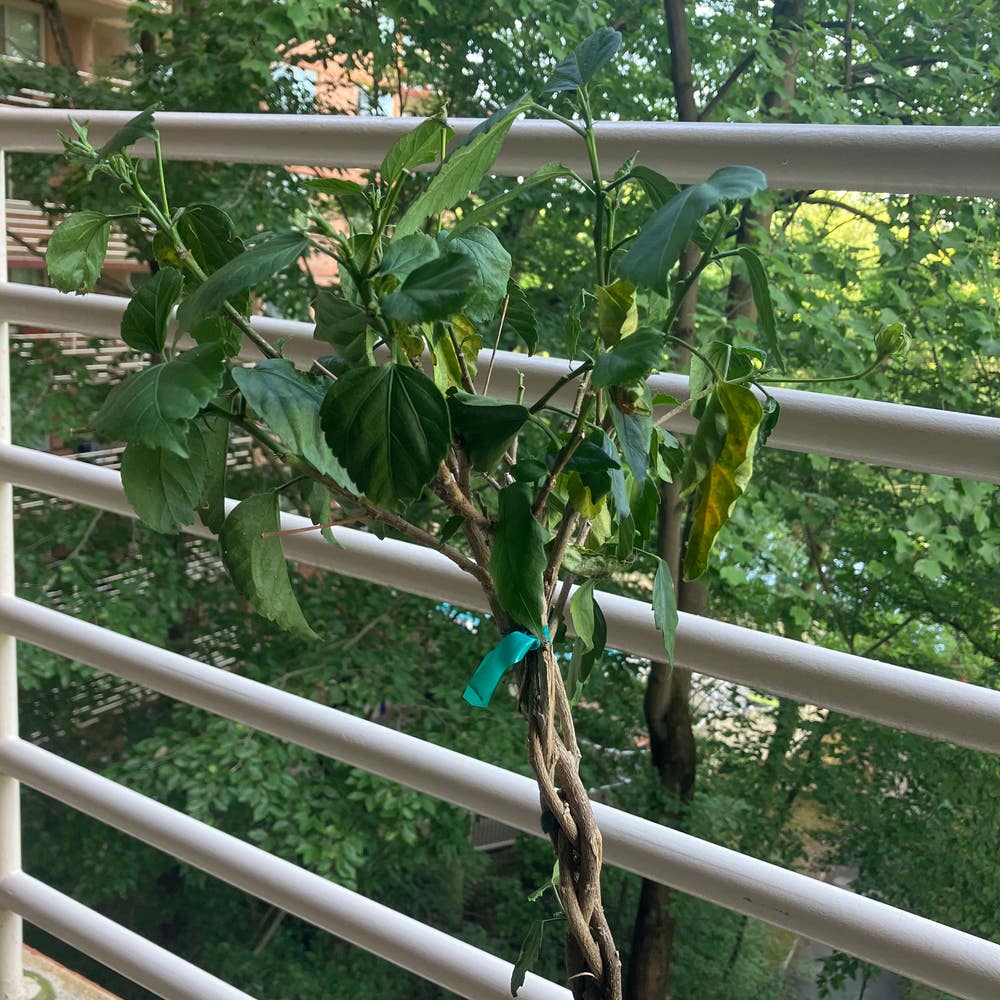
Why Are My Island Broom Leaves Falling Over?
Acmispon dendroideus
By the Greg Editorial Team
Jun 16, 2024•4 min read
This article was created with the help of AI so we can cover more plants for you. May contain errors. See one? Report it here.
- Over/underwatering causes droop, adjust watering for healthy leaves.
- Nutrient balance is key, use fertilizers and soil checks.
- Monitor environment closely, light and temperature affect leaf posture.
Spotting the Signs: When Your Island Broom is Unhappy
💧 Recognizing Overwatering Symptoms
Yellowing leaves might be the first clue your Island Broom is getting more water than it can handle. If the soil feels more like a swamp than a home for roots, it's time to ease up on the hydration.
🏜️ Signs of Underwatering Stress
When leaves go crispy, it's a cry for help. Underwatered Island Brooms will have dry, brittle foliage and soil that's as parched as a desert.
🍽️ Detecting Nutrient Deficiencies
A plant with a nutrient deficiency often sports lackluster, discolored leaves. If your Island Broom's greenery is looking as sad as a salad in a fast-food restaurant, it might be time for a nutrient boost.
🌞 Environmental Stress Signals
Droopy leaves can also signal a plea for environmental change. Too much heat turns leaves crispy, while too little light leaves them stretched and weak. A plant that's more lopsided than a poorly assembled bookshelf likely needs a rotation for even light exposure.
Getting to the Root: Common Causes for the Droop
💧 The Perils of Improper Watering
Overwatering is like giving your plant a bath when it just needs a sip. Roots drown, and leaves droop. Underwatering is no better; it's like sending your plant on a desert trek without a canteen. Check the soil before watering—dry an inch down means go for it.
🍃 The Role of Nutrients in Leaf Stability
Your plant's diet is crucial. Skimp on nutrients, and leaves start slacking. Think of fertilizer as a power smoothie for your plant. Regular feedings with a balanced mix will keep those leaves perky. And don't forget soil amendments; they're the multivitamins in your plant's life.
🌞 How Light and Temperature Affect Leaf Posture
Leaves need the right light like we need a good night's sleep. Too much, and they burn out. Too little, and they can't function. Aim for that sweet spot of bright, indirect light. Temperature swings are just as bad. Keep it stable—no plant likes to shiver or sweat.
First Aid for Your Island Broom
💧 Adjusting Your Watering Techniques
If your Island Broom's leaves are more limp than a forgotten celery stick, it's time for a watering intervention. First, let's ditch the soggy soil routine. Check the top inch of soil; if it's dry, water your plant. If not, hold off. It's about giving your plant a consistent sip, not a sporadic gulp.
🍽️ Nutrient Boost: Fertilizers and Soil Amendments
Next up, the nutrient game. Your Island Broom isn't a glutton—it prefers a balanced diet. Use a balanced, water-soluble fertilizer, but keep it light. Think of it as a sprinkle of seasoning, not a full-blown marinade. And always water before you fertilize to avoid the dreaded root burn.
🌞 Creating the Ideal Environment
Finally, let's set the stage for a thriving Island Broom. Ensure it's basking in full sun like it's on a beach holiday. If your tap water is a mineral minefield, switch to filtered or rainwater to prevent leaf browning. And remember, good drainage is non-negotiable—your plant's roots need to breathe, not swim. Keep the air moving around your plant to ward off any fungal gate-crashers.
Keeping Your Island Broom Upright: Long-Term Care Strategies
💧 Establishing a Tailored Watering Schedule
Your Island Broom isn't a camel; it can't store water for the long haul. Watering needs fluctuate with the seasons, so your schedule should too. In the winter, your plant's thirst decreases—cut back on the H2O. Come summer, it's time to ramp it up. Keep the soil's moisture consistent, not swinging from a desert to a marsh. Use your finger as a makeshift moisture meter; if the top inch is dry, it's time to water.
🌱 Ensuring Nutrient Balance Through Regular Soil Checks
Nutrients are the secret sauce for your plant's health. Too little, and your Island Broom starves; too much, and it's like force-feeding it junk food. Regular soil tests are non-negotiable to keep that nutrient balance in check. A balanced fertilizer is your plant's multivitamin—apply it with the regularity of a clockwork, but dial back if you spot signs of overfeeding, like salt buildup or leaf burn.
🌍 Monitoring and Adjusting Environmental Conditions
Think of your plant's environment as its personal bubble—too hot, too cold, too drafty, and it'll let you know with droopy leaves. Keep the temperature and light as stable as a rock. Sudden changes are a no-go. If you're the type to forget, set reminders for yourself. Keep a log of environmental conditions and your plant's response. It's not overkill; it's the blueprint to your plant's well-being. If you notice a change, don't just stand there—tweak your care routine like a plant ninja.
⚠️ Safety First
This content is for general information and may contain errors, omissions, or outdated details. It is not medical, veterinary advice, or an endorsement of therapeutic claims.
Always consult a qualified healthcare professional before using any plant as food, medicine, or supplement.
Never eat any plant (or feed one to pets) without confirming its identity with at least two trusted sources.
If you suspect poisoning, call Poison Control (800) 222-1222, the Pet Poison Helpline (800) 213-6680, or your local emergency service immediately.
Spotted an error? Please report it here.
Ensure your Island Broom's leaves stay perky and proud 🌿 by letting Greg tailor a watering schedule and track the perfect light and temperature, making plant care a breeze.