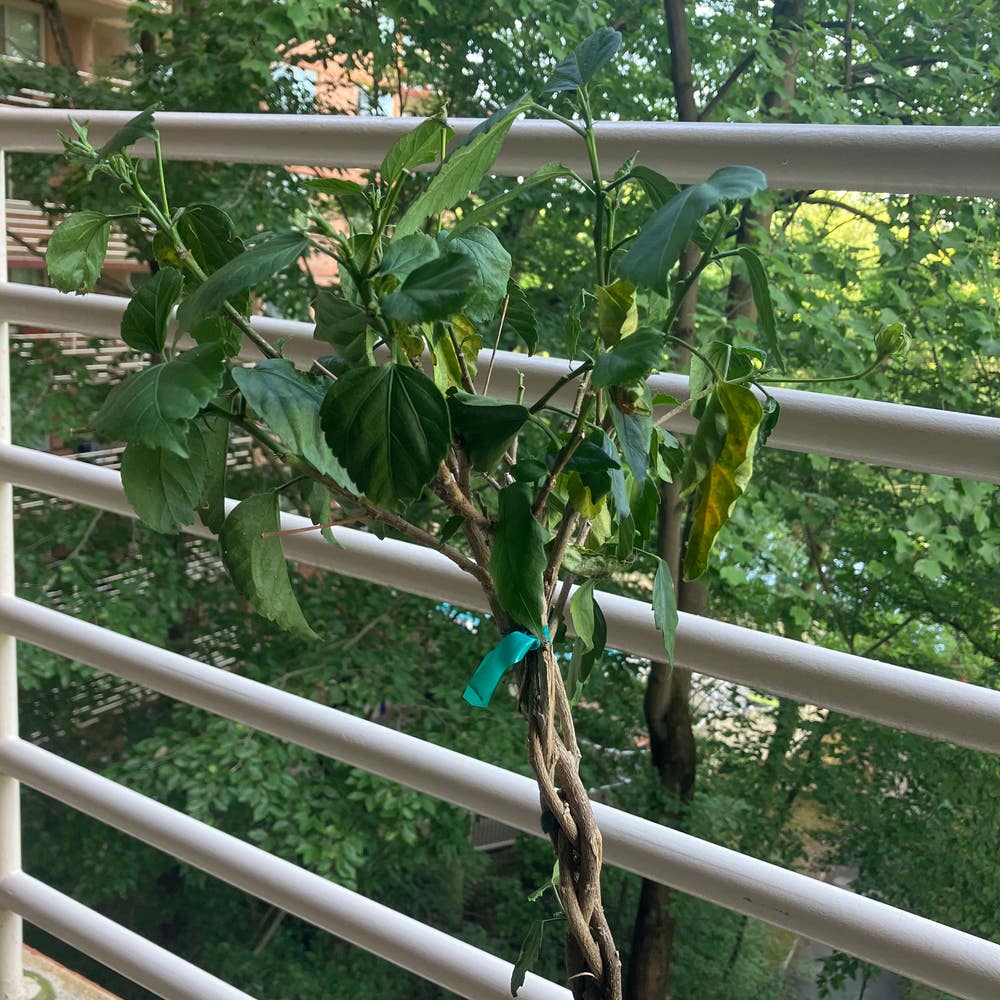
Why Are There Brown Spots on My Island Broom?
Acmispon dendroideus
By the Greg Editorial Team
Jun 16, 2024•4 min read
This article was created with the help of AI so we can cover more plants for you. May contain errors. See one? Report it here.
- Overwatering leads to brown spots; water only when soil is dry.
- Fungal infections and pests cause spots; ensure good air circulation.
- Balance sunlight, humidity, and airflow for a healthy Island Broom.
Spotting the Trouble: Recognizing Brown Spots on Island Broom
🕵️ What Do Brown Spots Look Like?
Uniformity is your first hint. Brown spots disrupt the leaf's natural color, often appearing as consistent shapes across the foliage. They can be tiny speckles or larger blotches, with some showing a yellowish halo or a dark ring—red flags for potential trouble.
🌍 Where to Look for Brown Spots
Location is key. Check the mature leaves and the young ones, as spots can show up on both. They might be center stage, tip-toeing at the edges, or scattered across the leaf surface. Turn the leaves over; sometimes, the underside is where the action is.
Unearthing the Culprits: Common Causes of Brown Spots
🌊 Too Much Love: Overwatering Woes
Overwatering can be a death sentence for Island Broom, transforming its roots into soggy prisoners and its leaves into a brown-speckled canvas. The signs are unmistakable: leaves that feel more like a wet paper towel than a vibrant plant, and soil that's perpetually damp.
🍄 Uninvited Guests: Fungal Infections
Fungal infections are the ninjas of plant problems, often going unnoticed until it's too late. Look for brown spots with halos or rings, a clear signal that fungi have thrown a party on your plant. High humidity and poor airflow are their favorite invites.
🐜 Tiny Troublemakers: Pests and Diseases
Pests are the vandals of the plant world, leaving a trail of brown spots as evidence of their presence. Diseases, on the other hand, are more like silent assassins, often going undetected until the damage is done. Inspect your Island Broom closely; these culprits are sneaky.
Turning Over a New Leaf: Remedies for Brown Spots
💧 Getting Water Right
Adjusting watering practices is crucial in combating brown spots on Island Broom. Overwatering can suffocate roots and invite unwelcome fungal guests. To prevent this, water only when the top two inches of soil are dry. Use a long-spout watering can to target the roots, avoiding the leaves to keep them dry. Remember, less is more during cooler months.
🍄 Fungus Among Us: Tackling Fungal Issues
For fungal foes, prune affected leaves to prevent spread. Promote good air circulation; it's like giving your plant room to breathe. In terms of treatment, start with a homemade spray of baking soda, liquid soap, and water. If the situation escalates, a copper-based fungicide might be your next move. Always follow label instructions—think of them as the plant care bible.
🐜 Keeping Pests and Diseases at Bay
To evict pests, start with a blast from the hose or physically remove them. For a stealthier approach, insecticidal soap or neem oil can be effective. Regular inspections are key—think of it as neighborhood watch for your plant. To prevent diseases, maintain a clean environment and consider quarantine for new plants. It's about creating a no-bug zone, where pests dare not tread.
Creating the Perfect Spot: Environmental Adjustments
🌞 Balancing Sunlight and Shade
Island Broom thrives in bright, indirect light. Direct sunlight can lead to leaf scorch, while insufficient light invites unwanted fungal guests. Indoors, position your plant where it can bask in gentle morning rays and avoid the harsh afternoon sun. Outdoors, seek a spot that offers dappled sunlight, perhaps under a canopy that filters the intensity.
Temperature stability is crucial for Island Broom. Avoid placing it near drafty windows or heat sources that could cause dramatic temperature fluctuations. Aim for a consistent climate, ideally between 65-75°F, to keep your plant comfortable and stress-free.
💦 Humidity Harmony
Island Broom prefers a humid environment, but balance is key. Aim for a humidity level around 40-60%. Too dry, and the leaves may crisp; too moist, and you risk fungal issues. Use a pebble tray or humidifier to maintain consistent humidity, especially during dry winter months or in arid climates.
Ensure adequate airflow to discourage pests and disease. A gentle breeze, like that from a ceiling fan or an open window, can help replicate the natural conditions Island Broom would enjoy in its native habitat. Remember, your plant's comfort zone mirrors your own—neither a desert nor a rainforest, but a well-regulated sanctuary.
⚠️ Safety First
This content is for general information and may contain errors, omissions, or outdated details. It is not medical, veterinary advice, or an endorsement of therapeutic claims.
Always consult a qualified healthcare professional before using any plant as food, medicine, or supplement.
Never eat any plant (or feed one to pets) without confirming its identity with at least two trusted sources.
If you suspect poisoning, call Poison Control (800) 222-1222, the Pet Poison Helpline (800) 213-6680, or your local emergency service immediately.
Spotted an error? Please report it here.
Prevent unsightly spots 🍃 on your Island Broom by letting Greg fine-tune your watering, airflow, and light conditions for a spotless plant paradise!