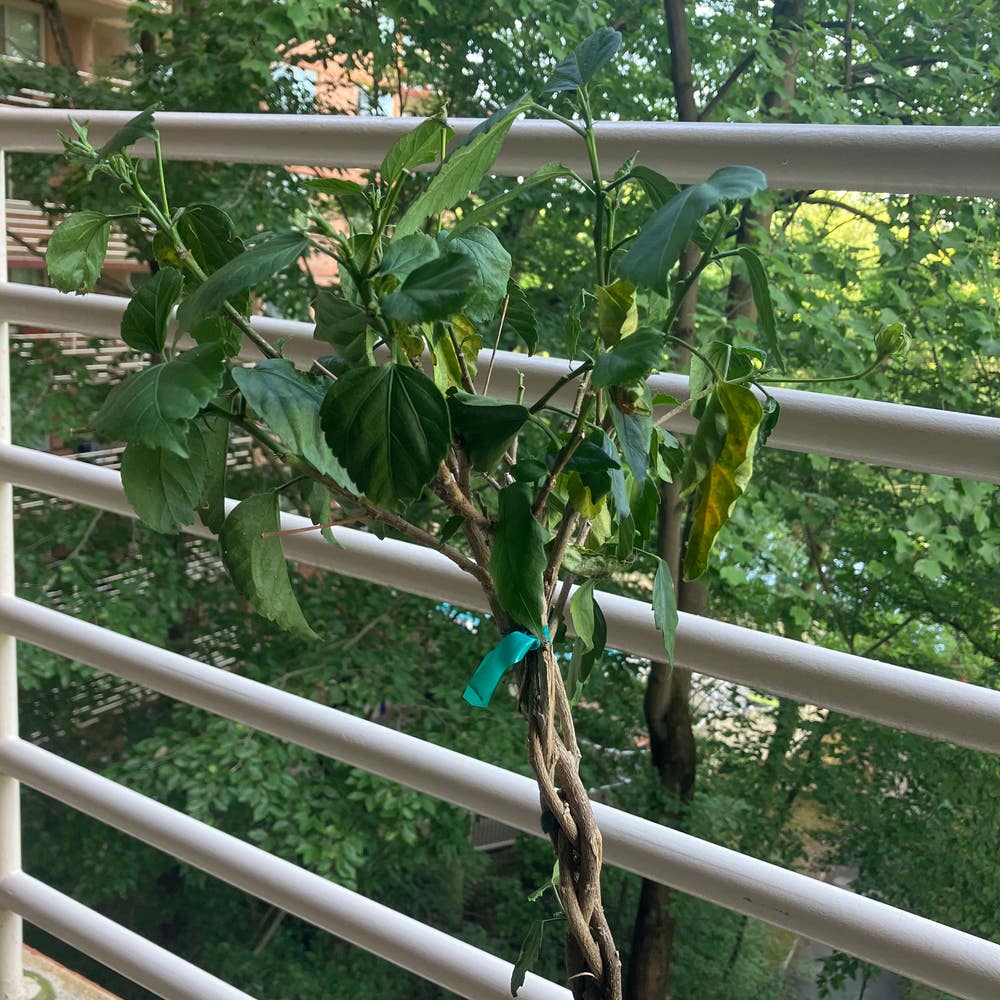
Does My Island Broom Need Direct Sunlight?
Acmispon dendroideus
By the Greg Editorial Team
Jun 16, 2024•3 min read
This article was created with the help of AI so we can cover more plants for you. May contain errors. See one? Report it here.
- 🌞 Full sun with afternoon shade is ideal for Island Broom plants.
- Window direction affects light intensity; adjust for seasonal changes.
- Use sheer curtains or grow lights to manage too much or too little sunlight.
Soaking Up the Rays: Island Broom and Sunlight Needs
🌞 Island Broom's Sunlight Preferences
Island Broom plants thrive in the spotlight of full sun. They're sun-seekers, needing those rays to flourish. But it's not just about basking all day; they also appreciate a balance. A little afternoon shade won't hurt, especially in hotter climates.
🏝 The Natural Habitat Clues
The Island Broom's origin story is a tale of sun-drenched landscapes. These plants are native to environments that soak up sun like a sponge. This tells us they're hardwired for brightness. Mimic their natural conditions, and you'll have a happy plant on your hands.
The Great Window Debate: Where to Place Your Island Broom
🧭 Direction Matters
Navigating the best window for your Island Broom is crucial. North, south, east, or west—each direction has its own implications for plant health.
🧊 North-Facing Windows
In the Northern Hemisphere, north-facing windows offer consistent, but gentle light. This could be ideal if your Island Broom prefers a softer touch.
☀️ South-Facing Windows
Conversely, south-facing windows provide intense sunlight all day, which might be too much for your plant to handle without some shading.
🌅 East-Facing Windows
East-facing windows strike a balance with mild morning sunlight, avoiding the harsher afternoon rays.
🌇 West-Facing Windows
West-facing windows may subject your Island Broom to strong afternoon sunlight. Consider sheer curtains to diffuse the intensity.
🌍 Hemisphere Hints
Your location on the globe significantly affects your Island Broom's "tan."
🌐 Southern Hemisphere
In the Southern Hemisphere, north-facing windows become sun havens, akin to south-facing ones in the North.
🌎 Northern Hemisphere
For those in the Northern Hemisphere, south-facing windows are the go-to for plants craving more light.
🌞 Adjusting with Seasons
Remember, as seasons change, so does the sunlight's angle. Be ready to reposition your Island Broom to maintain the perfect light balance.
When the Sun's Too Strong: Protecting Your Island Broom
🕶️ Signs of Sunburn
Crispy edges or bleached spots on your Island Broom's leaves are a clear SOS. It's saying, "Ease up on the sunbathing, will ya?" If you notice brown patches or a faded, washed-out green, that's your cue. Your plant's basically wearing sunglasses indoors—it's had enough.
🌞 Sunlight Management Strategies
Sheer curtains are your plant's best friend. They're like sunscreen for your foliage, letting in light without the harshness. No curtains? Blinds or frosted window films work too. If you're feeling crafty, a DIY shade cloth can add character while protecting your green buddy. Remember, it's all about balance—bright but not blinding. Keep your Island Broom out of the midday sun's spotlight, and it'll thank you by not turning into a crispy critter.
No Sun? No Problem! Caring for Island Broom in Low Light
🌿 Adapting to Less Light
Your Island Broom may not be a sun worshipper, and that's okay. Low light conditions can be managed with a few smart moves. First, maximize existing light by placing your plant near a window, but not one that invites the harsh midday glare. Reflective surfaces can also bounce a bit of brightness back onto your broom's leaves.
💡 Artificial Light: Can It Help?
Absolutely, grow lights are like a personal sun for your shade-tolerant buddy. They can fill in when your apartment feels more like a cave than a conservatory. But remember, we're not trying to blind the poor thing. Gentle grow lights can provide the right amount of lumens without overwhelming your plant. Keep an eye on your Island Broom for signs of distress, and adjust the light levels accordingly.
⚠️ Safety First
This content is for general information and may contain errors, omissions, or outdated details. It is not medical, veterinary advice, or an endorsement of therapeutic claims.
Always consult a qualified healthcare professional before using any plant as food, medicine, or supplement.
Never eat any plant (or feed one to pets) without confirming its identity with at least two trusted sources.
If you suspect poisoning, call Poison Control (800) 222-1222, the Pet Poison Helpline (800) 213-6680, or your local emergency service immediately.
Spotted an error? Please report it here.
With Greg, you can find the perfect spot 📍 for your Island Broom, ensuring it gets just the right amount of sunlight no matter the season.