🌼 When to Repot Evening Primrose
Oenothera pilosella
By the Greg Editorial Team
Nov 08, 2024•7 min read
This article was created with the help of AI so we can cover more plants for you. May contain errors. See one? Report it here.
Revitalize your Evening Primrose 🌱 with expert repotting tips for vibrant growth and stunning blooms!
- 🌱 Repot Evening Primrose when roots are visible and growth is stunted.
- 🌼 Best time to repot is early spring, just before new growth starts.
- 🧑🌾 Repot every 1-2 years for optimal health and growth.
Signs That Evening Primrose Needs Repotting
🌱 Indicators of Root Bound Evening Primrose
Recognizing when your Evening Primrose needs repotting is crucial for its health. One clear sign is when roots become visible through the drainage holes, indicating the plant has outgrown its pot.
Another indicator is stunted growth. If your plant shows little new growth or wilts despite proper care, it may be time for a larger home. Additionally, if you find that the soil dries out quickly, this could signal limited soil volume, requiring more frequent watering.
Yellowing leaves are another red flag. This often suggests stress due to restricted root space, signaling that your plant is ready for a new pot.
⏰ Ideal Timing for Repotting Evening Primrose
Timing is everything when it comes to repotting. The best time to repot your Evening Primrose is early spring, just before new growth begins.
Generally, you should consider repotting every 1-2 years, depending on the growth rate and pot size. Also, avoid repotting during blooming periods to minimize stress on the plant.
🔍 Assessing Root Health Before Repotting
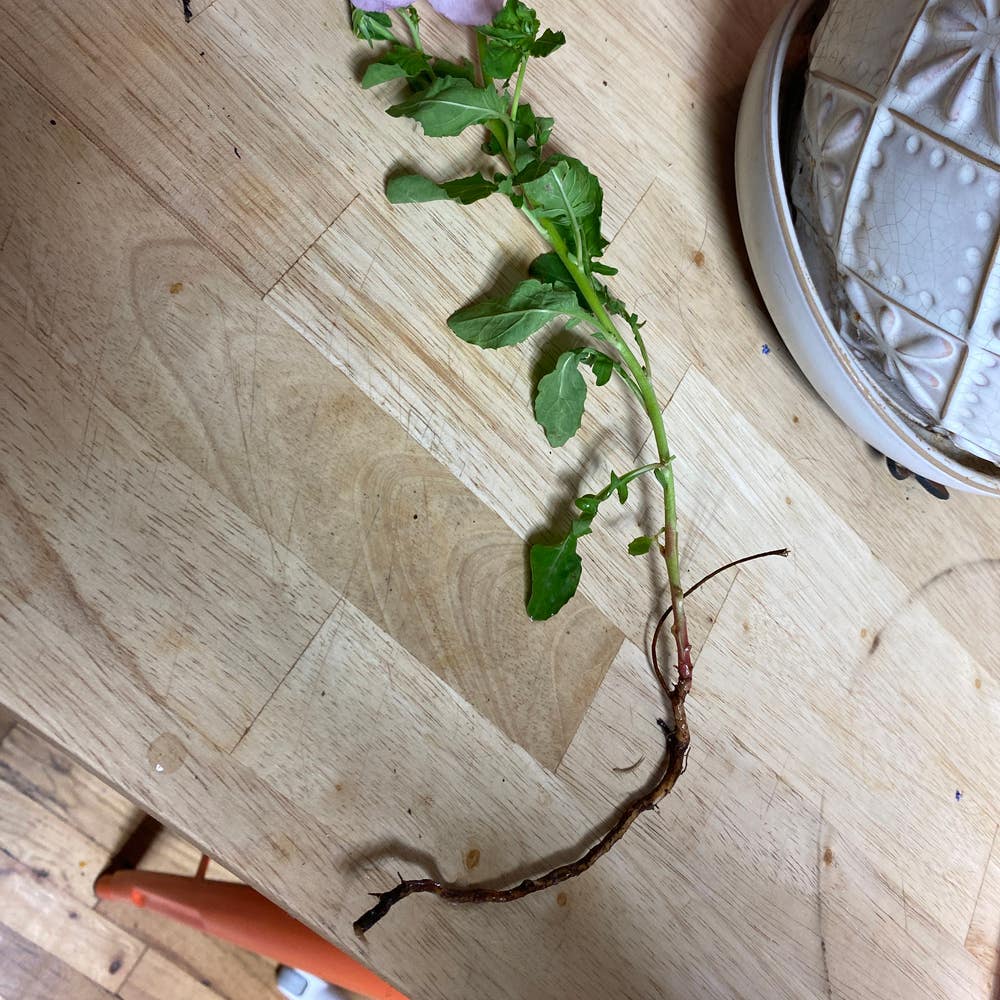
Before you repot, it's essential to assess the health of the roots. Gently remove the plant from its pot and inspect the root system for any issues.
Healthy roots should be white and firm, showing no signs of rot or disease. In contrast, dark, mushy roots indicate overwatering or root rot, which need to be addressed before repotting.
By keeping an eye on these signs, you can ensure your Evening Primrose remains healthy and vibrant, setting the stage for successful repotting. Next, we’ll explore the best techniques for repotting your plant effectively.
Repotting Techniques for Evening Primrose
Step-by-Step Guide to Repotting Evening Primrose
Repotting your Evening Primrose can seem daunting, but with the right approach, it’s a straightforward process. Here’s a step-by-step guide to help you through it.
Prepare the new pot: Start by ensuring your new pot has adequate drainage holes. This is crucial for preventing water accumulation.
Select the right soil mix: Choose a well-draining potting mix that suits Evening Primrose. A mix that retains some moisture while allowing excess water to escape is ideal.
Remove the plant: Gently loosen the soil around the roots using your fingers or a tool. Carefully lift the plant from its old pot, taking care not to damage the roots.
Inspect and prune roots: Once removed, check the roots for any damage. Trim any dark, mushy, or excessively long roots to encourage healthy growth.
Position the plant: Place the plant in the new pot, ensuring the top of the root ball is level with the pot rim. This helps maintain stability and promotes proper growth.
Fill with soil: Add fresh soil around the roots, pressing lightly to eliminate air pockets. This ensures good contact between the roots and the soil.
Water thoroughly: After filling, water the plant generously. The soil should be moist but not waterlogged, setting the stage for recovery.
🌱 Handling Roots During Repotting
When it comes to handling roots, gentleness is key. Use your fingers or a clean tool to carefully untangle any intertwined roots.
Minimizing disturbance is crucial. Excessive handling can stress the plant, so aim to keep the process smooth and efficient.
💧 Best Practices for Watering After Repotting
Watering is a critical aspect of post-repotting care. Immediately after repotting, give your plant a good drink to help settle the soil around the roots.
Moving forward, monitor the soil moisture closely. Water when the top inch feels dry, but be cautious not to overwater. Good drainage is essential to prevent root rot, so always ensure your pot allows excess water to escape.
With these techniques in mind, your Evening Primrose will thrive in its new home. Next, let’s explore the best practices for post-repotting care to ensure your plant continues to flourish.
Pot Material Options for Evening Primrose
Choosing the right pot material for your Evening Primrose is crucial for its health and growth. Each type of pot comes with its own set of advantages and disadvantages.
🥇 Pros and Cons of Each Material for Evening Primrose
Plastic Pots
Plastic pots are a popular choice due to their lightweight nature and affordability. They retain moisture well, but if drainage is inadequate, they can lead to root rot.
Clay Pots
Clay pots are breathable, allowing for better air circulation around the roots. However, they are heavier and can dry out quickly, requiring more frequent watering.
Ceramic Pots
Ceramic pots offer aesthetic appeal and good insulation for roots. On the downside, they tend to be heavy and may retain too much moisture, which can be detrimental.
Biodegradable Pots
Biodegradable pots are eco-friendly and great for seedlings. However, they may not provide adequate support for larger Evening Primrose plants as they mature.
📏 Recommended Pot Sizes and Shapes for Optimal Growth
When repotting, choose a pot that is 1-2 inches larger in diameter than the previous one. This extra space allows for healthy root expansion.
🔺 Shape Considerations
Opt for deeper pots if your Evening Primrose has a taproot system. This shape supports better root growth and stability, ensuring your plant thrives.
Selecting the right pot material and size can significantly impact the growth and health of your Evening Primrose. With the right choices, you can set your plant up for success as it continues to flourish.
Next, let’s explore the soil requirements that will further enhance your plant's growth during repotting.
Soil Requirements for Evening Primrose Repotting
🌱 Best Soil Mixes for Evening Primrose Repotting
To ensure your Evening Primrose thrives, use a soil mix that balances nutrients and drainage. A recommended blend is 50% potting soil, 30% perlite, and 20% compost. This combination provides the necessary aeration and nutrients for robust growth.
Well-draining soil is crucial. It prevents root rot, allowing your plant to flourish without the stress of excess moisture.
💧 Importance of Drainage and Aeration in Soil
Drainage plays a vital role in plant health. It stops water from accumulating at the roots, which can lead to rot and other issues.
Aeration is equally important. It encourages healthy root development and prevents soil compaction, allowing roots to breathe and grow freely.
🛠️ How to Amend Soil for Repotting
Amending your soil can significantly enhance its performance. Adding perlite or sand improves drainage and aeration, ensuring your Evening Primrose gets the best environment possible.
Incorporating organic matter, like compost, boosts nutrient content and improves soil structure. This creates a rich habitat for your plant to thrive in.
With the right soil mix and amendments, your Evening Primrose will be well-equipped for healthy growth. Next, let’s explore how to care for your plant after repotting to ensure it continues to flourish.
Post-Repotting Care for Evening Primrose
🌱 How to Care for Evening Primrose After Repotting
After repotting your Evening Primrose, it's crucial to provide the right environment for recovery. Start by placing the plant in a spot with indirect sunlight for a few days; this helps reduce stress and allows it to acclimate.
Next, keep a close eye on moisture levels. Adjust your watering routine based on how quickly the new pot drains, ensuring the soil remains moist but not soggy.
🚨 Signs of Stress After Repotting and How to Address Them
Even with the best care, your Evening Primrose may show signs of stress after repotting. Look out for common indicators such as wilting, yellowing leaves, or slowed growth.
If you notice these symptoms, it’s time to take action. Adjust your watering practices and ensure the plant receives adequate light to help it bounce back.
⏳ Timing for Fertilizing After Repotting
When it comes to fertilizing, patience is key. Wait about 4-6 weeks after repotting before introducing any fertilizer to allow the plant to settle in.
Once you're ready to fertilize, opt for a balanced, slow-release fertilizer. This will provide the necessary nutrients to support your Evening Primrose's recovery and promote healthy growth.
By following these post-repotting care tips, you can help your Evening Primrose thrive in its new home. Next, let's explore the best pot material options to ensure your plant continues to flourish.
⚠️ Safety First
This content is for general information and may contain errors, omissions, or outdated details. It is not medical, veterinary advice, or an endorsement of therapeutic claims.
Always consult a qualified healthcare professional before using any plant as food, medicine, or supplement.
Never eat any plant (or feed one to pets) without confirming its identity with at least two trusted sources.
If you suspect poisoning, call Poison Control (800) 222-1222, the Pet Poison Helpline (800) 213-6680, or your local emergency service immediately.
Spotted an error? Please report it here.
Repot your Evening Primrose for thriving blooms 🌼 with Greg's tailored reminders and expert care tips that ensure your plant flourishes in its new pot!