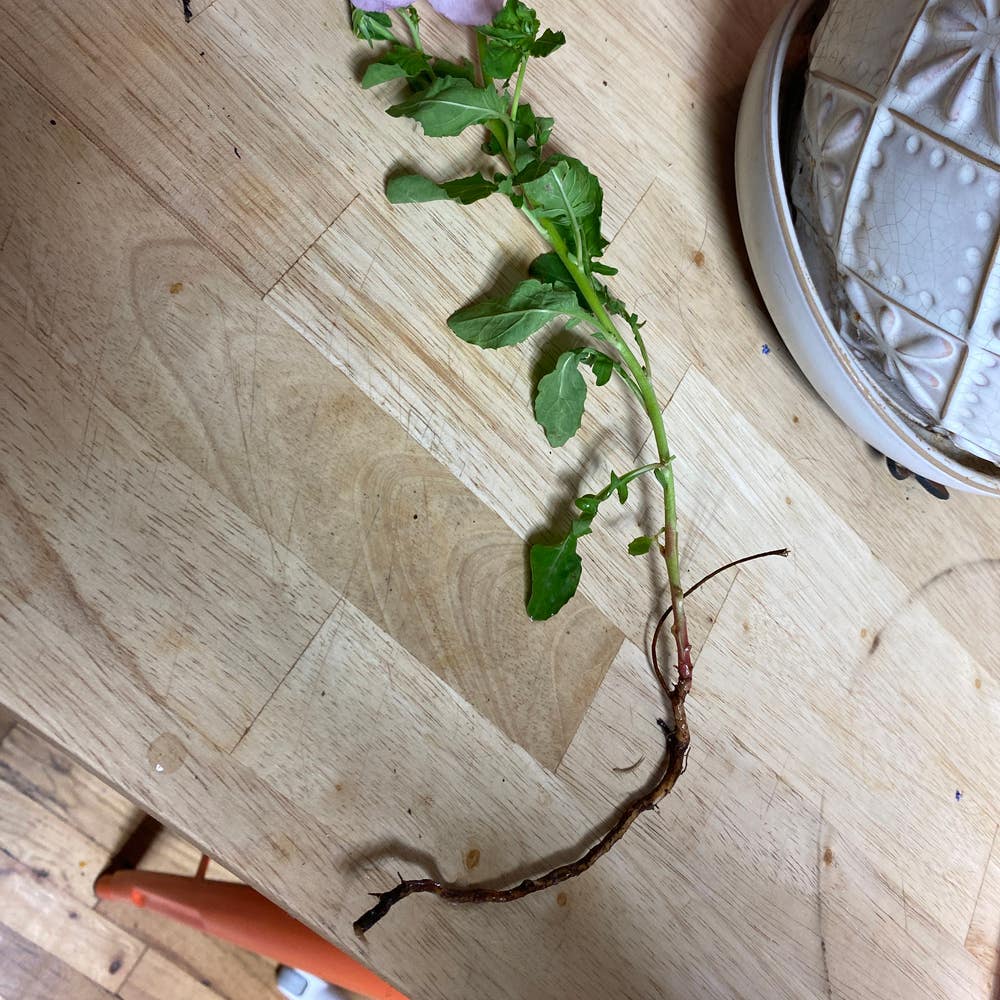
🌼 3 Key Phases of Evening Primrose Development
Oenothera pilosella
By the Greg Editorial Team
Oct 04, 2024•5 min read
This article was created with the help of AI so we can cover more plants for you. May contain errors. See one? Report it here.
Cultivate vibrant evening primrose 🌼 by mastering its growth stages and essential care tips for success!
- 🌱 Evening primrose germinates in 7-14 days with optimal soil temperature and moisture.
- 🌞 Full sun and well-draining soil are essential for healthy vegetative growth.
- 🌼 Flowering begins in the second year, attracting nocturnal pollinators with evening blooms.
Germination Stage
🌱 Duration of Germination
Germination is a crucial phase for evening primrose, typically taking 7 to 14 days. The speed of this process can be influenced by factors like soil temperature and moisture levels.
🌡️ Conditions for Successful Germination
To ensure successful germination, aim for an optimal soil temperature between 65°F to 75°F (18°C to 24°C). A well-draining, sandy loam soil type is preferred, as it allows for proper moisture retention without waterlogging.
Light exposure can also play a significant role in enhancing germination rates. Providing adequate light conditions can help kickstart the growth process, making it easier for those tiny seeds to break through the soil.
Understanding these conditions can set you up for success in cultivating evening primrose. With the right environment, you'll be well on your way to nurturing healthy plants that thrive in your garden.
Next, we will explore the Seedling Stage, where the initial growth of the evening primrose begins to take shape.
Seedling Stage
🌱 Characteristics of Seedlings
As evening primrose seeds germinate, they produce small, lanceolate leaves that are a delight to observe. These leaves typically range from 1 to 3 inches long and grow in an upright, rosette formation, setting the stage for the plant's future development.
⏳ Duration of the Seedling Stage
The seedling stage lasts approximately 4 to 6 weeks, a crucial period for establishing the plant. You'll notice indicators of transition, such as the development of true leaves and an increase in height, signaling that your evening primrose is ready to move on to the next phase of growth.
This stage is vital for the overall health of the plant, as it lays the groundwork for robust vegetative growth. Understanding these early characteristics can help you nurture your evening primrose effectively, ensuring a thriving garden.
Next, we will explore the vegetative growth stage, where the plant really starts to take off!
Vegetative Growth Stage
🌱 Description of Vegetative Growth
During the vegetative growth stage, evening primrose experiences a rapid increase in both height and leaf size. The leaves become larger and more pronounced, showcasing their characteristic lanceolate shape.
This stage is where the plant can really stretch its legs, reaching heights of 2 to 4 feet tall. It's an exciting time as the plant establishes itself and prepares for the next phases of its life cycle.
⏳ Duration and Conditions for Optimal Growth
The vegetative growth stage typically lasts between 6 to 12 months. To thrive, evening primrose requires full sun exposure, regular watering, and nutrient-rich soil.
Once established, the plant shows remarkable resilience, adapting to varying moisture levels and even tolerating drought conditions. This adaptability is key to its survival and success in diverse environments.
As evening primrose transitions through this stage, it sets the foundation for the flowering phase ahead. Understanding these growth dynamics can help gardeners provide the best care for their plants.
Flowering and Seed Production
Timing of Flowering 🌸
Flowering for evening primrose typically kicks off in the second year of growth. The peak flowering period occurs from late spring to early summer, making it a vibrant addition to any garden during these months.
Characteristics of Flowers 🌼
These plants produce large, yellow flowers that bloom in the evening, creating a stunning sight as dusk falls. They are particularly attractive to moths and other nocturnal pollinators, which play a crucial role in their reproduction.
Each flower has a short lifespan, lasting only one night, but the plant compensates by continuously producing blooms over several weeks. This cycle ensures a steady display of color and attracts a variety of pollinators.
Process of Seed Production 🌱
Pollination primarily occurs through nocturnal visitors, which are drawn to the fragrant flowers. After flowering, seed pods develop, each containing multiple seeds ready to continue the cycle of life.
Duration and Conditions for Seed Maturation ⏳
The seed production stage lasts about 4-6 weeks post-flowering. For optimal seed ripening, warm temperatures and dry conditions are essential.
Interestingly, seeds can remain dormant for several years before germinating, allowing them to survive in less-than-ideal conditions until the right moment arrives. This resilience is a testament to the plant's adaptability and survival strategy.
As we transition from flowering to the next phase, it's essential to appreciate how these vibrant blooms contribute to the overall life cycle of evening primrose. Their role in pollination and seed production sets the stage for the next generation of plants.
Growth Rate and Notable Changes
How Long Until Fully Grown? 🌱
The journey from seed to flowering evening primrose takes about two years. This timeline can vary based on factors like soil quality, water availability, and light exposure.
Average Time from Seed to Maturity ⏳
Typically, you can expect full development within 18 to 24 months. However, environmental conditions can influence this timeframe significantly.
Physical Changes During Each Growth Stage 🌿
During germination, you'll see the first small leaves emerge. As the plant transitions to the seedling stage, true leaves develop, and height increases noticeably.
In the vegetative growth stage, the plant experiences significant leaf growth and height expansion. Finally, during flowering, it shifts from vegetative structures to reproductive ones.
Changes in Plant Behavior or Needs as it Matures 🌼
As evening primrose matures, its watering needs decrease, thanks to deeper root establishment. Nutrient requirements also shift, moving from nitrogen-rich fertilizers to a more balanced nutrient approach during flowering.
Environmental Adaptations During Different Stages 🌍
Germination requires moist conditions to kickstart growth. Seedlings need protection from extreme temperatures, while mature plants adapt to varying moisture levels and can tolerate drought conditions.
This adaptability is key to their survival, making evening primrose a resilient choice for gardeners. Next, let’s explore the flowering and seed production phase, where the plant truly comes into its own.
⚠️ Safety First
This content is for general information and may contain errors, omissions, or outdated details. It is not medical, veterinary advice, or an endorsement of therapeutic claims.
Always consult a qualified healthcare professional before using any plant as food, medicine, or supplement.
Never eat any plant (or feed one to pets) without confirming its identity with at least two trusted sources.
If you suspect poisoning, call Poison Control (800) 222-1222, the Pet Poison Helpline (800) 213-6680, or your local emergency service immediately.
Spotted an error? Please report it here.
Cultivating evening primrose through its key growth phases 🌱 is easier with Greg's tailored watering plans and reminders, ensuring your plants flourish and bloom beautifully!