🌞 Best Pot for Evening Primrose
Oenothera pilosella
By the Greg Editorial Team
Nov 08, 2024•4 min read
This article was created with the help of AI so we can cover more plants for you. May contain errors. See one? Report it here.
Master pot selection for your Evening Primrose 🌼 and watch it thrive at every growth stage!
- 🌱 Choose pot sizes wisely: 4-6 inches for seedlings, 12-16 inches for mature plants.
- 💧 Ensure proper drainage with 3-5 holes to prevent root rot and yellowing leaves.
- 🔄 Repot every 1-2 years or when roots outgrow the pot for optimal growth.
Choosing the Right Pot
🌱 Pot Size for Different Growth Stages
Choosing the right pot size is crucial for the healthy growth of Evening Primrose.
Seedling Stage
For seedlings, a container size of 4-6 inches in diameter is recommended. This size allows for initial root development and helps retain moisture.
Young Plant Stage
As your plant matures, transition to an 8-10 inch pot. This size provides adequate space for growth and prevents root crowding.
Mature Plant Stage
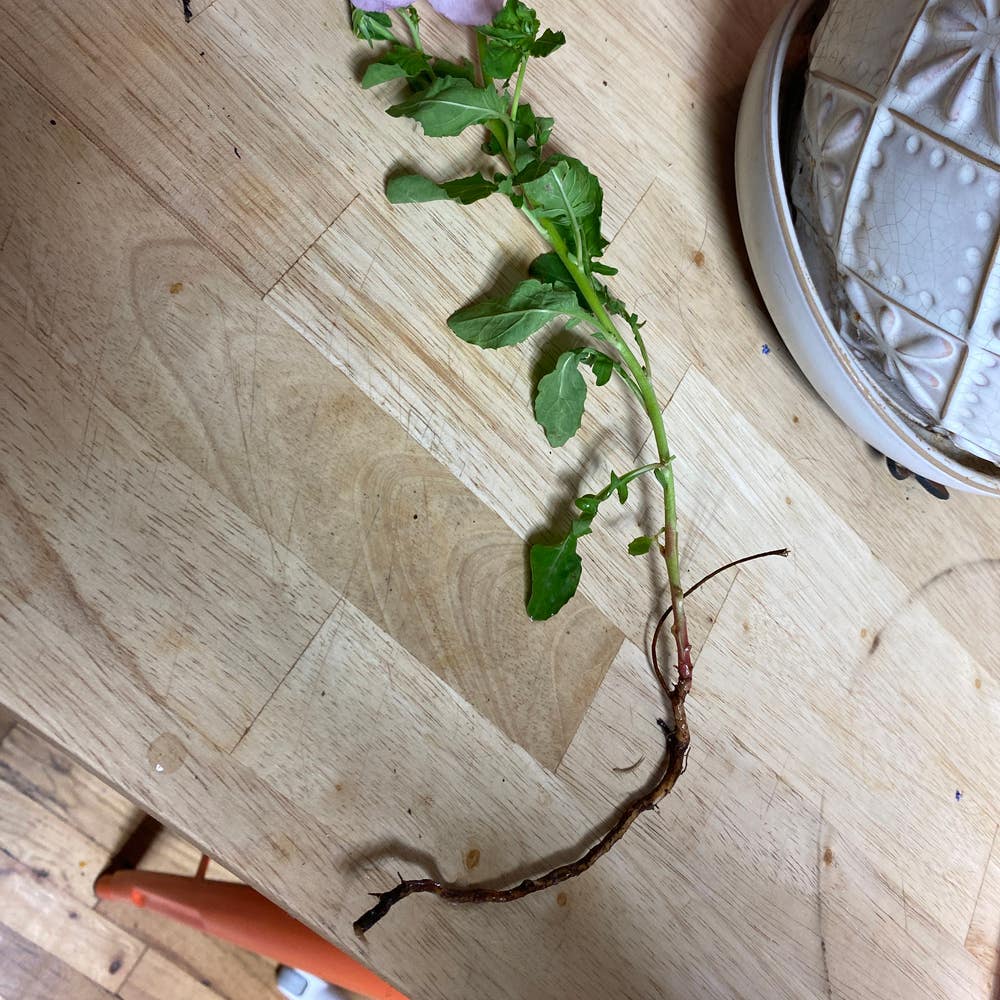
When your Evening Primrose reaches maturity, opt for a 12-16 inch pot. This accommodates the taproot system and supports the plant's height, which can reach up to 4 feet.
General Guideline
A good rule of thumb is to increase the pot size by 2 inches in diameter as the plant grows.
🪴 Ideal Pot Materials
The material of your pot can significantly impact your plant's health.
Clay Pots
Clay pots are a popular choice due to their breathable nature. They promote air circulation to the roots and have natural moisture retention properties.
However, they are heavier and can crack in extreme temperatures. Clay pots are best suited for outdoor container gardening.
Plastic Pots
Plastic pots are lightweight and easy to move, making them a versatile option. They come in various sizes and colors, allowing for creative expression.
On the downside, they are less breathable than clay, which can lead to overwatering. Plastic pots are ideal for indoor gardening or temporary setups.
🚰 Drainage Considerations
Proper drainage is essential for the health of your Evening Primrose.
Importance of Drainage Holes
Drainage holes prevent water accumulation at the bottom of the pot. This helps maintain optimal moisture levels for your plant.
Aim for at least 3-5 drainage holes for effective water management.
Effects of Poor Drainage
Poor drainage can lead to several issues. Symptoms of overwatering include yellowing leaves and wilting, even when you’re watering adequately.
Long-term consequences can be severe, leading to root rot and eventual plant death if drainage is inadequate.
Recommended Drainage Solutions
To enhance drainage, consider these solutions:
- Add a layer of gravel or small stones at the bottom of the pot.
- Use potting soil with good drainage properties, such as a mix of peat, perlite, and compost.
- Choose pots with built-in drainage systems or self-watering features.
🌿 Repotting Evening Primrose
Repotting is an essential part of maintaining healthy Evening Primrose plants.
When to Repot
Generally, repot every 1-2 years or when the plant outgrows its current pot. Early spring is the best time to repot, just before the growing season begins.
Signs That Indicate the Need for Repotting
Watch for these signs that your plant needs repotting:
- Roots growing out of drainage holes.
- Stunted growth or yellowing leaves despite proper care.
- Soil drying out too quickly after watering.
Step-by-Step Guide to Repotting
- Choose a new pot that is 2 inches larger in diameter than the current pot.
- Prepare fresh potting soil suitable for Evening Primrose.
- Gently remove the plant from its current pot, taking care not to damage the roots.
- Loosen any tightly bound roots and trim any damaged ones.
- Place the plant in the new pot, ensuring it is centered and at the same soil level as before.
- Fill in around the roots with fresh potting soil, pressing lightly to eliminate air pockets.
- Water thoroughly and allow excess water to drain.
❌ Common Potting Mistakes
Avoiding common potting mistakes can save you time and frustration.
Misconceptions About Pot Size and Material
One common belief is that larger pots always lead to better growth. In reality, overly large pots can retain too much moisture, leading to root rot.
Another misconception is underestimating the importance of pot material. The material affects moisture retention and air circulation, both vital for plant health.
Consequences of Inadequate Drainage
Inadequate drainage increases the risk of fungal diseases and root rot. This can lead to poor overall plant health and reduced flowering potential.
Tips to Avoid Common Potting Errors
To ensure success, always choose pots with drainage holes, regardless of size or material.
Monitor your plant's growth and adjust pot size as needed. Educate yourself on the specific needs of Evening Primrose to make informed potting decisions.
With the right pot and care, your Evening Primrose will thrive, bringing beauty to your garden or home.
⚠️ Safety First
This content is for general information and may contain errors, omissions, or outdated details. It is not medical, veterinary advice, or an endorsement of therapeutic claims.
Always consult a qualified healthcare professional before using any plant as food, medicine, or supplement.
Never eat any plant (or feed one to pets) without confirming its identity with at least two trusted sources.
If you suspect poisoning, call Poison Control (800) 222-1222, the Pet Poison Helpline (800) 213-6680, or your local emergency service immediately.
Spotted an error? Please report it here.
Get your Evening Primrose thriving in the perfect pot size 🌱 with Greg's tailored reminders and tips for optimal growth and health!