💡 Signs Your Evening Primrose Has Root Rot and How to Fix It
Oenothera pilosella
By the Greg Editorial Team
Oct 04, 2024•6 min read
This article was created with the help of AI so we can cover more plants for you. May contain errors. See one? Report it here.
Rescue your evening primrose from root rot with these vital signs and recovery strategies! 🌱
- 🌱 Yellowing leaves and wilting indicate root rot; check roots for damage.
- 🚫 Foul odors and muddy soil signal poor drainage, increasing root rot risk.
- 🔧 Trim affected roots and repot in well-draining soil to treat root rot effectively.
Signs and Symptoms of Root Rot
👀 Visual Indicators
Yellowing leaves are often the first sign of distress in your evening primrose. This change usually indicates that the roots are struggling to function properly.
Wilting can occur even when you've watered adequately. This is a clear signal that root function has failed, and your plant needs immediate attention.
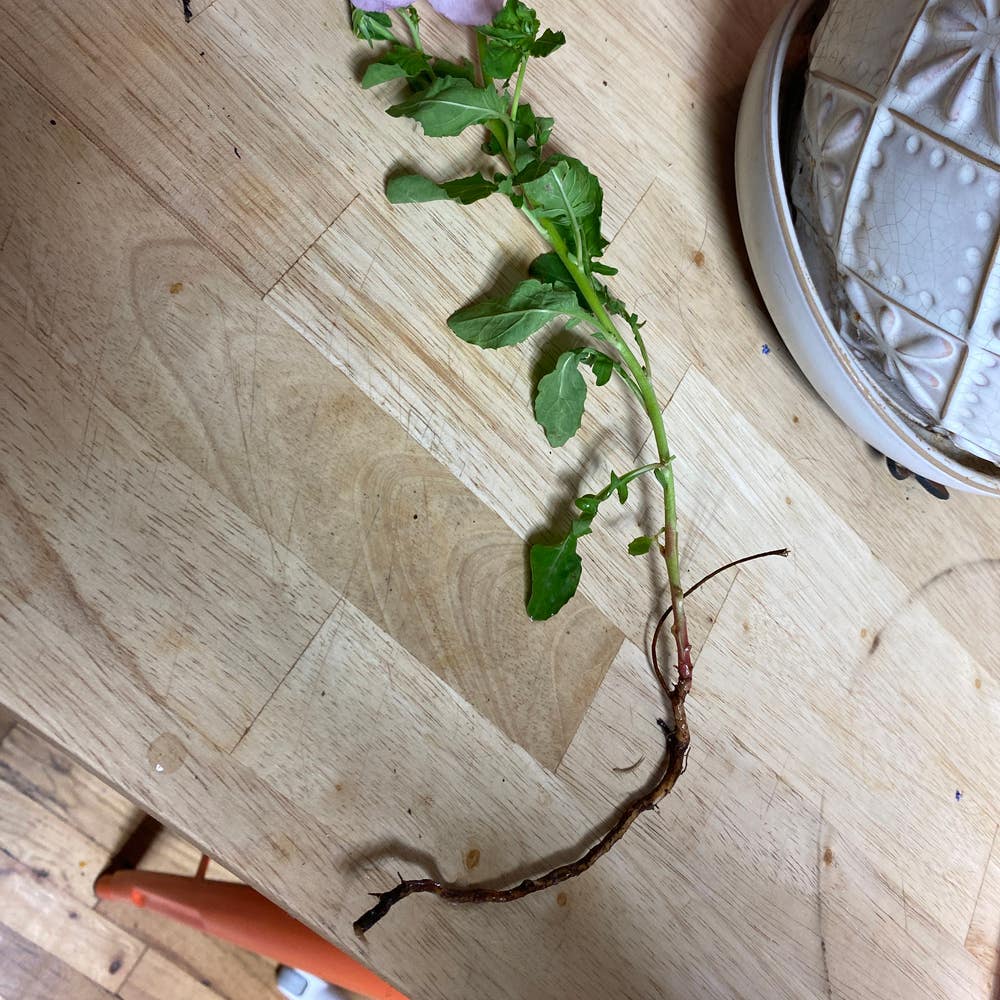
Dark, mushy roots are a telltale sign of root rot. Healthy roots should be firm and white, so any deviation from this is a cause for concern.
🧠 Behavioral Changes
Stunted growth is another symptom to watch for. If your evening primrose lacks vigor and shows slow development, it may be suffering from root issues.
Premature flowering can also indicate stress. If your plant blooms earlier than expected, it might be reacting to the distress caused by root rot.
Leaf drop is a common response as the plant struggles to cope. Shedding leaves is a sign that your evening primrose is in trouble and needs care.
🕵️♂️ Soil Condition Signs
A foul odor coming from the soil is a major red flag. If you detect a smell of decay, it's time to investigate further.
Check the soil texture as well. If it feels muddy or overly wet, this could indicate poor drainage and potential root rot.
Finally, look for the presence of mold on the soil surface. Fungal growth is a clear sign that your evening primrose may be facing root rot challenges.
Understanding these signs and symptoms is crucial for early intervention. By recognizing these indicators, you can take action to save your evening primrose before it's too late.
Diagnosing Root Rot
How to Check Roots for Rot 🕵️♂️
Diagnosing root rot starts with a careful examination of the plant's roots.
- Gently remove the plant from its pot.
- Inspect the root system: Look for dark, mushy areas.
- Healthy roots should be white and firm.
Tools Needed for Diagnosis 🛠️
Having the right tools can make the diagnosis easier and more effective.
- Clean pruning shears: Essential for trimming affected roots.
- Gloves: Protect your hands from pathogens.
- Magnifying glass: Helps inspect roots closely for fungal growth.
Differentiating Root Rot from Other Issues 🔍
It's crucial to distinguish root rot from other plant problems.
- Compare symptoms with issues like nutrient deficiencies, pests, or environmental stress.
- Conduct a soil moisture test to determine if overwatering is the culprit.
By following these steps, you can effectively diagnose root rot and take the necessary actions to save your evening primrose. Next, we’ll explore how to fix root rot and restore your plant to health.
Fixing Root Rot
Step-by-step treatment process 🛠️
To tackle root rot, start by carefully removing the plant from its pot. Inspect the roots thoroughly for any dark, mushy areas that indicate rot.
Next, trim away all affected roots using clean pruning shears. This step is crucial to prevent the spread of decay.
Finally, disinfect your tools to eliminate any lingering pathogens. A simple wipe with rubbing alcohol will do the trick.
Repotting techniques 🌱
Once you've dealt with the roots, it's time to repot your plant. Choose a clean pot that has adequate drainage holes to ensure excess water can escape.
Use a fresh, well-draining soil mix, such as cactus mix or a blend of potting soil and perlite. This will provide the right environment for your plant to thrive.
When replanting, make sure to spread the roots out evenly. Avoid crowding them, as this can lead to future issues.
Recommended soil types and amendments 🏺
For optimal growth, select well-draining sandy loam or a quality potting mix. These soil types promote healthy root development.
Consider adding amendments like perlite or coarse sand to enhance drainage. This will help prevent moisture retention, reducing the risk of root rot in the future.
By following these steps, you can effectively address root rot and set your evening primrose on the path to recovery. Next, let’s explore how to prevent root rot from occurring in the first place.
Preventing Root Rot
💧 Best watering practices
To keep your evening primrose thriving, water only when the top inch of soil feels dry. A moisture meter can help you get accurate readings, ensuring you don’t overdo it.
Water deeply but infrequently to encourage robust root growth. This method helps roots reach deeper into the soil, making them more resilient.
🕳️ Importance of soil drainage
Proper drainage is crucial for preventing root rot. Always ensure your pots have adequate drainage holes to allow excess water to escape.
Avoid using compacted soils that retain moisture. If you're planting in a garden, consider raised beds or mounds to enhance drainage and airflow.
🌦️ Seasonal care tips
Keep an eye on rainfall and adjust your watering schedule during wet seasons. Too much moisture can lead to root rot, so be proactive.
Mulching can help regulate soil moisture levels, preventing both drying out and oversaturation. Additionally, rotating planting locations can minimize the risk of soil-borne pathogens.
By implementing these preventive measures, you can significantly reduce the risk of root rot and keep your evening primrose healthy and vibrant. Next, let’s explore how to diagnose root rot effectively.
Aftercare and Monitoring
Signs of Recovery 🌱
After addressing root rot, keep an eye out for signs of recovery. New growth, such as healthy leaves and stems, is a positive indicator that your evening primrose is bouncing back.
Improved color is another good sign; vibrant green leaves suggest that the plant is regaining its health. Additionally, check the roots; they should feel firm and resilient, indicating a return to normal function.
Ongoing Care to Prevent Recurrence 💧
To ensure your plant stays healthy, regularly check soil moisture levels. This simple practice can help you avoid overwatering, which is a common cause of root rot.
Maintaining a proper watering schedule is crucial. Water deeply but infrequently to encourage robust root growth. Fertilizing with balanced nutrients will also support recovery and promote overall plant vigor.
When to Seek Professional Help 🩺
If you notice persistent symptoms despite your best efforts, it may be time to consult a professional. Severe root damage might require expert intervention to save your plant.
Don’t hesitate to seek help if you're uncertain about the diagnosis or treatment methods. Getting a second opinion can provide peace of mind and ensure your evening primrose thrives.
By staying vigilant and proactive, you can enjoy a flourishing evening primrose and prevent future issues. Now, let’s explore how to prevent root rot in the first place.
⚠️ Safety First
This content is for general information and may contain errors, omissions, or outdated details. It is not medical, veterinary advice, or an endorsement of therapeutic claims.
Always consult a qualified healthcare professional before using any plant as food, medicine, or supplement.
Never eat any plant (or feed one to pets) without confirming its identity with at least two trusted sources.
If you suspect poisoning, call Poison Control (800) 222-1222, the Pet Poison Helpline (800) 213-6680, or your local emergency service immediately.
Spotted an error? Please report it here.
Revive your evening primrose from root rot with quick action 🌿 and let Greg guide you with tailored care tips and reminders to keep your plants thriving!