Why Evening Primrose Is A Perennial Plant 🌼
Oenothera pilosella
By the Greg Editorial Team
Nov 08, 2024•5 min read
This article was created with the help of AI so we can cover more plants for you. May contain errors. See one? Report it here.
Transform your garden with resilient Evening Primrose 🌿, a low-maintenance perennial that blooms beautifully year after year!
- 🌼 Evening Primrose blooms in its second year, showcasing vibrant flowers from late spring to summer.
- 🌱 This perennial plant self-seeds, ensuring long-lasting beauty in your garden.
- 💧 Deep roots enhance drought resilience, making it low-maintenance and cost-effective for gardeners.
Characteristics that Classify Evening Primrose as a Perennial
🌱 Multi-Year Lifecycle
Evening Primrose boasts a fascinating multi-year lifecycle, typically spanning 2 to 3 years for flowering and seed production. This lifecycle is divided into distinct growth stages that highlight the plant's resilience and adaptability.
In the first year, Evening Primrose focuses on establishing a robust root system while forming a rosette of leaves. By the second year, the plant begins to bloom, showcasing vibrant flowers from late spring through summer. As it enters the third year and beyond, the flowering continues, with the potential for self-seeding, ensuring its presence in the garden for years to come.
🌿 Growth Patterns and Regrowth from Roots
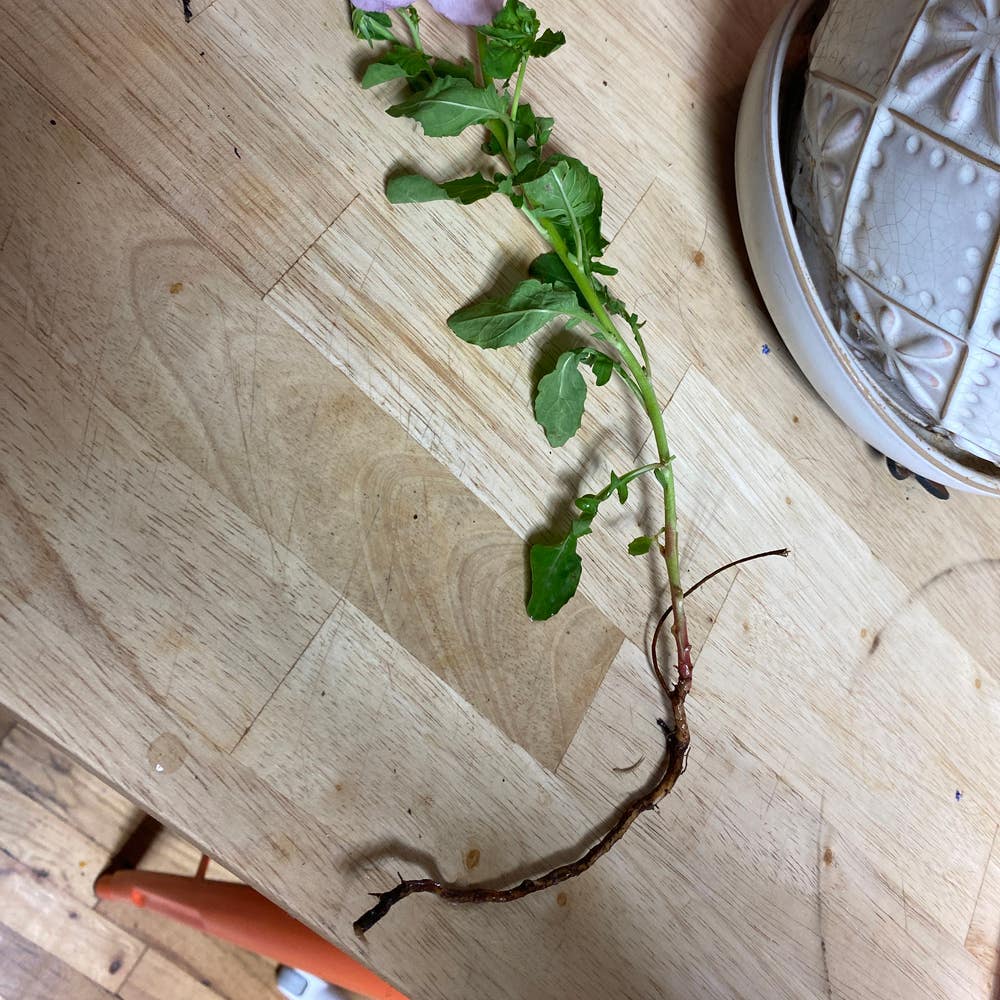
One of the remarkable features of Evening Primrose is its deep taproot system. This adaptation allows the plant to access moisture and nutrients from deeper soil layers, significantly enhancing its survival during dry spells.
Moreover, Evening Primrose has an impressive regrowth mechanism. Each year, it can regenerate from its established root system, ensuring consistent growth and flowering. This ability not only contributes to its perennial nature but also makes it a reliable choice for gardeners seeking low-maintenance plants.
Transitioning from the lifecycle and growth patterns, let’s explore the flowering cycles and how seasonal changes impact this resilient plant.
Flowering and Lifespan
🌸 Flowering Cycles and Seasonal Changes
Evening Primrose is a showstopper in the garden, typically blooming from late spring through summer. Its flowers are unique, opening in the evening and closing by morning, creating a delightful spectacle for night-time pollinators.
As the seasons shift, this plant enters a dormant phase during winter. You’ll notice reduced growth and yellowing leaves, signaling that it’s conserving energy until warmer temperatures coax it back to life.
⏳ Expected Lifespan and Factors Influencing Longevity
Under optimal conditions, Evening Primrose can thrive for several years, often living up to 5 years or more. This longevity makes it a valuable addition to any garden.
Several factors influence its lifespan:
- Soil Quality: Well-draining, nutrient-rich soil is essential for robust growth.
- Water Availability: Consistent moisture during the growing season is crucial for health.
- Climate Conditions: Its adaptability to various climates can significantly affect how long it lives.
By understanding these elements, you can help your Evening Primrose flourish, ensuring it brings beauty to your garden for years to come. As we move forward, let’s explore the dormancy and seasonal changes that affect this resilient plant.
Dormancy and Seasonal Changes
Description of Dormancy Periods 🌙
Evening Primrose enters a dormant state during the winter months. This period is crucial for conserving energy and resources, allowing the plant to survive harsh conditions.
Signs of dormancy include yellowing leaves and noticeably reduced growth activity. These changes signal that the plant is preparing for the colder weather ahead.
Seasonal Changes Affecting Growth and Flowering 🌸
As spring arrives and temperatures rise, Evening Primrose awakens from its dormancy. New leaves emerge from the rosette, signaling the start of a vibrant growing season.
Seasonal variations can significantly impact growth and flowering. Changes in temperature and precipitation may alter the timing of blooms, making each year a unique experience for gardeners.
This adaptability is part of what makes Evening Primrose such a resilient and cherished perennial. As you plan your garden, consider these seasonal dynamics to optimize your plant's performance.
Advantages for Gardeners
Benefits of Reduced Replanting 🌱
Evening Primrose is a gardener's dream when it comes to long-term investment. Once established, this perennial plant requires far less frequent replanting compared to annuals, allowing you to enjoy its beauty year after year.
This longevity translates into cost-effectiveness. With fewer plants needing to be purchased annually, you can save money and focus your budget on other gardening endeavors.
Importance of Established Root Systems 🌳
The established root systems of Evening Primrose offer enhanced resilience. These deep roots enable the plant to withstand drought and other environmental stresses, making it a reliable choice for various garden conditions.
Additionally, the roots contribute to improved soil health. By aerating the soil and cycling nutrients, Evening Primrose supports a thriving ecosystem in your garden, benefiting both the plant and its neighbors.
As you plan your garden, consider the advantages of incorporating Evening Primrose. Its durability and low maintenance make it an excellent choice for both novice and experienced gardeners alike. Next, let’s explore how this plant behaves across different climate zones.
Variations in Behavior Across Climate Zones
🌍 Differences in Behavior in Various Climates
Evening Primrose is remarkably adaptable, thriving in diverse climates ranging from temperate to arid regions. This resilience means that flowering times and growth patterns can shift significantly based on local climate conditions.
In cooler climates, you might see blooms appearing later in the season, while warmer areas may prompt earlier flowering. Understanding these variations helps gardeners anticipate when to expect those beautiful evening blooms.
🌱 Tips for Maximizing Benefits in Garden Planning
Selecting the right planting site is crucial for your Evening Primrose. Look for locations that receive ample sunlight and have well-draining soil to promote healthy growth.
Companion planting can also enhance your garden's appeal. Pairing Evening Primrose with other perennials not only boosts aesthetics but also increases biodiversity, benefiting the entire ecosystem.
Finally, adjusting your care practices according to local climate can optimize growth and flowering. Pay attention to seasonal changes and be ready to adapt your watering and maintenance routines to ensure your Evening Primrose flourishes year after year.
With these strategies, you can make the most of this resilient perennial, creating a vibrant garden that thrives in any climate.
⚠️ Safety First
This content is for general information and may contain errors, omissions, or outdated details. It is not medical, veterinary advice, or an endorsement of therapeutic claims.
Always consult a qualified healthcare professional before using any plant as food, medicine, or supplement.
Never eat any plant (or feed one to pets) without confirming its identity with at least two trusted sources.
If you suspect poisoning, call Poison Control (800) 222-1222, the Pet Poison Helpline (800) 213-6680, or your local emergency service immediately.
Spotted an error? Please report it here.
Elevate your garden with the vibrant blooms of Evening Primrose 🌙 while Greg provides tailored care reminders to help your perennial thrive effortlessly for years to come!