🌞 Prairie Sundrops Roots 101
Oenothera pilosella
By the Greg Editorial Team
Oct 21, 2024•6 min read
This article was created with the help of AI so we can cover more plants for you. May contain errors. See one? Report it here.
Unlock the secrets of Prairie Sundrops' roots 🌱 to help them thrive in any environment, even during drought! 💧
- 🌱 Prairie Sundrops have deep taproots, ensuring drought resistance and nutrient access.
- 🌿 Healthy roots are crucial for propagation; monitor for pests and diseases regularly.
- 💧 Proper watering and aeration prevent root rot and promote robust growth.
Root System Characteristics
🌱 Type of Root System
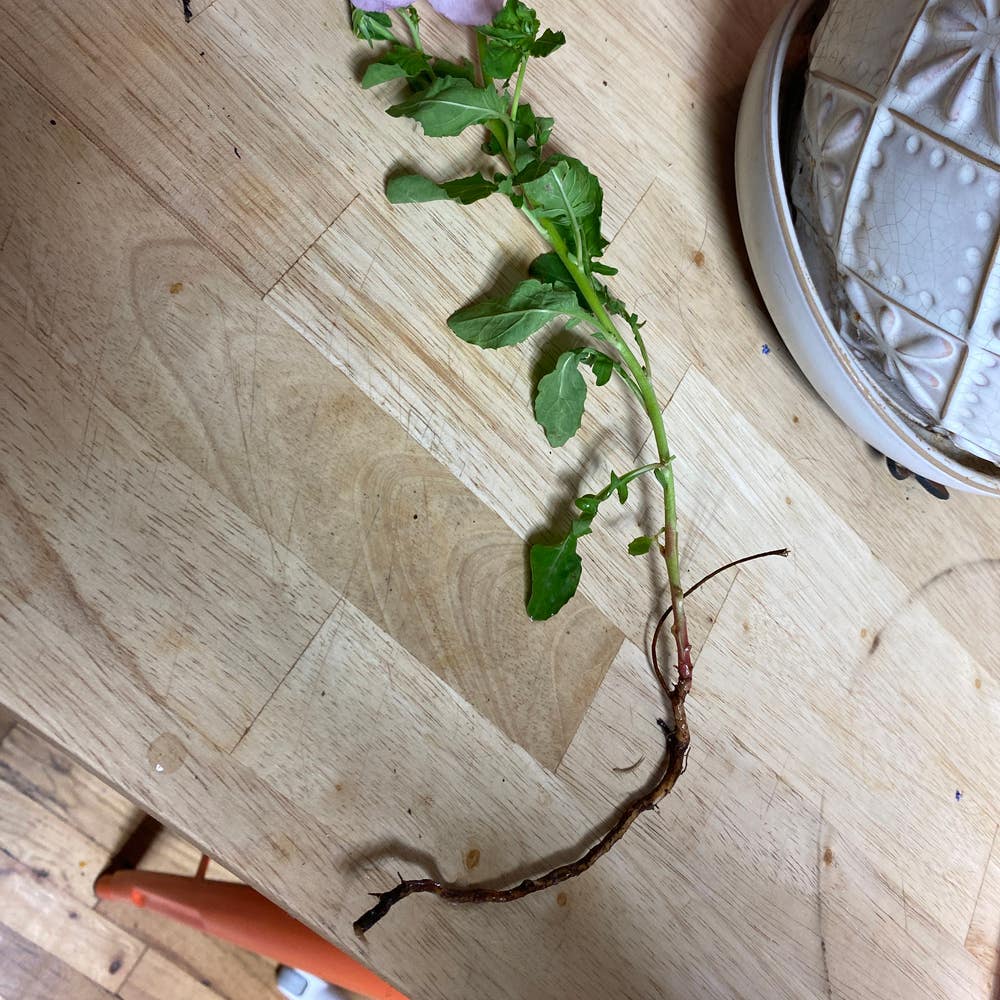
Prairie Sundrops feature a taproot system, characterized by a single, thick root that delves deep into the soil. This design allows the plant to access deeper soil moisture, making it well-suited for drought conditions.
The taproot not only anchors the plant securely but also plays a crucial role in its survival during dry spells. By reaching down into the earth, Prairie Sundrops can thrive even when surface moisture is scarce.
🌿 Specific Characteristics of Prairie Sundrops Roots
The root structure of Prairie Sundrops includes lateral roots that extend horizontally from the main taproot. These lateral roots are essential for nutrient and water absorption, enhancing the plant's overall efficiency.
With a robust network of roots, Prairie Sundrops can effectively gather resources from a wider area. This adaptability is key to their resilience in various soil conditions, ensuring they remain healthy and vibrant.
In summary, the unique root system of Prairie Sundrops not only supports their growth but also equips them to handle environmental challenges. Understanding these characteristics is vital for anyone looking to cultivate or care for this remarkable plant.
Next, we will explore the growth patterns of Prairie Sundrops, focusing on how their roots develop throughout the seasons.
Root Growth Patterns
Root Depth and Spread 🌱
Prairie Sundrops have a remarkable root system that allows them to thrive in various conditions. Typically, their roots can reach depths of up to 2 feet, enabling them to access vital moisture deep within the soil.
In addition to their impressive depth, Prairie Sundrops exhibit a lateral root spread averaging 1 to 2 feet from the base. This spread enhances their ability to absorb nutrients and water efficiently, making them resilient in challenging environments.
Growth Patterns and Seasonal Changes 🍂
Understanding the seasonal growth cycles of Prairie Sundrops is essential for effective care. In spring, these plants experience active growth and root expansion, setting the stage for a robust growing season.
As summer arrives, the focus shifts to stabilization and nutrient gathering. This period is crucial for building strength and resilience before the plant prepares for dormancy in the fall, ensuring it can withstand the challenges of winter.
With a solid grasp of root growth patterns, you can better appreciate how to care for Prairie Sundrops effectively. Next, we’ll explore care techniques related to their roots, ensuring they remain healthy and vibrant.
Care Techniques Related to Roots
💧 Watering Practices for Healthy Roots
Proper watering is crucial for the health of Prairie Sundrops. Deep watering encourages roots to grow deeper, while shallow watering may lead to weak, surface-level roots.
Aim to water every 1-2 weeks, adjusting based on soil moisture. Regularly check the soil to ensure it’s not too dry or overly saturated.
🌱 Fertilizing Methods Tailored to Root Needs
Fertilization plays a vital role in supporting robust root systems. Balanced NPK fertilizers provide essential nutrients, while organic options like compost and well-rotted manure enrich the soil naturally.
For optimal results, fertilize in early spring and mid-summer. This timing aligns with the plant's growth cycles, ensuring it receives the nutrients it needs when it needs them.
🌍 Transplanting Considerations and Techniques
Transplanting Prairie Sundrops requires careful planning to minimize root disturbance. The best times to transplant are early spring or fall, when the plant is less stressed.
Before moving, prepare the new site by amending the soil and ensuring proper drainage. When handling the root system, aim to disturb it as little as possible to promote a smooth transition.
These care techniques will help ensure that your Prairie Sundrops thrive, setting the stage for healthy growth and resilience. Next, let’s explore how to identify root health indicators to keep your plants flourishing.
Root Health Indicators
👀 Visual Cues of Healthy vs. Unhealthy Roots
Healthy roots are essential for the vitality of Prairie Sundrops. Look for roots that have a firm texture and a white or light tan color, indicating they are thriving.
In contrast, unhealthy roots exhibit dark, mushy textures and may emit a foul odor. Signs of root lesions or discoloration are also red flags that should not be ignored.
⚠️ Common Root-Related Issues and Solutions
One major issue is root rot, which manifests through symptoms like wilting and yellowing leaves. To prevent this, ensure proper watering techniques and adequate drainage.
Compaction is another concern, often leading to stunted growth and poor nutrient uptake. Aerating the soil and improving drainage can effectively address this problem, allowing roots to breathe and thrive.
By keeping an eye on these indicators and addressing issues promptly, you can ensure your Prairie Sundrops remain healthy and vibrant. Next, we’ll explore how stress factors impact root resilience, particularly in drought conditions.
Stress Factors and Root Resilience
🌱 Role of Roots in Drought Resistance
Prairie Sundrops are remarkable for their ability to withstand drought conditions. Their deep taproot allows them to access moisture far below the surface, ensuring survival even in dry spells.
Additionally, lateral roots play a crucial role in gathering nutrients from the surrounding soil. This dual-root system enhances their resilience, making them a hardy choice for challenging environments.
🐛 Impact of Pests and Diseases on Root Health
While Prairie Sundrops are tough, they can still fall victim to pests like root aphids and nematodes. These pests can damage the root system, leading to stunted growth and nutrient deficiencies.
Fungal infections also pose a significant threat, often resulting in root rot. This can severely impact the plant's overall health and vitality.
🛡️ Prevention Strategies
To keep your Prairie Sundrops thriving, regular monitoring is essential. Check for signs of pests or disease, and act quickly if you notice any issues.
Employing organic pest control methods can be effective in managing these threats. By staying proactive, you can help ensure the health and resilience of your plants.
With a solid understanding of stress factors and root resilience, you can better care for your Prairie Sundrops. Next, we’ll explore propagation techniques that will allow you to share these beautiful plants with others.
Propagation and Division
🌱 Importance of Root Health in Propagation
Healthy roots are crucial for successful propagation. They ensure that new plants can establish themselves effectively, drawing nutrients and moisture from the soil.
✂️ Techniques for Dividing Prairie Sundrops Without Damaging Roots
Dividing Prairie Sundrops can be a rewarding process if done correctly. Follow these steps for optimal results:
- Timing: Aim for early spring or fall when the plant is less stressed.
- Tools: Use a clean, sharp spade or garden fork to minimize damage.
- Method: Carefully lift the plant and separate the root clumps, ensuring each division has a healthy portion of roots.
🪴 Recognizing and Addressing Rootbound Conditions
Rootbound plants can struggle to thrive. They often exhibit roots circling the pot and stunted growth.
To remedy this, consider these solutions:
- Repotting Techniques: Gently loosen the roots and transfer the plant to a larger pot with fresh soil.
- Timing: Repot during the growing season for the best results.
- Signs to Repot: Watch for roots emerging from drainage holes or a noticeable slowdown in growth.
By paying attention to root health and employing these techniques, you can ensure your Prairie Sundrops flourish. Next, let’s explore how stress factors impact root resilience.
⚠️ Safety First
This content is for general information and may contain errors, omissions, or outdated details. It is not medical, veterinary advice, or an endorsement of therapeutic claims.
Always consult a qualified healthcare professional before using any plant as food, medicine, or supplement.
Never eat any plant (or feed one to pets) without confirming its identity with at least two trusted sources.
If you suspect poisoning, call Poison Control (800) 222-1222, the Pet Poison Helpline (800) 213-6680, or your local emergency service immediately.
Spotted an error? Please report it here.
Nurture your Prairie Sundrops with strong roots 🌱 by using Greg's tailored watering and fertilizing reminders to promote healthy growth and resilience!