🌼 Evening Primrose Is a Garden Plant, Not a Weed
Oenothera pilosella
By the Greg Editorial Team
Nov 08, 2024•4 min read
This article was created with the help of AI so we can cover more plants for you. May contain errors. See one? Report it here.
Create a thriving garden ecosystem 🌼 with Evening Primrose, a stunning plant that attracts vital pollinators!
- 🌼 Evening Primrose blooms beautifully in its second year, attracting nocturnal pollinators.
- 🌱 Versatile and adaptable, it thrives in various soils and conditions.
- 🦋 Enhance biodiversity by planting Evening Primrose alongside other pollinator-friendly plants.
Growth Habits
Typical Growth Patterns 🌱
Evening Primrose has a fascinating growth cycle that unfolds over two years. In the first year, it forms a rosette of leaves close to the ground, setting the stage for its stunning display.
By the second year, this plant bursts into life with vibrant flowers and begins producing seeds. Typically, Evening Primrose reaches an average height of 2 to 4 feet, with a spread of 1 to 2 feet, depending on the growing conditions.
Natural Limits to Growth 🌍
One of the remarkable aspects of Evening Primrose is its adaptability to various soil types. Whether in sandy or clay soils, this plant thrives, making it a versatile choice for many gardens.
It prefers full sun to partial shade and enjoys moderate moisture levels. However, in densely planted areas, its spread is limited, allowing other plants to coexist without being overshadowed.
Ecological Role
🦋 Benefits to Local Wildlife
Evening Primrose is a true ally for nocturnal pollinators. Its fragrant, open blooms attract moths and other night-flying insects, providing essential food sources during the evening hours.
These interactions play a crucial role in supporting local pollinator populations. By planting Evening Primrose, you contribute to a thriving ecosystem that benefits not just the plants, but also the wildlife that relies on them.
🌼 Positive Interactions with Other Plants
Companion planting with Evening Primrose can significantly enhance biodiversity in your garden. When grouped with other pollinator-friendly plants, it creates a vibrant habitat that attracts a variety of beneficial insects.
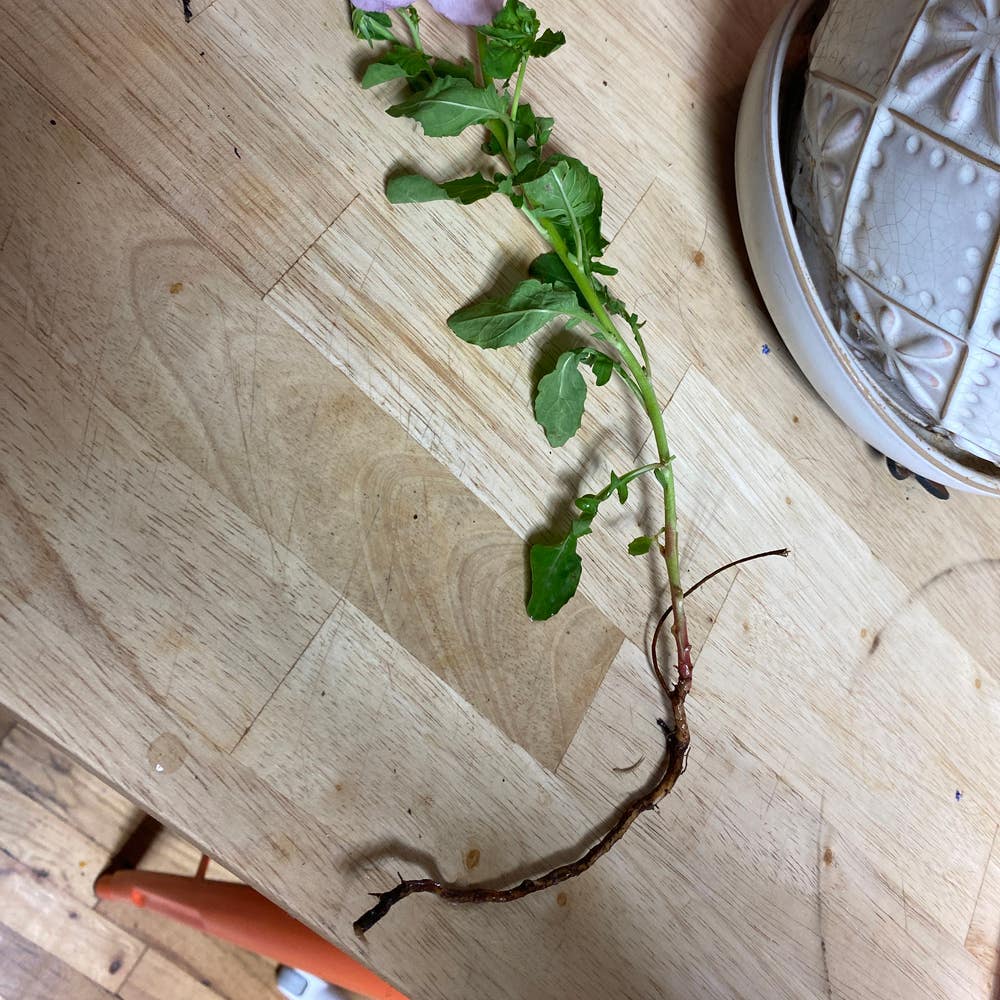
Moreover, Evening Primrose contributes to soil health through its deep taproot. This root system improves soil structure and nutrient availability, making it a valuable addition to any garden setting.
Incorporating Evening Primrose not only beautifies your space but also fosters a healthier environment for both plants and wildlife. As you plan your garden, consider how this plant can create positive interactions with its surroundings.
With its ecological benefits in mind, let's explore how to effectively incorporate Evening Primrose into your garden designs.
Garden Management
Effective Incorporation into Garden Designs 🌼
Incorporating Evening Primrose into your garden can be a game-changer for both aesthetics and biodiversity. Grouping these vibrant plants with other pollinator-friendly species creates a lively habitat that attracts a variety of beneficial insects.
Consider designing naturalistic garden beds that mimic native habitats. This approach not only enhances the visual appeal but also supports local wildlife, making your garden a thriving ecosystem.
Methods for Controlling Growth ✂️
Managing the growth of Evening Primrose is straightforward and can be quite rewarding. Start with simple pruning techniques, such as deadheading, to prevent excessive self-seeding. This keeps your garden tidy and allows you to enjoy the blooms without overwhelming your space.
After flowering, cutting back the plants helps maintain their shape and encourages healthy growth. Regular monitoring is essential; check your garden frequently to ensure Evening Primrose doesn’t outcompete other plants. This proactive approach ensures a balanced garden that thrives harmoniously.
With these strategies, you can enjoy the beauty of Evening Primrose while keeping your garden in check. Next, let’s explore how this plant compares to others in your garden.
Comparison to Other Plants
🌼 Similar Non-Invasive Plants
When considering plants that complement Evening Primrose, two excellent options are Black-eyed Susan and Coneflower. Both are non-invasive, hardy, and attract a variety of pollinators, making them ideal companions in any garden.
✨ Unique Qualities
Evening Primrose stands out with its unique evening blooming habit, which specifically attracts nocturnal pollinators like moths. This distinctive feature not only enhances the garden's biodiversity but also adds a magical touch as flowers open at dusk.
Additionally, Evening Primrose has a rich history of traditional medicinal uses, particularly its oil, which is known for various health benefits. This dual purpose—beauty and utility—makes it a valuable addition to any garden.
In garden settings, the evening blooms of Evening Primrose provide visual interest while supporting a diverse ecosystem. Its ability to thrive alongside other plants without overwhelming them makes it a favorite among gardeners looking to create a vibrant, pollinator-friendly space.
As we explore how to effectively incorporate Evening Primrose into your garden, consider its unique qualities and the benefits it brings to both wildlife and your landscape.
⚠️ Safety First
This content is for general information and may contain errors, omissions, or outdated details. It is not medical, veterinary advice, or an endorsement of therapeutic claims.
Always consult a qualified healthcare professional before using any plant as food, medicine, or supplement.
Never eat any plant (or feed one to pets) without confirming its identity with at least two trusted sources.
If you suspect poisoning, call Poison Control (800) 222-1222, the Pet Poison Helpline (800) 213-6680, or your local emergency service immediately.
Spotted an error? Please report it here.
Transform your garden into a pollinator paradise 🌼 with Evening Primrose, and let Greg provide tailored care tips to help your plants flourish and attract enchanting nocturnal visitors!