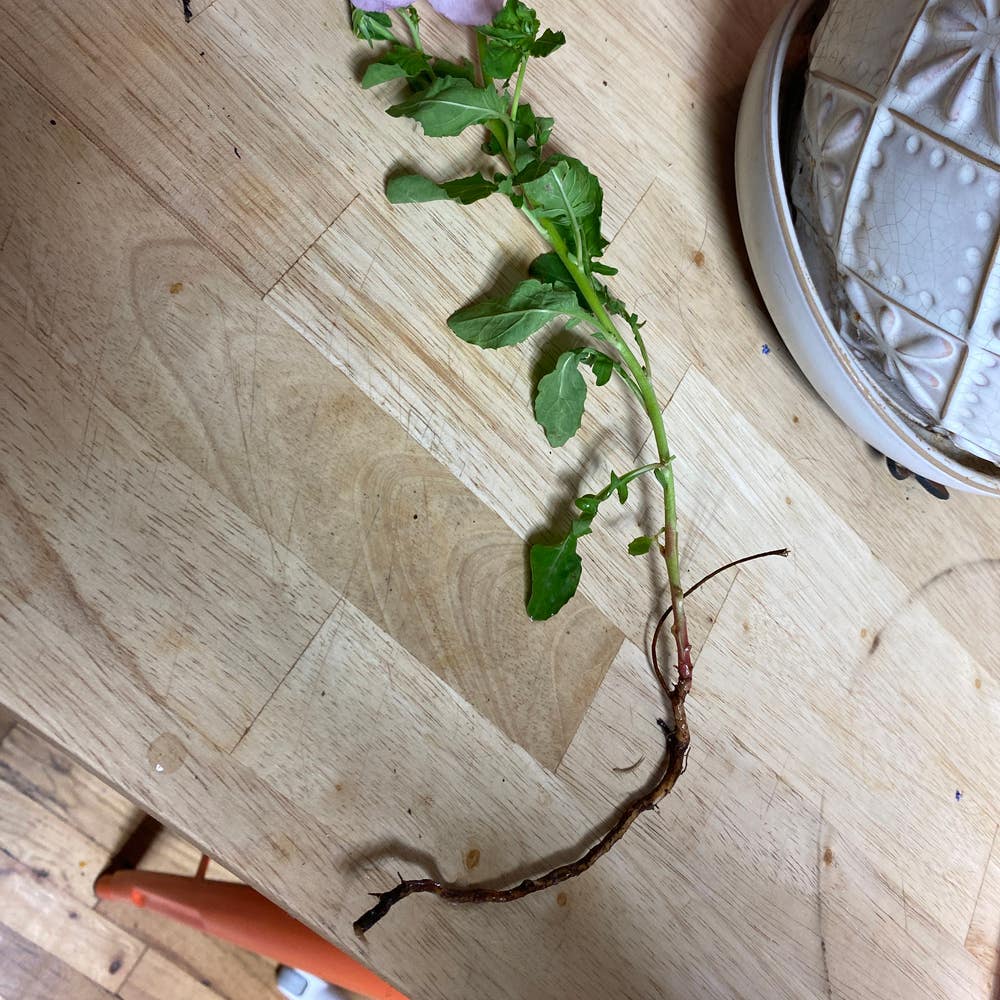
📏 Mature Height of Your Evening Primrose
Oenothera pilosella
By the Greg Editorial Team
Oct 04, 2024•4 min read
This article was created with the help of AI so we can cover more plants for you. May contain errors. See one? Report it here.
Cultivate stunning evening primrose blooms 🌼 by mastering growth control and care techniques for vibrant gardens!
- 🌱 Evening primrose reaches mature height in about two years, varying from 1 to 4 feet.
- ☀️ Full sun and well-draining soil are crucial for optimal growth and flowering.
- ✂️ Pruning and proper spacing enhance bushiness and prevent overcrowding in your garden.
Growth Rate and Time to Full Size
🌱 Typical Growth Rate
Evening primrose typically exhibits a moderate to fast growth rate, depending on its growing conditions. In the first year, you'll notice rosette formation, setting the stage for vibrant flowering in the second year.
⏳ Time to Reach Full Size
It generally takes about two years for evening primrose to reach its mature height and spread. Several factors influence this timeframe, including soil quality, climate, and your care practices.
Understanding these growth dynamics can help you cultivate a thriving evening primrose garden. With the right conditions, you’ll be rewarded with beautiful blooms in no time!
Size Variability
Differences Between Species and Varieties 🌱
Evening primrose comes in various species, each with its unique height and growth habits. Common species typically range from 1 to 4 feet tall, showcasing a mix of upright and sprawling growth patterns.
When it comes to size, you’ll find both dwarf and giant varieties. Dwarf types usually stay under 1 foot, making them perfect for smaller gardens, while giant varieties can tower at over 4 feet, adding dramatic flair to your landscape.
Environmental Factors Influencing Size 🌍
Soil type plays a crucial role in the growth of evening primrose. Sandy soils tend to drain quickly, which can limit growth, while loamy soils retain moisture and nutrients, promoting healthier plants.
Climate also significantly impacts size. Warm climates generally encourage more robust growth, while cooler regions may lead to smaller plants with fewer flowers. Understanding these factors can help you choose the right variety for your garden.
As you explore the fascinating world of evening primrose, consider how these size variations can enhance your gardening experience. Next, we’ll delve into effective methods for controlling the size of your plants.
Controlling Size
🌿 Pruning Techniques for Size Control
To keep your evening primrose at a manageable size, consider pinching back the stems. This simple technique encourages bushier growth, making your plants fuller and more visually appealing.
Timing is crucial; aim to prune in early spring, just before new growth begins. This way, you’ll promote a robust structure for the upcoming growing season.
📏 Other Methods to Manage Growth
Spacing is another key factor in controlling size. Ensure adequate spacing between plants to prevent overcrowding, which can lead to competition for resources and stunted growth.
Companion planting can also be effective. Pairing your evening primrose with shorter plants can help control visual height, creating a balanced and harmonious garden layout.
By implementing these strategies, you can enjoy a thriving garden while keeping your evening primrose in check. Next, let’s explore how growing conditions impact the size of your plants.
Impact of Growing Conditions on Size
🌱 Soil Type and Its Effect on Growth
The type of soil you choose for your evening primrose can significantly impact its growth. Well-draining soils are essential; they promote healthy root development, allowing the plant to reach its full size.
In contrast, poor soil conditions can stunt growth and reduce height. Compacted or overly wet soils can hinder root expansion, leading to smaller plants.
☀️ Sunlight Requirements and Size Correlation
Sunlight plays a crucial role in the growth of evening primrose. Full sun exposure is optimal for achieving maximum height and vibrant flowering.
On the other hand, partial shade can lead to reduced size and fewer blooms. If your plants aren't getting enough light, you might notice them stretching awkwardly instead of growing robustly.
💧 Watering Practices and Their Influence on Dimensions
Watering practices are vital for the overall health of your evening primrose. Consistent moisture supports healthy growth and can lead to larger plants.
However, overwatering poses risks, such as root rot, which can stunt growth and size. It's all about finding that sweet spot—enough water to thrive, but not so much that you drown your plants.
As you consider these growing conditions, remember that each factor interplays with the others. A well-rounded approach will help you cultivate evening primrose that not only grows tall but also flourishes beautifully.
Next, let’s explore how you can control the size of your evening primrose through effective pruning techniques and other methods.
⚠️ Safety First
This content is for general information and may contain errors, omissions, or outdated details. It is not medical, veterinary advice, or an endorsement of therapeutic claims.
Always consult a qualified healthcare professional before using any plant as food, medicine, or supplement.
Never eat any plant (or feed one to pets) without confirming its identity with at least two trusted sources.
If you suspect poisoning, call Poison Control (800) 222-1222, the Pet Poison Helpline (800) 213-6680, or your local emergency service immediately.
Spotted an error? Please report it here.
Unlock the vibrant blooms 🌼 of your evening primrose by using Greg's tailored watering and soil tips to help your plants thrive in any garden!