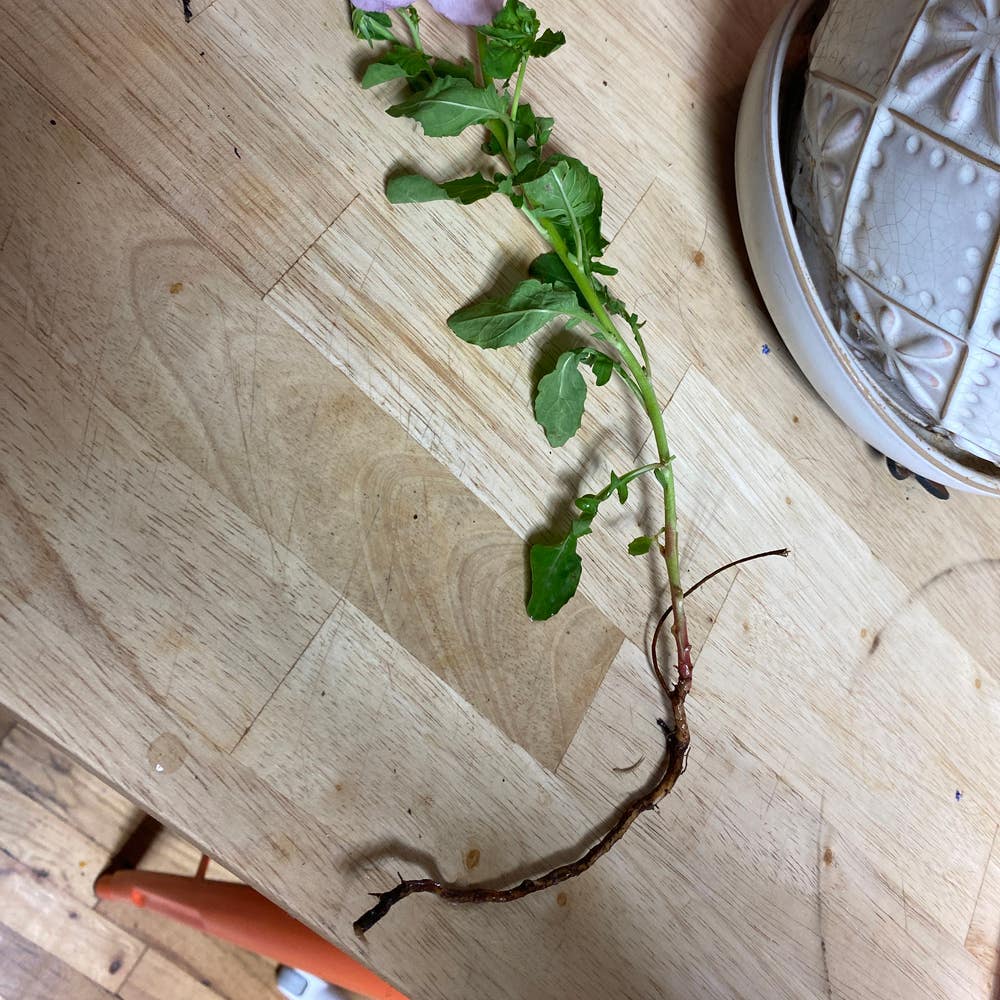
🥕 All About Your Evening Primrose's Roots
Oenothera pilosella
By the Greg Editorial Team
Oct 04, 2024•6 min read
This article was created with the help of AI so we can cover more plants for you. May contain errors. See one? Report it here.
Boost your evening primrose's growth 🌼 with essential root care tips and propagation secrets for vibrant blooms!
- 🌱 Evening primrose has a deep taproot, ensuring stability and moisture access.
- 💧 Water every 1-2 weeks and let topsoil dry to prevent root rot.
- 🌼 Healthy roots are essential for thriving evening primrose and successful propagation.
Root System Characteristics
🌱 Type and Description
Evening primrose plants feature a taproot system, characterized by a deep, central root that anchors the plant securely. This robust root not only stabilizes the plant but also allows it to access moisture from deeper soil layers, enhancing nutrient uptake.
📏 Depth, Spread, and Growth Patterns
In optimal conditions, the roots can reach depths of up to 3 feet (90 cm). They also spread laterally, extending up to 2 feet (60 cm), which is crucial for stability and resource gathering.
Growth Patterns
The growth patterns of evening primrose are fascinating. They exhibit rapid initial growth in spring, taking advantage of the favorable conditions. However, during dry periods, their growth slows, showcasing impressive drought resilience. This adaptability is a testament to their survival instincts in varying environments.
Understanding these root system characteristics is essential for effective plant care. A healthy root system lays the foundation for a thriving evening primrose, setting the stage for the next section on watering and fertilizing.
Watering and Fertilizing
🌊 Impact on Watering Needs
To keep your evening primrose thriving, deep watering every 1-2 weeks is essential. Monitor soil moisture closely, allowing the topsoil to dry out between waterings to prevent root rot.
🌱 Fertilizing Techniques
For optimal growth, use a balanced NPK fertilizer, like 10-10-10, during the growing season. Apply it in early spring and mid-summer to ensure your plant gets the nutrients it needs.
Application Techniques
Side-dressing around the root zone is an effective method to encourage deep root growth. This technique not only nourishes the plant but also promotes stability and resilience.
By understanding the watering and fertilizing needs of your evening primrose, you set the stage for robust root development. Next, let’s explore the best practices for transplanting and caring for those vital roots.
Transplanting and Root Care
Best Practices for Transplanting 🌱
Transplanting your evening primrose is best done in early spring or fall when temperatures are mild. This timing helps reduce stress on the plant and promotes healthy growth.
To ensure a successful transplant, follow these steps:
- Water the plant thoroughly the day before transplanting. This hydrates the roots and makes the process smoother.
- Carefully dig around the root zone, preserving as much soil as possible. This minimizes root disturbance and helps the plant acclimate.
- Replant in a prepared hole, ensuring the taproot is straight and undamaged. A straight taproot is crucial for stability and nutrient uptake.
Tips for Maintaining Root Health 🌿
Maintaining root health is vital for your evening primrose's overall well-being. To minimize root disturbance, use a spade or garden fork to lift the plant gently. This technique helps keep the roots intact and reduces shock.
After transplanting, water the plant immediately. This quick action helps reduce transplant shock and encourages the roots to settle into their new environment. Remember, a little care goes a long way in ensuring your evening primrose thrives.
With these transplanting and root care tips, you're well on your way to nurturing a healthy evening primrose. Next, let’s explore common root-related issues and how to tackle them effectively.
Common Root-Related Issues
🔍 Identifying and Solving Problems
Evening primrose plants can face several root-related issues that may hinder their growth.
One of the most common problems is root rot, which manifests through yellowing leaves and wilting. If you notice discoloration or mushiness in the roots, these are clear indicators of unhealthy roots.
To tackle these issues, start by improving drainage in your soil. Reducing watering frequency can also help prevent further damage. If root rot has set in, remove the affected roots and repot the plant in fresh soil to give it a fighting chance.
🛡️ Preventative Measures
Preventing root problems is often easier than solving them. Regularly check your soil moisture levels to ensure they are within a healthy range.
Using well-draining soil is crucial to prevent waterlogging, which can lead to root rot. Additionally, rotating planting locations can help avoid soil-borne diseases, keeping your evening primrose thriving.
By staying vigilant and proactive, you can maintain a healthy root system that supports robust plant growth. Understanding these common issues and their solutions will set you on the right path for successful evening primrose care.
Next, we’ll explore how to recognize rootbound conditions and what you can do to remedy them.
Recognizing Rootbound Conditions
Definition and Signs 🌱
Rootbound conditions occur when roots grow in circles within the pot, restricting growth. You can identify this issue by observing roots emerging from drainage holes and noticing stunted growth or yellowing leaves.
Solutions for Rootbound Plants 🛠️
Repotting is the most effective solution for rootbound plants. Follow these steps for a successful repotting:
- Choose a pot that is 1-2 inches larger in diameter.
- Gently loosen the roots and trim any that are circling.
- Replant in fresh soil, ensuring the root depth is appropriate.
By addressing rootbound conditions promptly, you can help your evening primrose thrive and flourish. Understanding these signs and solutions is essential for maintaining a healthy plant.
Next, we’ll explore the importance of root health in propagation, ensuring your plants continue to grow strong and vibrant.
Importance of Root Health in Propagation
🌱 Role in Successful Propagation
Healthy roots are the backbone of successful propagation and division. When roots are stressed, it can lead to poor growth or even plant death, making root health a top priority.
✂️ Step-by-Step Guide for Dividing
To ensure a successful division, timing is key. The best time to divide your evening primrose is in early spring or fall.
Tools Needed
- Clean, sharp garden shears are essential for a smooth process.
Steps for Dividing
- Dig Up the Plant: Carefully lift the plant from the soil to minimize root damage.
- Divide the Root Ball: Split the root ball into sections, ensuring each section has both roots and shoots.
- Replant Immediately: Place the divided sections into prepared soil, watering thoroughly to help them settle in.
By following these steps, you can promote healthy growth and ensure your evening primrose thrives. Understanding the importance of root health not only enhances propagation success but also contributes to the overall vitality of your plants.
Next, let’s explore common root-related issues that can arise and how to tackle them effectively.
⚠️ Safety First
This content is for general information and may contain errors, omissions, or outdated details. It is not medical, veterinary advice, or an endorsement of therapeutic claims.
Always consult a qualified healthcare professional before using any plant as food, medicine, or supplement.
Never eat any plant (or feed one to pets) without confirming its identity with at least two trusted sources.
If you suspect poisoning, call Poison Control (800) 222-1222, the Pet Poison Helpline (800) 213-6680, or your local emergency service immediately.
Spotted an error? Please report it here.
Nurture your evening primrose's deep roots 🌿 with Greg's tailored watering alerts and nutrient guidance to keep it thriving all season long!