Signs Your Prairie Sundrops Has Root Rot and How to Fix It 💧
Oenothera pilosella
By the Greg Editorial Team
Oct 21, 2024•5 min read
This article was created with the help of AI so we can cover more plants for you. May contain errors. See one? Report it here.
Protect your Prairie Sundrops from root rot with expert diagnosis and prevention tips! 🌿
- 🌼 Yellowing leaves and wilting are key signs of root rot in Prairie Sundrops.
- 🕵️♂️ Inspect roots for dark decay; healthy roots should feel firm and light.
- 💧 Consistently wet soil indicates root rot; adjust watering immediately to prevent damage.
Signs of Root Rot
👀 Visual Symptoms
One of the first signs of root rot in your Prairie Sundrops is yellowing leaves. This often indicates nutrient deficiency and stress, signaling that your plant is struggling.
Another visual cue is wilting plants. When roots are damaged, they can't effectively take up water, leading to droopy foliage that can be alarming.
🔍 Root Examination
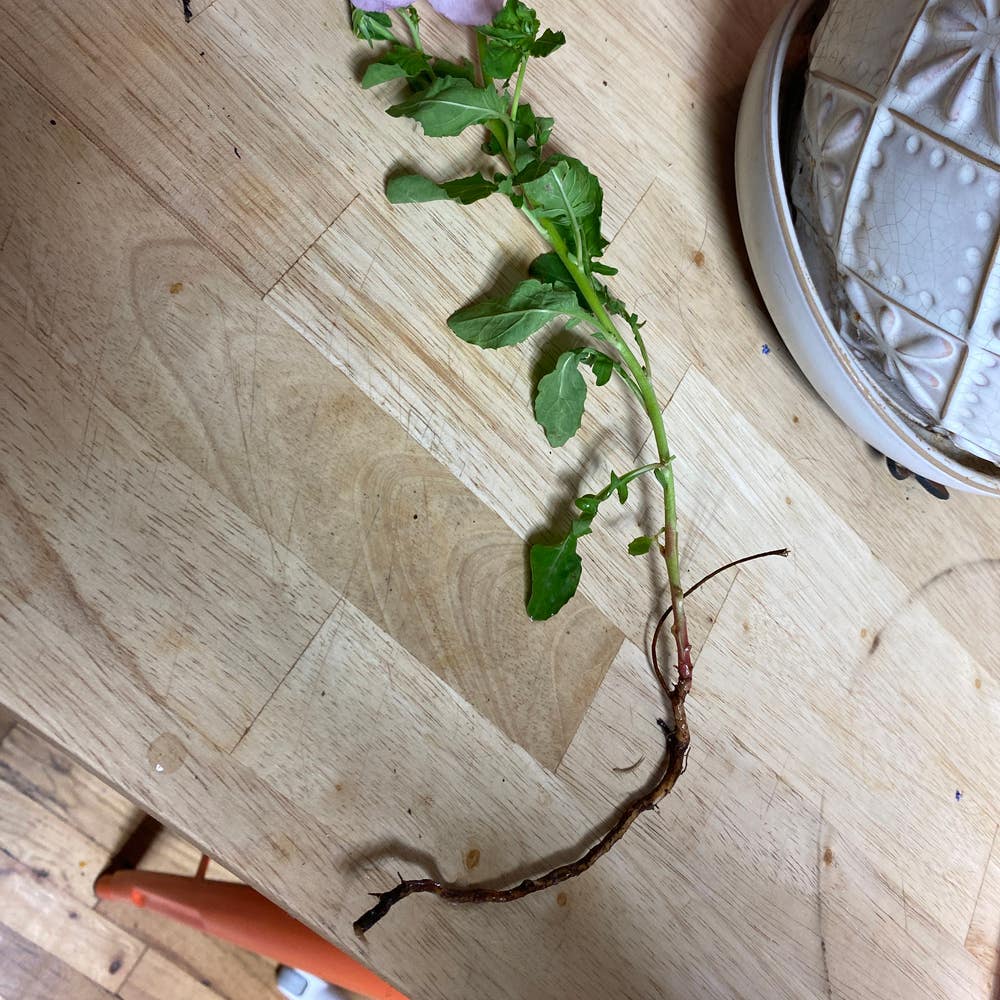
Next, it's crucial to examine the roots. Look for dark brown or black roots, which are clear indicators of decay.
Healthy roots should feel firm, while affected ones will be soft and mushy. This texture difference is a telltale sign of root rot that shouldn't be ignored.
🌱 Soil Condition Indicators
Soil moisture levels can also reveal issues. If your soil remains consistently wet despite reducing your watering schedule, root rot may be the culprit.
Additionally, pay attention to any foul odors coming from the soil. A bad smell often indicates decaying roots, suggesting that the rot has advanced significantly.
Recognizing these signs early can help you take action before the problem worsens. Next, let’s explore how to diagnose root rot effectively.
Diagnosing Root Rot
Step-by-step Diagnosis Process 🕵️♂️
Diagnosing root rot in your Prairie Sundrops is straightforward. Start by inspecting the leaves for yellowing and wilting, which are clear indicators of stress.
Next, check the soil moisture levels. You can use a moisture meter or simply stick your finger into the soil to gauge its dampness.
Finally, carefully remove the plant from its pot for a thorough root examination. This step is crucial for identifying the extent of the damage.
Tools Needed for Diagnosis 🛠️
Having the right tools makes diagnosis easier. A moisture meter is essential for accurately assessing soil moisture levels.
You’ll also need pruning shears for examining and potentially removing affected roots. Don’t forget to wear gloves to protect your hands while handling any potentially infected roots.
Differentiating Root Rot from Other Issues 🔍
It’s important to distinguish root rot from other plant problems. Compare the symptoms with those of overwatering and pest damage to pinpoint the issue.
Additionally, assess the soil drainage and environmental conditions. This will help rule out other causes and confirm whether root rot is indeed the problem.
By following these steps, you can effectively diagnose root rot and take the necessary actions to save your Prairie Sundrops. Next, we’ll explore how to fix root rot and restore your plant to health.
Fixing Root Rot
🛑 Immediate actions to take
The first step in addressing root rot is to stop watering your Prairie Sundrops. This allows the soil to dry out, which is crucial for halting further decay.
Next, carefully remove the plant from its pot for a thorough inspection. This will give you a clear view of the root system and help identify the extent of the damage.
✂️ How to remove affected roots
- Grab your sterilized pruning shears and start cutting away any black, mushy roots. These are the telltale signs of decay and need to go.
- Don’t forget to trim back healthy roots as well. This encourages new growth and helps the plant recover more effectively.
💊 Recommended treatments
After you've dealt with the roots, consider applying fungicides. These can effectively combat any lingering fungal infections that may threaten your plant's health.
Additionally, incorporate soil amendments like perlite or sand. These materials improve drainage, ensuring that your Prairie Sundrops have a healthier environment to thrive in.
By taking these steps, you can give your Prairie Sundrops a fighting chance against root rot. Next, let’s explore how to prevent this issue from arising in the future.
Preventing Root Rot
Best Practices for Watering Prairie Sundrops 🌧️
To keep your Prairie Sundrops thriving, establish a consistent watering schedule. Allow the soil to dry out between waterings to prevent root rot.
Watch for signs of overwatering, such as yellowing leaves and soggy soil. These indicators can help you adjust your watering habits before issues escalate.
Importance of Soil Drainage 💧
Soil drainage is crucial for healthy plants. Use well-draining soil to ensure proper aeration and moisture control.
Avoid heavy, compacted soils that retain excess moisture. This can lead to root rot and other complications.
Choosing the Right Potting Mix 🪴
Selecting the right potting mix can make all the difference. A recommended blend includes native soil, perlite, and compost for optimal drainage.
Steer clear of mixes that retain too much moisture. Your Prairie Sundrops will thank you for it!
By following these preventive measures, you can maintain the health of your Prairie Sundrops and enjoy their vibrant beauty. Next, let’s explore long-term care strategies to keep your plants flourishing.
Long-term Care for Healthy Prairie Sundrops
🌧️ Seasonal Care Tips to Prevent Root Rot
Adjusting your watering frequency is crucial as seasons change. During rainy periods, reduce watering to prevent soggy soil.
Mulching is another effective strategy. A layer of mulch helps retain moisture without drowning the roots, striking a balance that Prairie Sundrops thrive on.
🔍 Monitoring Plant Health Regularly
Conduct weekly inspections of your plants. Look for signs of stress or disease, such as yellowing leaves or wilting.
Keeping a record of your watering habits and environmental conditions can be invaluable. This practice helps you identify patterns and adjust care as needed.
🌞 Adjusting Care Based on Environmental Conditions
Ensure your Prairie Sundrops receive full sun exposure. These plants love sunlight, which is essential for their growth and health.
Be ready to adapt your watering and soil care based on humidity and temperature changes. Staying attuned to your plant's needs will help you maintain a vibrant garden.
By following these long-term care strategies, you can enjoy healthy Prairie Sundrops while preventing root rot. Next, let’s explore how to fix root rot if it does occur.
⚠️ Safety First
This content is for general information and may contain errors, omissions, or outdated details. It is not medical, veterinary advice, or an endorsement of therapeutic claims.
Always consult a qualified healthcare professional before using any plant as food, medicine, or supplement.
Never eat any plant (or feed one to pets) without confirming its identity with at least two trusted sources.
If you suspect poisoning, call Poison Control (800) 222-1222, the Pet Poison Helpline (800) 213-6680, or your local emergency service immediately.
Spotted an error? Please report it here.
Spotting root rot early is crucial 🌱, and with Greg's tailored moisture alerts and care tips, you'll keep your Prairie Sundrops thriving and vibrant!