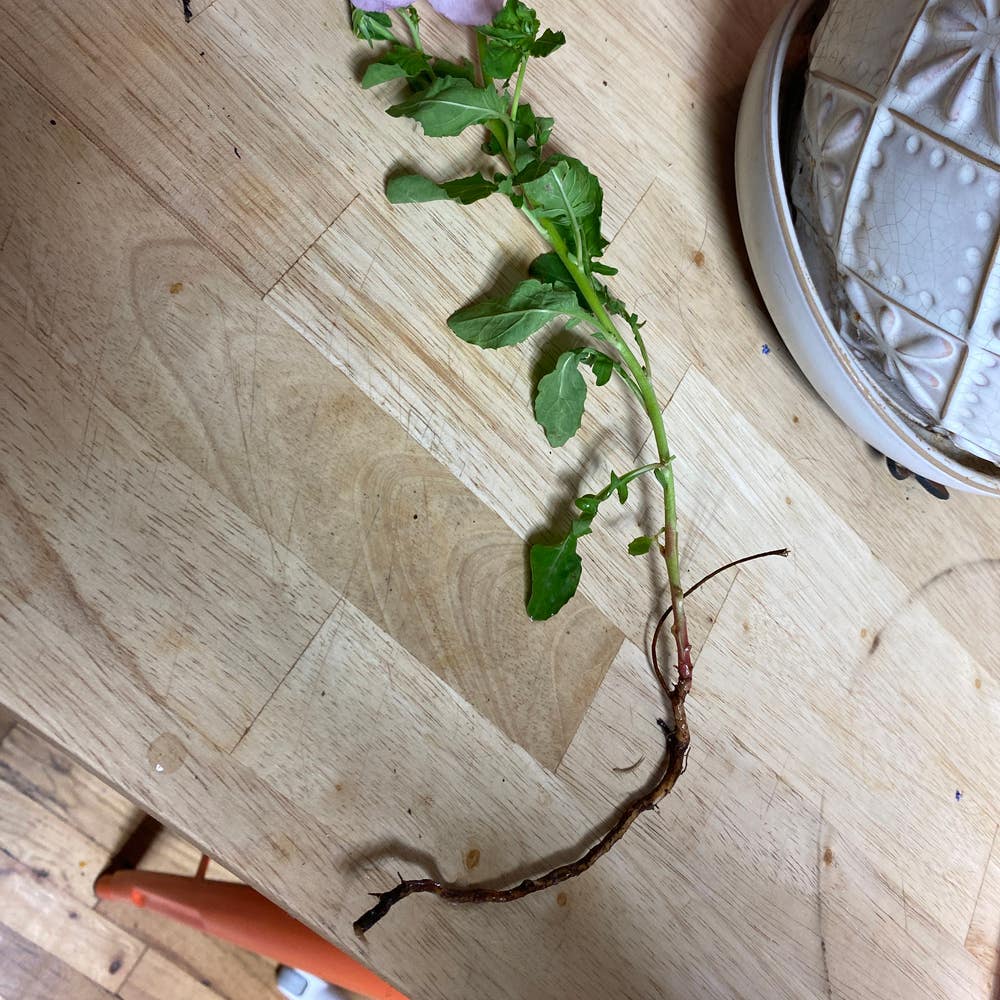
🌞 How to Cure Droopy Leaves on Your Evening Primrose
Oenothera pilosella
By the Greg Editorial Team
Oct 04, 2024•5 min read
This article was created with the help of AI so we can cover more plants for you. May contain errors. See one? Report it here.
Transform your droopy evening primrose into a thriving beauty 🌼 with essential care tips for watering, nutrients, and pests!
- 🌱 Droopy leaves indicate overwatering, underwatering, pests, or nutrient deficiencies—diagnose carefully.
- 💧 Adjust watering based on soil moisture; allow soil to dry between waterings.
- 🌞 Ensure 6-8 hours of sunlight daily to prevent drooping and promote healthy growth.
Causes of Droopy Leaves
💧 Overwatering and Its Effects
Droopy leaves can often signal overwatering. Look for yellowing leaves, mushy stems, and a general droopiness.
Excess water can suffocate roots, leading to root rot due to a lack of oxygen. To remedy this, allow the soil to dry out before rewatering.
🚰 Underwatering and Dehydration
On the flip side, underwatering can also cause droopy leaves. Symptoms include crispy, dry leaves and wilting.
If you notice leaves curling inward or drooping, it’s a sign of stress. Water thoroughly when the top inch of soil feels dry to the touch.
🥦 Nutrient Deficiencies
Nutrient deficiencies can lead to droopy leaves as well. Two common deficiencies are nitrogen and potassium.
Nitrogen Deficiency
Pale green leaves and stunted growth are telltale signs of nitrogen deficiency. To address this, use a balanced fertilizer that includes nitrogen.
Potassium Deficiency
Marginal leaf burn and drooping indicate potassium deficiency. Applying a potassium-rich fertilizer can help restore your plant's health.
🐛 Pest Infestations
Pests can wreak havoc on your evening primrose, leading to droopy leaves. Two common culprits are aphids and spider mites.
Aphids
Look for sticky residue on leaves and curled leaves as signs of aphid presence. Using insecticidal soap or neem oil can effectively manage these pests.
Spider Mites
Fine webbing and stippled leaves suggest spider mite infestations. Increasing humidity and applying miticides can help control their population.
🍄 Fungal Infections
Fungal infections, particularly root rot, can also cause droopy leaves. Symptoms include wilting despite adequate watering and a foul smell from the soil.
To combat root rot, improve soil drainage and consider using fungicides. This will help ensure your evening primrose thrives.
Understanding these causes is crucial for effective treatment. Next, we’ll explore how to diagnose droopy leaves accurately.
Diagnosing Droopy Leaves
🌈 Visual Signs of Droopiness
To effectively diagnose droopy leaves, start by assessing their color. Yellowing leaves often indicate overwatering, while green leaves may suggest other issues.
Next, check the leaf texture. Soft leaves can signal overwatering, whereas crispy leaves typically point to underwatering.
💧 Assessing Soil Moisture Levels
Soil moisture is crucial for plant health. Use the finger test or a moisture meter to determine if the soil is too dry or too wet.
Ideally, the soil should feel moist but not soggy. This balance is essential for preventing droopiness.
🐛 Checking for Pests and Diseases
Pests can wreak havoc on your evening primrose. Inspect the undersides of leaves and the base of the plant for any visible pests or webbing.
Signs of infestation include sticky residue or curled leaves. Early detection is key to effective treatment.
☀️ Evaluating Light Exposure
Light exposure plays a significant role in plant vitality. Evening primrose thrives in full sun, requiring 6-8 hours of light daily.
If you notice stretching stems or drooping leaves, your plant may not be getting enough light. Adjusting its placement can make a world of difference.
By carefully diagnosing these factors, you can take the necessary steps to revive your evening primrose. Next, let’s explore effective treatments for droopy leaves.
Treatment for Droopy Leaves
🌊 Adjusting Watering Practices
- Start by determining your current watering schedule.
- Adjust the frequency based on a soil moisture assessment to avoid over or underwatering.
- Implement deep watering techniques to encourage robust root growth.
🌱 Fertilization Techniques for Recovery
Using the right fertilizer can make a significant difference. Opt for balanced NPK or organic options to provide essential nutrients.
Apply fertilizer every 4-6 weeks during the growing season for optimal recovery.
🐛 Pest Control Methods
Organic Options
For a natural approach, consider using neem oil. Apply it every 1-2 weeks, ensuring you cover all affected areas.
Insecticidal soap is another effective option. Spray it directly on pests for best results.
Chemical Options
If pests persist, you might need chemical pesticides. Systemic pesticides work from within the plant, while contact pesticides eliminate pests on contact.
Always follow label instructions carefully to ensure safety for both you and your plants.
🍄 Addressing Fungal Issues
Fungal infections can be tricky but manageable. Recommended fungicides vary, so choose one that suits your specific issue and follow application methods closely.
Improving soil drainage is crucial. Techniques like adding perlite or sand can significantly enhance drainage and prevent future fungal problems.
With these treatment strategies, your evening primrose can bounce back from droopy leaves. Next, let’s explore how to prevent these issues from arising in the first place.
Preventing Droopy Leaves
💧 Best Practices for Watering
Establishing a consistent watering schedule is crucial for your evening primrose. Aim to water when the top inch of soil feels dry, ensuring you provide enough moisture without saturating the roots.
Watch for signs of overwatering, such as yellowing leaves and mushy stems. Conversely, underwatering will lead to crispy, dry leaves and wilting, so stay vigilant.
🌱 Soil Selection and Amendments
Choosing the right soil is vital for healthy growth. A well-draining, fertile loam is ideal for evening primrose, allowing roots to breathe and absorb nutrients effectively.
Consider adding amendments like perlite or sand to improve drainage. This will help prevent root rot and keep your plant thriving.
☀️ Optimal Sunlight Conditions
Evening primrose thrives in full sun, requiring 6-8 hours of direct light daily. If your plant is stretching or drooping, it may not be getting enough sunlight.
Adjust its placement to ensure it receives adequate light. This simple change can significantly enhance its health and vigor.
🔍 Regular Monitoring for Pests and Diseases
Routine inspections are essential for early detection of pests and diseases. Aim for weekly checks to catch any issues before they escalate.
Maintaining plant health through proper care is key. A little attention goes a long way in preventing droopy leaves and ensuring your evening primrose flourishes.
Transitioning from prevention to treatment, understanding how to address droopy leaves effectively will empower you to keep your plants in top shape.
⚠️ Safety First
This content is for general information and may contain errors, omissions, or outdated details. It is not medical, veterinary advice, or an endorsement of therapeutic claims.
Always consult a qualified healthcare professional before using any plant as food, medicine, or supplement.
Never eat any plant (or feed one to pets) without confirming its identity with at least two trusted sources.
If you suspect poisoning, call Poison Control (800) 222-1222, the Pet Poison Helpline (800) 213-6680, or your local emergency service immediately.
Spotted an error? Please report it here.
Revive your evening primrose and watch it flourish 🌼 with Greg's tailored watering and nutrient reminders that keep droopy leaves at bay!