When to Water Your Haemanthus 💧
Haemanthus virescens var. intermedius
By the Greg Editorial Team
Nov 24, 2024•5 min read
This article was created with the help of AI so we can cover more plants for you. May contain errors. See one? Report it here.
Unlock the secret to a thriving Haemanthus 🌱 with expert watering tips that keep your plant vibrant and healthy year-round! 💧
- 💧 Water Haemanthus every 2-3 weeks in spring/summer; monthly in fall/winter.
- 🌱 Use well-draining soil to prevent over-watering and root rot.
- 📱 Track watering with apps for reminders and moisture monitoring.
Watering Frequency Guidelines
Ideal Watering Frequency 🌧️
To keep your Haemanthus thriving, aim to water it every 2-3 weeks during the growing season, which spans spring and summer. As the plant enters dormancy in the fall and winter, reduce the frequency to once a month.
Factors Influencing Watering Needs 💧
Several factors can influence how often you need to water your Haemanthus.
Soil Type
Using well-draining soil is essential for preventing over-watering. It allows excess moisture to escape, keeping your plant's roots healthy.
Environmental Conditions
Temperature, humidity, and light exposure all play a role in moisture retention. For instance, higher temperatures and lower humidity levels may require more frequent watering, while cooler, more humid conditions can extend the time between waterings.
Understanding these guidelines will help you maintain the right balance for your Haemanthus. Next, let’s explore how to recognize watering issues to ensure your plant stays healthy and vibrant.
Recognizing Watering Issues
🚰 Signs of Over-Watering
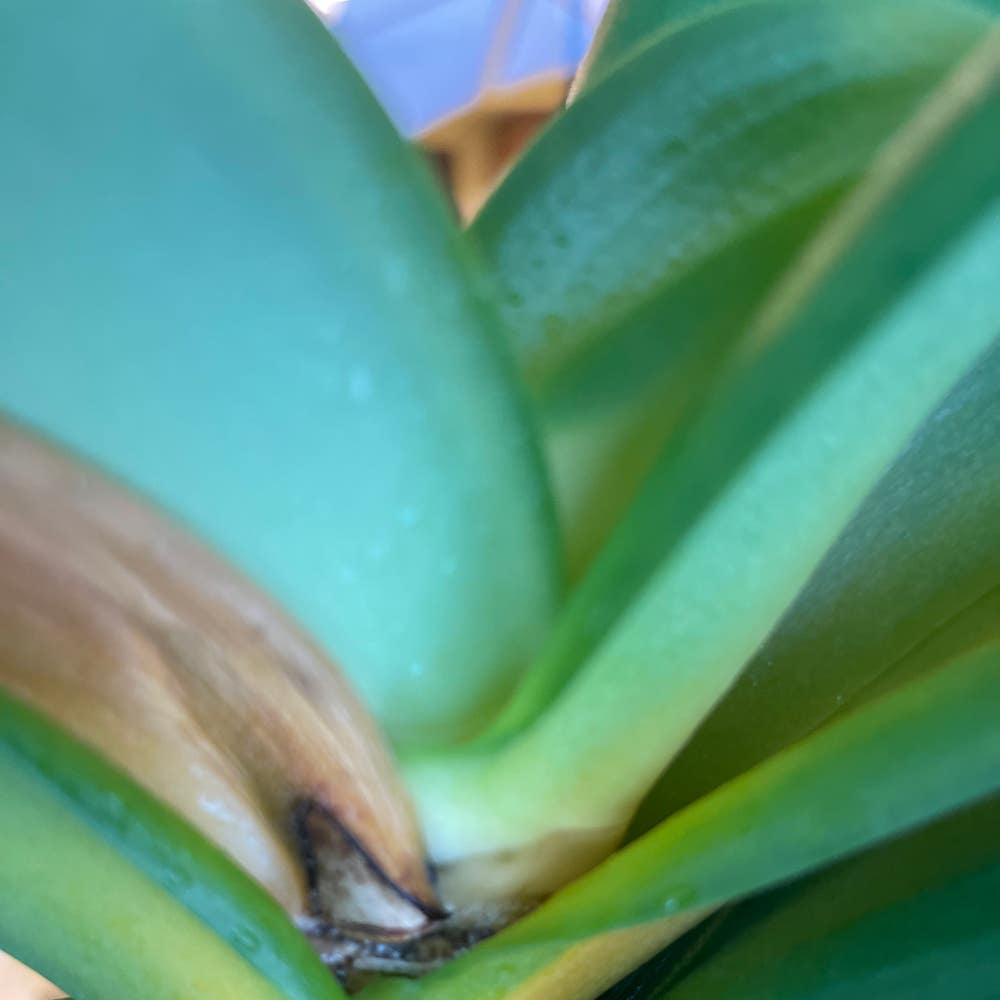
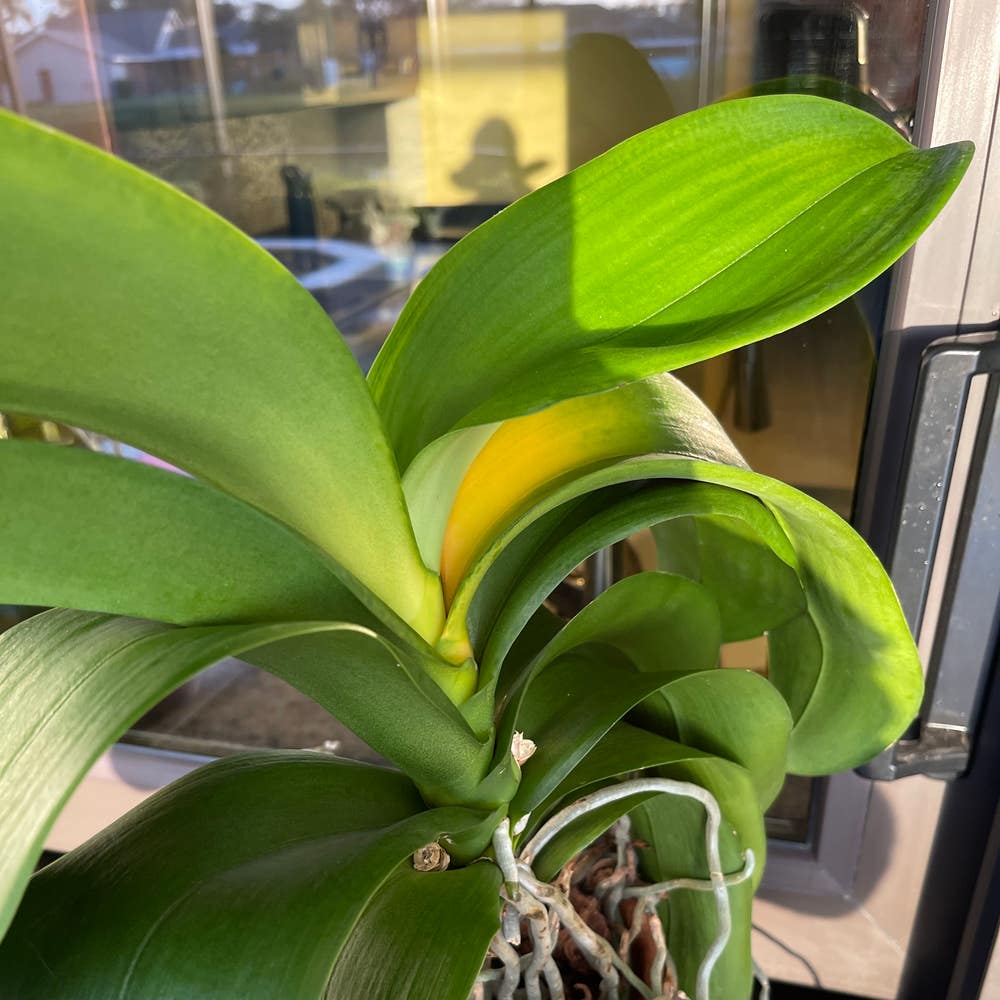
Over-watering can be a sneaky problem for your Haemanthus. Look out for yellowing leaves and mushy stems, which are clear indicators that your plant is drowning.
Another serious sign is root rot. If you inspect the roots and find them dark and slimy, it’s time to take action. You might also notice a foul odor coming from the soil, which is a sure sign that things have gone awry.
💧 Signs of Under-Watering
On the flip side, under-watering can leave your plant looking sad and droopy. If you see wilting leaves and drooping stems, your Haemanthus is likely begging for a drink.
Check the leaf edges too; dry, crispy edges are a telltale sign of dehydration. Additionally, if you notice the soil pulling away from the pot edges, it’s a strong indication that it’s time to water.
Recognizing these signs early can help you maintain a healthy Haemanthus. Next, let’s explore effective watering techniques to keep your plant thriving.
Watering Techniques
Bottom-Watering Method 🌊
Bottom-watering is a simple yet esoil moisturenique for hydrating your Haemanthus.
- Start by filling a basin or tray with water.
- Place the pot in the water, allowing it to absorb moisture from the bottom.
- After about 30 minutes to 1 hour, remove the pot once the topsoil feels moist.
This method encourages deep root growth and hsoil moistureover-watering by allowing the plant to take up only what it needs.
Self-Watering Pots 💧
Self-watering pots are a game changer for plant care.
These pots come equipped with a reservoir that maintains consistent moisture levels, reducing the risk of both over and under-watering.
They are particularly beneficial for busy plant parents, asHaemanthus ensure your Haemanthus gets the hydration it needs without constant monitoring.
With self-watering pots, you can enjoy peace of mind knowing your plant is thriving, even when life gets hectic.
In the next section, we’ll explore how to measure soil moisture effectively, ensuring your watering routine is always on point.
Measuring Soil Moisture
🛠️ Tools for Measuring Moisture Levels
To ensure your Haemanthus thrives, using the right tools to measure soil moisture is essential. Soil moisture meters, available in both digital and analog formats, provide accurate readings to help you determine when to water.
When selecting a moisture meter, look for affordable options that have good reviews. Many budget-friendly models can effectively gauge moisture levels without breaking the bank.
👋 How to Check Soil Moisture Manually
If you prefer a hands-on asoil moistureking soil moisture manually is straightforward.
- Insert a finger or stick into the soil up to 2 inches deep.
- Assess moisture: If the soil feels dry, it’s time to water; if it’s damp, wait a few days.
- For an additional check, visually inspect the surface for signs of moisture.
By regularly monitoring soil moisture, you can prevent over or under-watering, ensuring your Haemanthus remains healthy and vibrant.
As you become more familiar with your plant's needs, consider integrating technology like the Greg Plant Care App to streamline your watering schedule.
Watering Schedule and Reminders
🌱 Using the Greg Plant Care App
Keeping track of your Haemanthus watering schedule can be a breeze with the Greg Plant Care app. This handy tool offers features specifically designed for plant enthusiasts, allowing you to schedule watering times effortlessly.
⏰ Customizable Reminders
One of the standout features of the app is its customizable reminders. You can set alerts based on your plant's specific needs and the environmental conditions in your home. This ensures that you never forget to water your Haemanthus, keeping it healthy and thriving.
By utilizing the Greg Plant Care app, you can take the guesswork out of your watering routine. With timely reminders, you can focus more on enjoying your plants rather than worrying about their care.
Incorporating technology into your plant care routine not only simplifies the process but also enhances your connection with your Haemanthus. Now, let’s explore how to measure soil moisture effectively to ensure your plant gets just the right amount of water.
⚠️ Safety First
This content is for general information and may contain errors, omissions, or outdated details. It is not medical, veterinary advice, or an endorsement of therapeutic claims.
Always consult a qualified healthcare professional before using any plant as food, medicine, or supplement.
Never eat any plant (or feed one to pets) without confirming its identity with at least two trusted sources.
If you suspect poisoning, call Poison Control (800) 222-1222, the Pet Poison Helpline (800) 213-6680, or your local emergency service immediately.
Spotted an error? Please report it here.
Keep your Haemanthus thriving 🌱 by adjusting your watering routine with the seasons, and let Greg provide you with custom reminders to ensure your plant gets the perfect amount of water!