❄️ How to Care for Your Haemanthus in Winter
Haemanthus virescens var. intermedius
By the Greg Editorial Team
Nov 24, 2024•4 min read
This article was created with the help of AI so we can cover more plants for you. May contain errors. See one? Report it here.
Unlock your Haemanthus's potential this winter 🌱 with essential care tips for a thriving spring bloom! 🌼
- 💧 Reduce watering frequency in winter; let top inch of soil dry out.
- 🌡️ Maintain indoor temperatures between 15°C to 20°C for optimal Haemanthus care.
- 🌞 Provide bright, indirect light indoors to keep your Haemanthus healthy during winter.
Winter Care Requirements
🌊 Adjusting Watering Schedule
To keep your Haemanthus healthy during winter, it's crucial to adjust your watering schedule. Reduce watering frequency to prevent bulb rot, allowing the top inch of soil to dry out before rewatering.
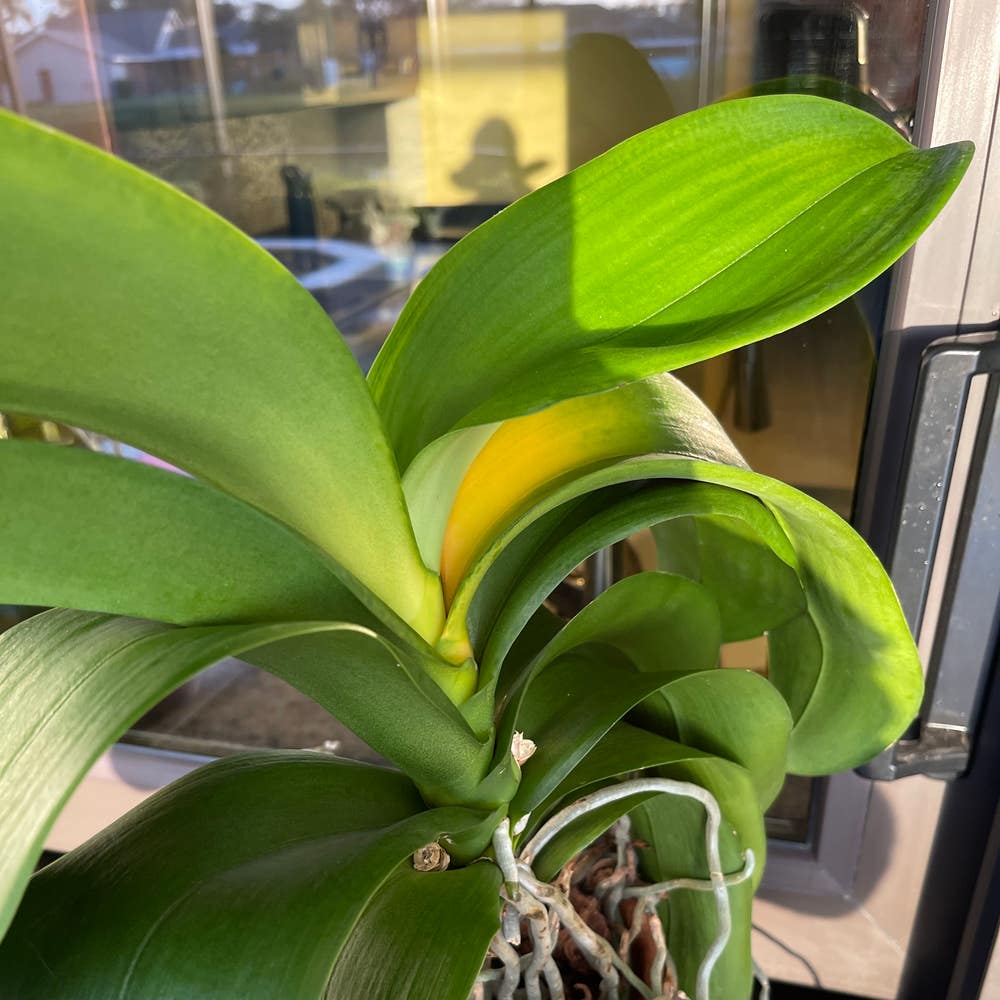
Watch for signs of overwatering, such as yellowing leaves or mushy bulbs. These indicators can help you avoid damaging your plant during its dormant phase.
❄️ Fertilizing During Winter
When it comes to fertilization, less is more during winter dormancy. Aim for minimal to no fertilization, but if necessary, use a diluted, balanced fertilizer to provide essential nutrients.
Proper nutrient management is vital. It prevents harmful nutrient buildup that can stress or damage the bulb.
🏠 Indoor Care During Cold Months
Indoor care is essential for your Haemanthus during the colder months. Provide bright, indirect light to maintain its health and vitality.
Temperature matters too; keep indoor conditions between 15°C to 20°C (59°F to 68°F). Additionally, maintaining moderate humidity levels will help prevent stress on your plant.
By following these winter care requirements, you can ensure your Haemanthus thrives until spring arrives. Next, let's explore effective frost protection strategies to safeguard your plant from the cold.
Frost Protection Strategies
🌨️ Methods for Protecting from Frost
When winter frost threatens your Haemanthus, proactive measures can make all the difference. Start by covering your plants with frost cloths or burlap to shield them from the biting cold.
Mulching is another effective strategy. Apply a thick layer of mulch around the base of your bulbs to provide insulation and retain warmth.
If your Haemanthus is in a pot, consider relocating it. Moving containerized plants indoors or to a sheltered area during frost warnings can prevent damage and ensure their survival.
❄️ Identifying Signs of Frost Damage
After a frost, it's crucial to check for signs of damage. Look for blackened or mushy leaves, which indicate that your plant has suffered from the cold.
Wilting can also be a symptom of frost damage. Assess the extent of the damage to determine the necessary adjustments in care to help your Haemanthus recover.
By being vigilant and taking these protective steps, you can help your Haemanthus thrive even in the harshest winter conditions. Now, let’s explore how to prepare for spring growth and recovery.
Spring Preparation and Recovery
Signs of Recovery from Winter Damage 🌱
As winter fades, keep an eye out for new growth emerging from your Haemanthus. Fresh shoots are a clear indicator that your plant is bouncing back from its winter dormancy.
Additionally, vibrant, green leaves signal successful survival through the colder months. Healthy foliage is a good sign that your plant is ready to thrive again.
Preparing for Spring Growth 🌼
To help your Haemanthus transition into spring, gradually reintroduce it to sunlight. Acclimate your plant to brighter conditions over the course of a week to avoid shock.
Next, adjust your watering schedule. As temperatures rise and growth resumes, increase the frequency of watering to support your plant's revitalization.
Finally, resume fertilization as new growth appears. Regular feeding will provide the necessary nutrients for your Haemanthus to flourish in the warmer months ahead.
With these steps, you'll ensure your Haemanthus is well-prepared for the vibrant growth of spring. Transitioning into the next section, let's explore the cold hardiness of different Haemanthus species and how to care for them in colder climates.
Cold Hardiness
🌡️ Cold Hardiness in Different Species
Haemanthus species exhibit varying levels of cold hardiness, which is crucial for gardeners in colder climates. Some species, like Haemanthus albiflos, can tolerate light frost, while others may struggle when temperatures drop.
Understanding these differences helps you choose the right species for your environment. For instance, Haemanthus montanus is known for its resilience in cooler conditions, making it a great option for those facing harsher winters.
❄️ Best Practices for Cold Climate Care
Monitoring temperatures is essential for the health of your Haemanthus. Regularly check local forecasts to anticipate cold snaps and adjust your care accordingly.
Seasonal adjustments are key to successful winter care. If you live in a particularly cold area, consider moving your plants indoors or providing extra insulation to protect them from extreme conditions.
By staying proactive, you can ensure your Haemanthus thrives even in the chill of winter. This attention to detail will pay off as your plants emerge healthy and vibrant in the spring.
⚠️ Safety First
This content is for general information and may contain errors, omissions, or outdated details. It is not medical, veterinary advice, or an endorsement of therapeutic claims.
Always consult a qualified healthcare professional before using any plant as food, medicine, or supplement.
Never eat any plant (or feed one to pets) without confirming its identity with at least two trusted sources.
If you suspect poisoning, call Poison Control (800) 222-1222, the Pet Poison Helpline (800) 213-6680, or your local emergency service immediately.
Spotted an error? Please report it here.
Keep your Haemanthus thriving ❄️ this winter with Greg's tailored care tips and reminders, ensuring it emerges healthy and vibrant come spring!