Step-by-Step Guide to Haemanthus Flowers 🌸
Haemanthus virescens var. intermedius
By the Greg Editorial Team
Nov 24, 2024•4 min read
This article was created with the help of AI so we can cover more plants for you. May contain errors. See one? Report it here.
Uncover the stunning resilience of Haemanthus flowers, thriving even when they don’t bloom! 🌸
- 🌸 Haemanthus flowers bloom in late winter to spring, lasting 2-3 weeks.
- 🌞 Provide full sun and well-drained soil for optimal growth and blooming.
- 🌍 Native to southern Africa, these resilient plants adapt well to various environments.
If Haemanthus Flowers
🌸 Flower Characteristics
Haemanthus flowers are truly captivating, characterized by their tall, erect flower spikes that can reach up to 30 cm (12 inches). These spikes showcase a variety of colors, with common hues including red, pink, and white; some species even boast striking white flowers that stand out in any garden.
Most Haemanthus species are self-pollinating, which means they can produce seeds without needing external help. However, a few may require the assistance of pollinators, adding a layer of complexity to their reproductive strategy.
🌼 Blooming Process
The blooming process begins with initial bud formation, typically occurring in late winter to early spring. Following this, the blooming period usually spans from late spring to early summer, depending on the specific species.
From the moment buds form, it takes approximately 4-6 weeks for the flowers to reach full bloom. Once they bloom, these flowers have a lifespan of about 2-3 weeks before wilting, making their brief appearance all the more special.
🌱 Encouraging Blooms
To encourage Haemanthus blooms, providing adequate light is crucial; they thrive in full sun to partial shade. Additionally, ensure the soil is well-drained and avoid overwatering to keep the plants healthy.
Fertilization plays a key role as well; using a balanced fertilizer during the growing season can significantly boost blooming potential. Factors such as seasonal changes in temperature and light duration can also influence flowering, alongside the overall health of the bulbs.
🌙 Post-Flowering
After the flowering phase, the plant enters a dormancy period, during which its foliage may die back. However, it's important to note that most Haemanthus species do not die after flowering; they can continue to thrive and produce blooms in subsequent years.
🐝 Pollination Methods
Pollination in Haemanthus can occur naturally, with insects like bees playing a vital role in the process. For those interested in manual pollination, there are techniques available to assist in this process if needed, ensuring successful reproduction even in the absence of natural pollinators.
This understanding of Haemanthus flowering sets the stage for appreciating their unique beauty and resilience. Next, we will explore what happens when Haemanthus doesn’t flower, delving into their ornamental features and reproductive strategies.
If Haemanthus Doesn't Flower
🌿 Primary Ornamental or Functional Features
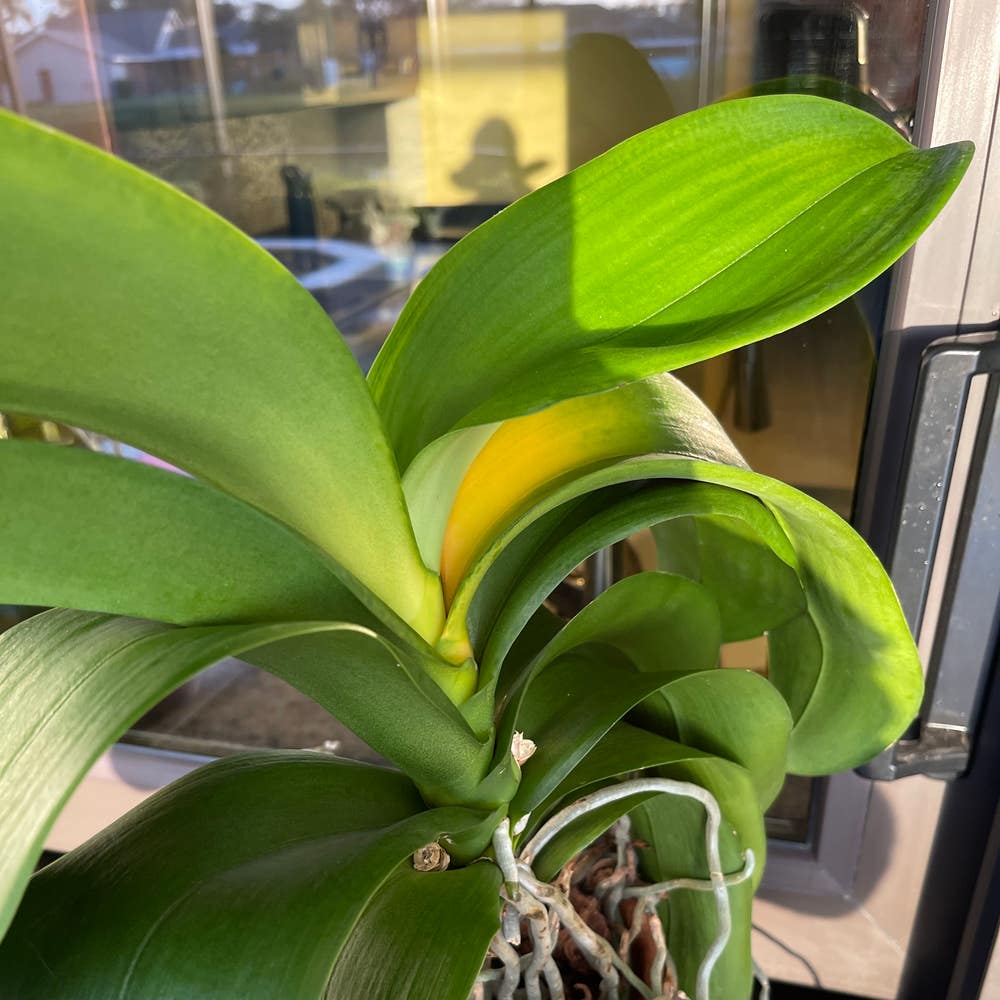
Even without their stunning blooms, Haemanthus plants are a sight to behold. Their thick, strap-like leaves create an attractive foliage display that can enhance any garden.
These leaves are not just beautiful; they serve practical purposes too. Haemanthus is often used for ground cover or in rock gardens, adding unique texture and greenery to landscapes.
🌱 Reproductive Strategies Without Flowers
Haemanthus has clever ways to reproduce even when flowers are absent. One of the primary methods is through vegetative reproduction, specifically bulb division.
Bulb Division Explained
Timing is crucial for successful bulb division. The best time to separate bulbs is during the plant's dormant period, ensuring minimal stress on the plant.
To divide the bulbs, carefully separate them and replant in well-draining soil. This method allows for propagation without the need for flowering, ensuring your Haemanthus can thrive and multiply.
In summary, even if your Haemanthus doesn't flower, its foliage and ability to reproduce vegetatively make it a valuable addition to your garden. Next, let’s explore some unique aspects of these fascinating plants.
Unique Aspects
Unusual Flowering Characteristics 🌸
Haemanthus flowers have some fascinating traits, particularly the "death bloom" phenomenon. In certain species, the plant may die back after flowering, but this is not a widespread occurrence.
Adaptability and Trivia 🌍
These plants are native to southern Africa, thriving in specific light conditions and well-drained soils. Their adaptability allows them to flourish in various environments, making them a unique addition to any garden.
Reproductive Strategies 🌱
Haemanthus showcases remarkable reproductive strategies, including vegetative reproduction through bulb division. This method allows the plant to propagate even without flowering, ensuring its survival and spread.
Conclusion
Understanding these unique aspects of Haemanthus can deepen your appreciation for these resilient plants. Their intriguing characteristics and adaptability make them a captivating choice for gardeners and plant enthusiasts alike.
⚠️ Safety First
This content is for general information and may contain errors, omissions, or outdated details. It is not medical, veterinary advice, or an endorsement of therapeutic claims.
Always consult a qualified healthcare professional before using any plant as food, medicine, or supplement.
Never eat any plant (or feed one to pets) without confirming its identity with at least two trusted sources.
If you suspect poisoning, call Poison Control (800) 222-1222, the Pet Poison Helpline (800) 213-6680, or your local emergency service immediately.
Spotted an error? Please report it here.
Unlock the blooming potential of your Haemanthus flowers 🌸 with Greg's tailored care reminders and expert tips to keep them thriving year after year!