Optimal Temperature for Your Haemanthus 🌡️
Haemanthus virescens var. intermedius
By the Greg Editorial Team
Nov 24, 2024•5 min read
This article was created with the help of AI so we can cover more plants for you. May contain errors. See one? Report it here.
Unlock your Haemanthus's full potential 🌱 by mastering its temperature needs and stress signs for vibrant growth!
- 🌡️ Optimal temperature for Haemanthus is 60°F to 80°F (15°C to 27°C) for growth.
- ❄️🔥 Avoid temperatures below 50°F or above 90°F to prevent stress and damage.
- 🌱 Monitor for signs of temperature stress like wilting leaves and reduced flowering.
Temperature Needs
Optimal Temperature Range 🌡️
For your Haemanthus, the ideal temperature range is between 60°F to 80°F (15°C to 27°C). Maintaining these temperatures is crucial for promoting healthy growth and vibrant blooms.
Different varieties of Haemanthus may have specific temperature needs. For instance, some flowering types may thrive better at slightly warmer temperatures, so it's essential to know your plant's preferences.
Effects of Temperature Extremes ❄️
Cold tolerance is a significant factor for Haemanthus. When temperatures drop below 50°F (10°C), your plant may show stress symptoms, which can lead to damage in its bulbous roots and leaves.
On the flip side, heat stress occurs when temperatures exceed 90°F (32°C). This can severely impact flowering and overall plant vigor, making it vital to monitor temperature conditions closely.
By understanding these temperature needs and effects, you can create an optimal environment for your Haemanthus, ensuring it thrives throughout the seasons.
Signs of Temperature Stress
🌡️ Visual Indicators
Temperature stress can manifest in several noticeable ways. One of the first signs is wilting or drooping leaves, which indicate that your Haemanthus is struggling to cope with its environment.
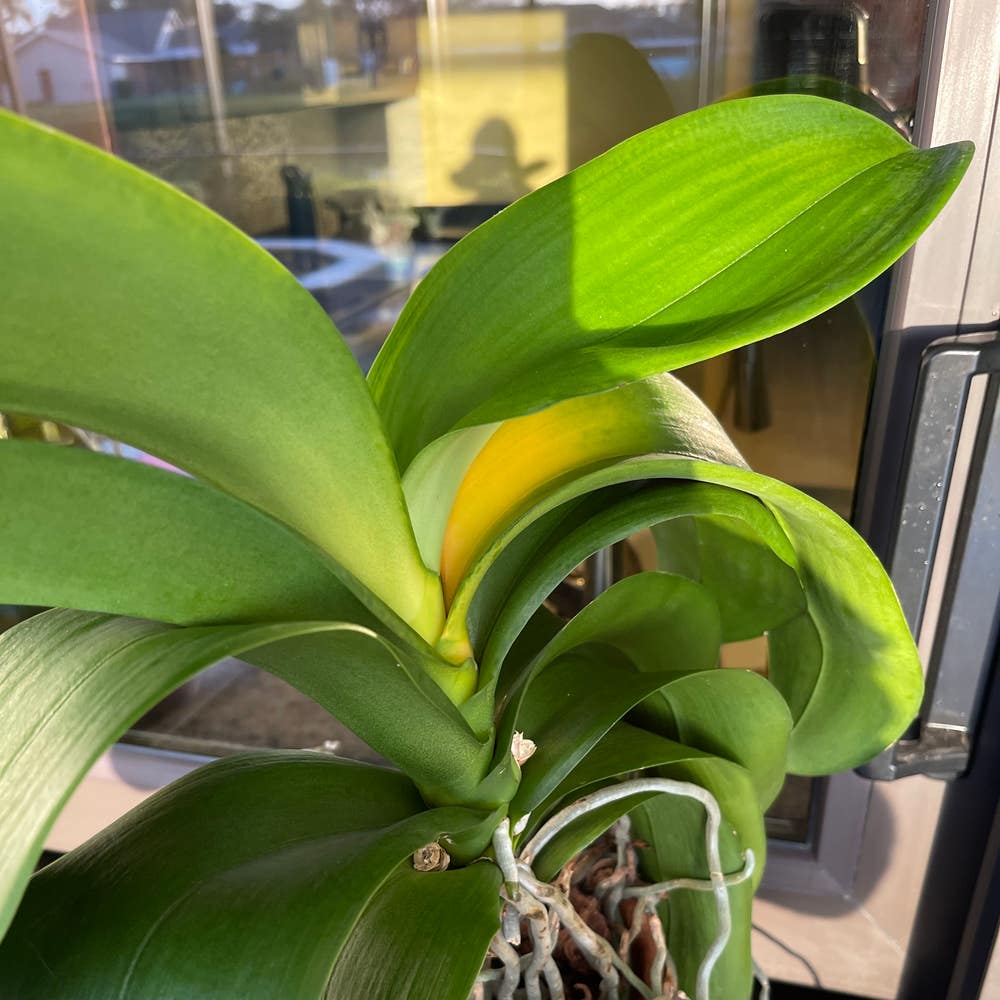
Another common visual cue is leaf discoloration. You might see yellowing or browning leaves, signaling that the plant is not thriving. Additionally, stunted growth or a failure to thrive can occur, suggesting that the plant is not receiving the optimal conditions it needs.
🐢 Behavioral Changes
Behavioral changes in your Haemanthus can also signal temperature stress. You may notice reduced flowering or delayed blooming, which can be frustrating if you're eagerly awaiting those beautiful blooms.
These signs are crucial to monitor, as they can help you identify and rectify temperature issues before they cause lasting damage to your plant. By staying attentive to these indicators, you can ensure your Haemanthus remains healthy and vibrant.
Understanding these signs sets the stage for addressing the causes of temperature stress effectively. Let's explore what might be triggering these issues in your plant.
Causes of Temperature Stress
🌡️ Sudden Fluctuations
Temperature stress in Haemanthus often arises from sudden fluctuations in their environment. Rapid changes, whether indoors or outdoors, can shock the plant and lead to stress.
🛡️ Inadequate Protection
Inadequate protection during extreme weather events can exacerbate temperature stress. For instance, a lack of insulation during cold snaps can leave your plants vulnerable to chilling temperatures.
Conversely, insufficient shade during heatwaves can cause overheating, impacting their health. It's crucial to anticipate these conditions to safeguard your Haemanthus effectively.
Understanding these causes will help you take proactive measures to maintain a stable environment for your plants. This awareness sets the stage for effective temperature management techniques, ensuring your Haemanthus thrives year-round.
Seasonal Considerations
🌡️ Temperature Changes Throughout the Year
Understanding how temperature changes throughout the year can significantly impact your Haemanthus.
Spring is the perfect time for growth initiation, with temperatures ideally ranging from 60°F to 80°F (15°C to 27°C). This is when your plant will start to wake up from dormancy, so ensure it gets the warmth it needs.
As we move into summer, keep a close eye on heat stress. Temperatures exceeding 90°F (32°C) can hinder flowering and overall vigor, so monitoring is key.
In fall, prepare your Haemanthus for dormancy by gradually introducing cooler temperatures. This transition helps the plant conserve energy for the winter months ahead.
Finally, during winter, it's crucial to protect your plant from cold extremes. Temperatures below 50°F (10°C) can cause stress and damage to the bulbous roots and leaves.
🌦️ Adjusting Care Based on Seasonal Variations
Adapting your care routine according to seasonal variations is essential for your Haemanthus's health.
Start by modifying your watering schedule as temperatures change. In warmer months, your plant may require more frequent watering, while in cooler months, you can reduce the frequency.
Additionally, implement protective measures during extreme temperature events. For instance, use frost covers during unexpected cold snaps or provide shade during heatwaves. These adjustments will help your Haemanthus thrive throughout the year.
By staying attuned to seasonal changes and adjusting your care accordingly, you can ensure your Haemanthus remains healthy and vibrant. Next, let’s explore effective temperature management techniques to further support your plant's growth.
Temperature Management Techniques
Indoor Control 🌡️
To keep your Haemanthus thriving indoors, aim for a temperature range of 60°F to 80°F (15°C to 27°C). This is the sweet spot for optimal growth, so monitor your indoor environment closely.
Using heating mats or grow lights can be a game changer during colder months. These tools help maintain warmth, ensuring your plant stays cozy and healthy.
Outdoor Protection Strategies 🛡️
When it comes to protecting your Haemanthus from cold, mulching is your best friend. A thick layer of mulch can insulate the soil and shield the bulbs from frost damage.
During extreme heat, consider using shade cloths to provide relief. Positioning your plants strategically in the garden can also help them avoid the harshest sun, keeping them cool and happy.
By implementing these temperature management techniques, you can create an ideal environment for your Haemanthus to flourish. Next, let’s explore the seasonal considerations that affect your plant’s growth throughout the year.
⚠️ Safety First
This content is for general information and may contain errors, omissions, or outdated details. It is not medical, veterinary advice, or an endorsement of therapeutic claims.
Always consult a qualified healthcare professional before using any plant as food, medicine, or supplement.
Never eat any plant (or feed one to pets) without confirming its identity with at least two trusted sources.
If you suspect poisoning, call Poison Control (800) 222-1222, the Pet Poison Helpline (800) 213-6680, or your local emergency service immediately.
Spotted an error? Please report it here.
Keep your Haemanthus flourishing with optimal temperatures 🌡️ by using Greg's tailored reminders and tips to create the perfect environment for vibrant blooms!