5 Tips for Healing Leaves Falling Over on Your Haemanthus 🩹
Haemanthus virescens var. intermedius
By the Greg Editorial Team
Nov 24, 2024•5 min read
This article was created with the help of AI so we can cover more plants for you. May contain errors. See one? Report it here.
Transform your drooping Haemanthus into a thriving beauty 🌿 by mastering essential care tips and preventing common issues!
- 🌱 Leaf droop in Haemanthus often results from overwatering, underwatering, or nutrient deficiencies.
- 🐛 Regular pest inspections are crucial to prevent damage and maintain healthy leaves.
- 💧 Establish a consistent watering schedule to avoid root rot and dehydration issues.
Causes of Leaf Droop
🕵️♂️ Identifying Causes of Leaf Droop
Understanding why your Haemanthus leaves are drooping is crucial for effective care. Here are the primary culprits that could be causing this distress.
💧 Overwatering
Excess moisture can lead to root rot, a common issue for many plant owners. If your plant's roots are sitting in water, they can suffocate and decay, resulting in droopy leaves.
🚰 Underwatering
On the flip side, insufficient moisture can cause dehydration. If the soil feels dry and your leaves are wilting, it’s a clear sign that your Haemanthus needs a drink.
🥦 Nutrient Deficiencies
A lack of essential nutrients can weaken leaf strength. If your plant isn’t getting enough nitrogen, phosphorus, or potassium, you may notice drooping leaves as a symptom.
🌪️ Environmental Stress
Sudden changes in temperature or humidity can stress your plant. If you’ve recently moved your Haemanthus or experienced a drastic weather change, this could be the reason for its droop.
🐛 Pest Infestations
Pests like aphids or mealybugs can damage your plant, weakening its structure. Regular inspections can help catch these infestations early, preventing further leaf droop.
By identifying these causes, you can take the necessary steps to revive your Haemanthus. Next, let’s explore the signs of unhealthy leaves to further understand your plant's needs.
Signs of Unhealthy Leaves
Recognizing Symptoms of Leaf Issues 🌿
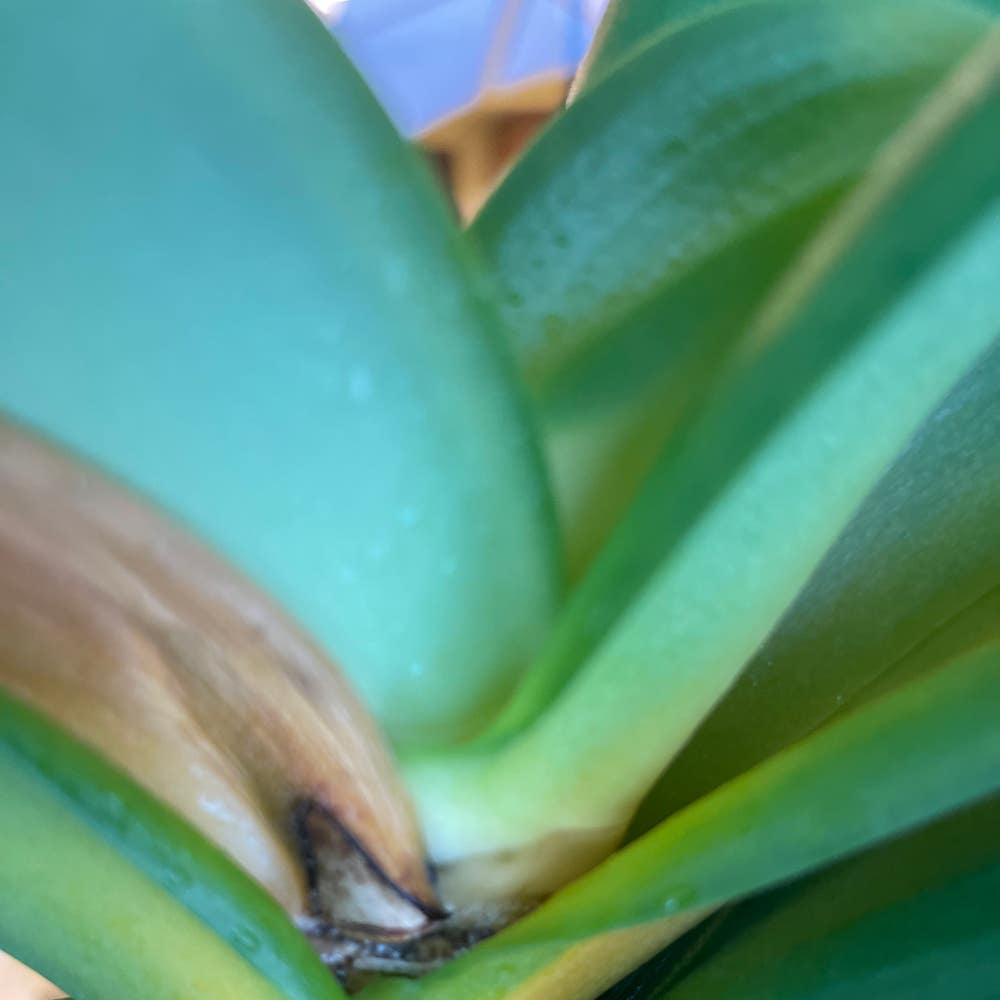
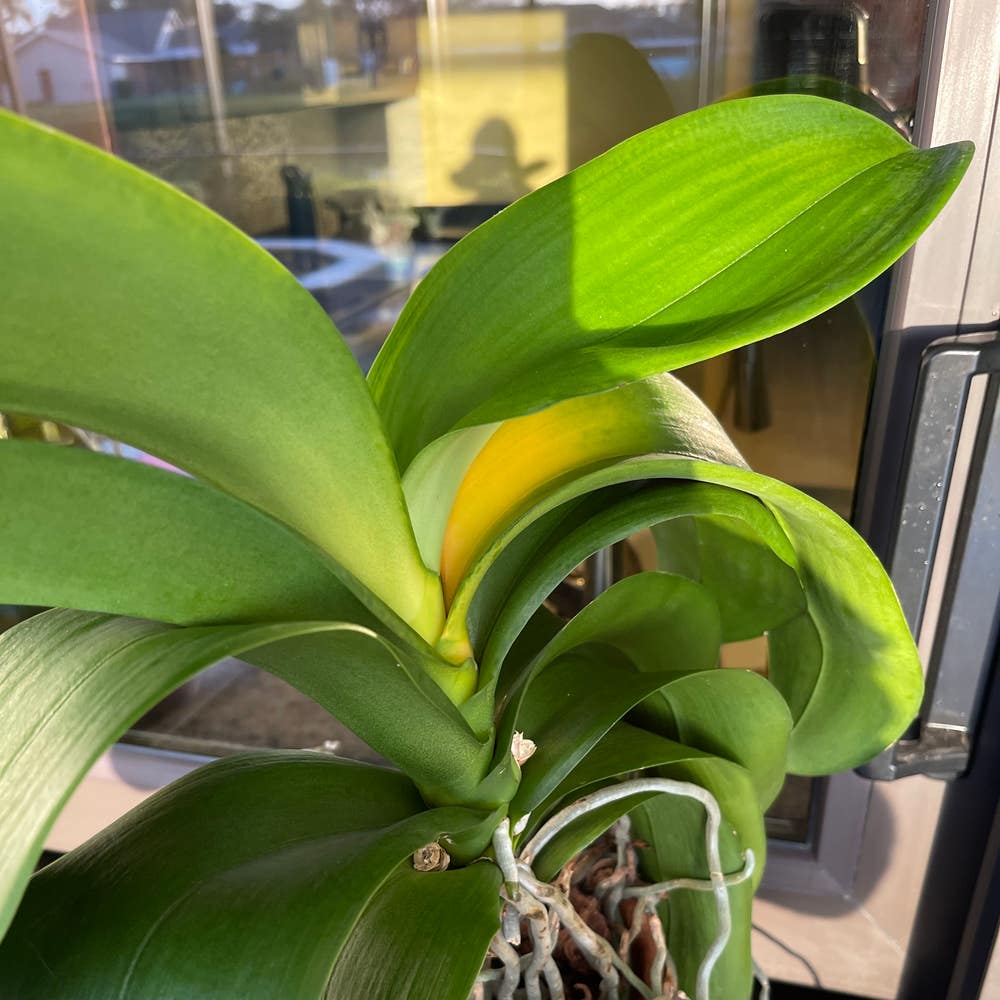
When your Haemanthus shows signs of distress, the leaves often reveal the underlying problems. One of the most common indicators is yellowing leaves, which can signal overwatering or a nutrient deficiency.
Another telltale sign is wilting or drooping leaves. This often points to dehydration or root issues that need immediate attention.
You might also notice brown tips or edges on the leaves. This can be a sign of underwatering or nutrient burn, both of which can compromise your plant's health.
Lastly, keep an eye out for leaf drop. A sudden loss of leaves can indicate stress or disease, and it’s crucial to address the root cause quickly.
Understanding these symptoms is vital for maintaining a healthy Haemanthus. By recognizing these signs early, you can take proactive steps to restore your plant's vitality and prevent further issues.
Next, we’ll explore how to manage pests and diseases that can affect your Haemanthus.
Pest and Disease Management
Treatment Methods for Pests and Diseases 🐞
Pests can wreak havoc on your Haemanthus, with aphids and mealybugs being the most common culprits. To combat these pests, consider using neem oil or insecticidal soap, both of which are effective and environmentally friendly options.
Identifying Root Rot 🥴
Root rot is a serious issue that can lead to the decline of your plant. Symptoms include mushy roots and yellowing leaves, signaling that your Haemanthus is in distress. To prevent root rot, ensure you maintain a proper watering schedule, allowing the soil to dry out between waterings.
Fungal Infections 🍄
Fungal infections can manifest as unsightly leaf spots or mold on your plant. To treat these issues, focus on improving air circulation around your Haemanthus and adjust your watering habits to avoid excess moisture, which can exacerbate fungal growth.
By staying vigilant and addressing these pest and disease challenges promptly, you can keep your Haemanthus healthy and thriving. Next, let’s explore how to address nutrient deficiencies to further support your plant’s well-being.
Fertilization and Nutrient Needs
🌱 Addressing Nutrient Deficiencies
To keep your Haemanthus thriving, using the right fertilizers is crucial. A balanced liquid fertilizer during the growing season can provide the essential nutrients your plant craves.
Recognizing signs of nutrient deficiencies early can save your plant from further distress. For instance, yellowing leaves often indicate a nitrogen deficiency, while stunted growth may signal a lack of phosphorus.
Regularly checking your plant's health can help you catch these issues before they escalate. By staying attentive to your Haemanthus, you can ensure it remains vibrant and strong.
Incorporating these fertilization practices will not only enhance your plant's growth but also contribute to its overall resilience. With the right care, your Haemanthus can flourish beautifully.
As you focus on nutrient needs, remember that preventive care strategies play a vital role in maintaining leaf health. Let's explore how routine practices can help you avoid leaf droop altogether.
Preventive Care Strategies
Routine Practices to Prevent Leaf Droop 🌿
Maintaining a healthy Haemanthus starts with a regular watering schedule. This ensures your plant receives the right amount of moisture without the risk of overwatering or underwatering.
Regular Watering Schedule 💧
Adhering to your plant's moisture needs is crucial. Check the soil regularly; it should be moist but not soggy.
Monitoring for Pests 🐜
Regular inspections for pests can save your plant from significant damage. Look for signs like sticky residue or webbing, which can indicate infestations.
Early Detection 🔍
Catching pest problems early allows for more effective treatment. Make it a habit to check your Haemanthus weekly, ensuring it stays healthy and vibrant.
By implementing these preventive care strategies, you can significantly reduce the chances of leaf droop. This proactive approach not only keeps your plant thriving but also enhances your gardening experience.
Next, let’s explore how to address nutrient deficiencies to further support your Haemanthus's health.
⚠️ Safety First
This content is for general information and may contain errors, omissions, or outdated details. It is not medical, veterinary advice, or an endorsement of therapeutic claims.
Always consult a qualified healthcare professional before using any plant as food, medicine, or supplement.
Never eat any plant (or feed one to pets) without confirming its identity with at least two trusted sources.
If you suspect poisoning, call Poison Control (800) 222-1222, the Pet Poison Helpline (800) 213-6680, or your local emergency service immediately.
Spotted an error? Please report it here.
Keep your Haemanthus thriving 🌱 by using Greg's tailored watering reminders and nutrient tracking to combat leaf droop and ensure vibrant growth!