How to Determine When Your Cyperus Needs Water 💧
Cyperus aucheri
By the Greg Editorial Team
Nov 26, 2024•5 min read
This article was created with the help of AI so we can cover more plants for you. May contain errors. See one? Report it here.
- 💧 Consistent moisture is crucial for Cyperus, mimicking its natural wetland habitat.
- 🌱 Adjust watering frequency based on temperature and humidity for optimal growth.
- ⚖️ Signs of over or under-watering include yellowing leaves and wilting. Check regularly!
Importance of Proper Watering
💧 Why Watering Matters
Watering your Cyperus plants is crucial because consistent moisture closely resembles their natural habitat in wetlands and marshy areas. This practice not only supports healthy growth but also promotes vibrant foliage and overall plant vitality.
⚠️ Consequences of Improper Watering
Improper watering can lead to serious issues. Over-watering often results in root rot and various diseases, while under-watering can cause wilting and stunted growth, leaving your plant struggling to thrive.
Understanding the importance of proper watering will set the foundation for your Cyperus's health. Next, let’s explore how often you should water your plants to keep them flourishing.
Frequency of Watering
🌊 General Watering Frequency
Water your Cyperus every 1-2 weeks, adjusting based on environmental conditions. Factors like temperature and humidity play a crucial role in determining how often you should water.
🌡️ Temperature Considerations
In higher temperatures, your plant may need more frequent watering to stay hydrated. Conversely, if humidity levels are elevated, you might find that your Cyperus requires less water.
🍂 Seasonal Variations
During spring and summer, when your Cyperus is actively growing, increase your watering frequency. As the seasons shift to fall and winter, reduce watering to accommodate the plant's slower growth rate.
Understanding these watering frequencies will help ensure your Cyperus thrives. With the right schedule, you can maintain its health and vibrancy throughout the year.
Recognizing Watering Issues
🚿 Signs of Over-Watering
Over-watering can be detrimental to your Cyperus. Look out for yellowing leaves, which often signal potential root rot.
Mushy stems are another red flag; if your plant's stems feel soft, it likely indicates excess moisture. Additionally, a foul odor can emerge, hinting at decaying roots.
💧 Signs of Under-Watering
On the flip side, under-watering presents its own set of challenges. Wilting leaves that droop and lose firmness are clear indicators that your plant needs more water.
If the soil feels dry to the touch, it's time to act. Brown leaf tips can also appear, signaling stress from a lack of moisture.
⚖️ Differentiating Between Over-Watering and Under-Watering
To accurately assess your plant's needs, perform a soil moisture test. Checking the moisture levels will help you determine whether your Cyperus is over-watered or under-watered.
Another helpful tip is to check the firmness of the stems. Triangular stems should feel firm; if they’re soft, it’s a sign of over-watering.
Understanding these signs will empower you to keep your Cyperus thriving. Next, let’s explore effective watering techniques to ensure your plant receives just the right amount of moisture.
Watering Techniques
Bottom-Watering Method 🌊
The bottom-watering method is a fantastic way to ensure your Cyperus gets the moisture it craves. By adding water to the bottom of the pot, the plant can absorb it through the drainage holes, mimicking its natural wetland habitat.
To implement this technique, follow these simple steps:
- Fill a basin with water.
- Place the pot in the basin and allow it to soak for 15-30 minutes.
- Remove the pot and let any excess water drain out.
This method not only promotes healthy root development but also helps prevent over-watering, making it a favorite among plant enthusiasts.
Using Self-Watering Pots 💧
Self-watering pots are another excellent option for keeping your Cyperus hydrated. These pots come equipped with a reservoir that provides consistent moisture, ensuring your plant thrives without the constant need for attention.
The benefits of self-watering pots are clear:
- They significantly reduce the risk of over-watering.
- They maintain steady moisture levels, which is crucial for your plant's health.
With self-watering pots, you can enjoy the beauty of your Cyperus without the stress of frequent watering.
As you explore these watering techniques, remember that understanding your plant's needs is key to its vitality. Next, we'll dive into how to measure soil moisture effectively to ensure your Cyperus is always in its optimal condition.
Measuring Soil Moisture
🌡️ Tools for Measuring Soil Moisture Levels
To ensure your Cyperus thrives, measuring soil moisture is essential. A moisture meter is a handy tool that provides accurate readings of soil moisture levels.
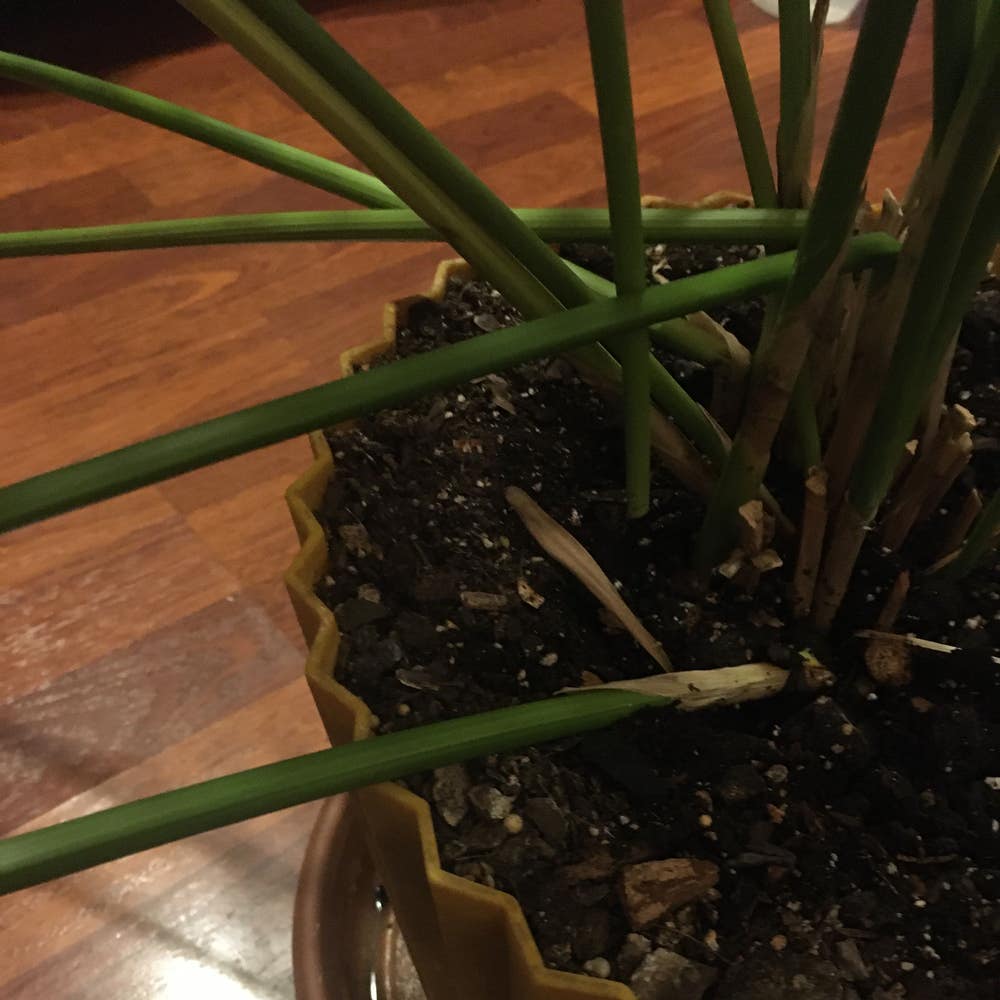
Alternatively, you can use the finger test. Simply insert your finger into the soil up to 2 inches to check how dry or moist it feels.
📝 Step-by-Step Guide
Follow these steps to assess your plant's moisture needs effectively:
- Use a moisture meter or perform the finger test.
- Assess the moisture level:
- If the soil feels moist, water as needed.
- If it feels dry, water immediately.
- If it feels wet, delay watering.
💧 Ideal Moisture Levels
Maintaining the right moisture level is crucial for your Cyperus. The soil should remain consistently moist but not waterlogged.
The ideal moisture level is when the soil feels damp but not saturated. This balance helps your plant flourish without the risk of root rot or wilting.
By regularly checking soil moisture, you can keep your Cyperus healthy and vibrant. This practice sets the stage for the next step in your plant care journey: establishing a watering schedule that aligns with your plant's needs.
Watering Reminders and Scheduling
🌱 Using the Greg Plant Care App
Keeping track of your Cyperus's watering needs can be a breeze with the Greg Plant Care App. This handy tool allows you to set reminders tailored to your plant's specific environmental conditions and needs.
You can also customize notifications for different Cyperus varieties, ensuring each plant gets the attention it deserves. This way, you’ll never forget when it’s time to water, keeping your plants thriving.
📅 Setting Up a Watering Schedule
Creating a watering schedule is essential for maintaining your Cyperus's health. Start by accounting for seasonal changes and the various growth stages your plant goes through.
As you monitor your plant's health and moisture levels, be ready to adjust the frequency of watering. This flexibility will help you respond to your plant's needs, ensuring it stays vibrant and healthy throughout the year.
With these tools and strategies, you can confidently nurture your Cyperus and enjoy its lush beauty. Next, let’s explore effective watering techniques to keep your plant hydrated and happy.
⚠️ Safety First
This content is for general information and may contain errors, omissions, or outdated details. It is not medical, veterinary advice, or an endorsement of therapeutic claims.
Always consult a qualified healthcare professional before using any plant as food, medicine, or supplement.
Never eat any plant (or feed one to pets) without confirming its identity with at least two trusted sources.
If you suspect poisoning, call Poison Control (800) 222-1222, the Pet Poison Helpline (800) 213-6680, or your local emergency service immediately.
Spotted an error? Please report it here.
Keep your Cyperus flourishing 🌿 by using Greg's personalized watering reminders to maintain the perfect moisture balance for vibrant growth!