Cyperus Is Not an Annual
Cyperus aucheri
By the Greg Editorial Team
Nov 26, 2024•3 min read
This article was created with the help of AI so we can cover more plants for you. May contain errors. See one? Report it here.
- 🌱 Cyperus is a perennial, thriving for multiple years with seasonal growth cycles.
- 🌿 Strong root systems ensure efficient nutrient absorption and stability in various climates.
- 🌊 Adapted to wet conditions, Cyperus captures sunlight while minimizing water loss effectively.
Cyperus as a Perennial
🌱 Genetic Characteristics
Cyperus is a fascinating genus that encompasses a diverse group of perennial plants. These plants are equipped with genetic adaptations that enable them to survive and regrow over time, making them resilient in various environments.
🌿 Physiological Traits Supporting Perennial Growth
Root System
One of the key features of Cyperus is its extensive root system. These plants develop robust roots and rhizomes that anchor them firmly in the soil and allow for nutrient absorption.
Stem Structure
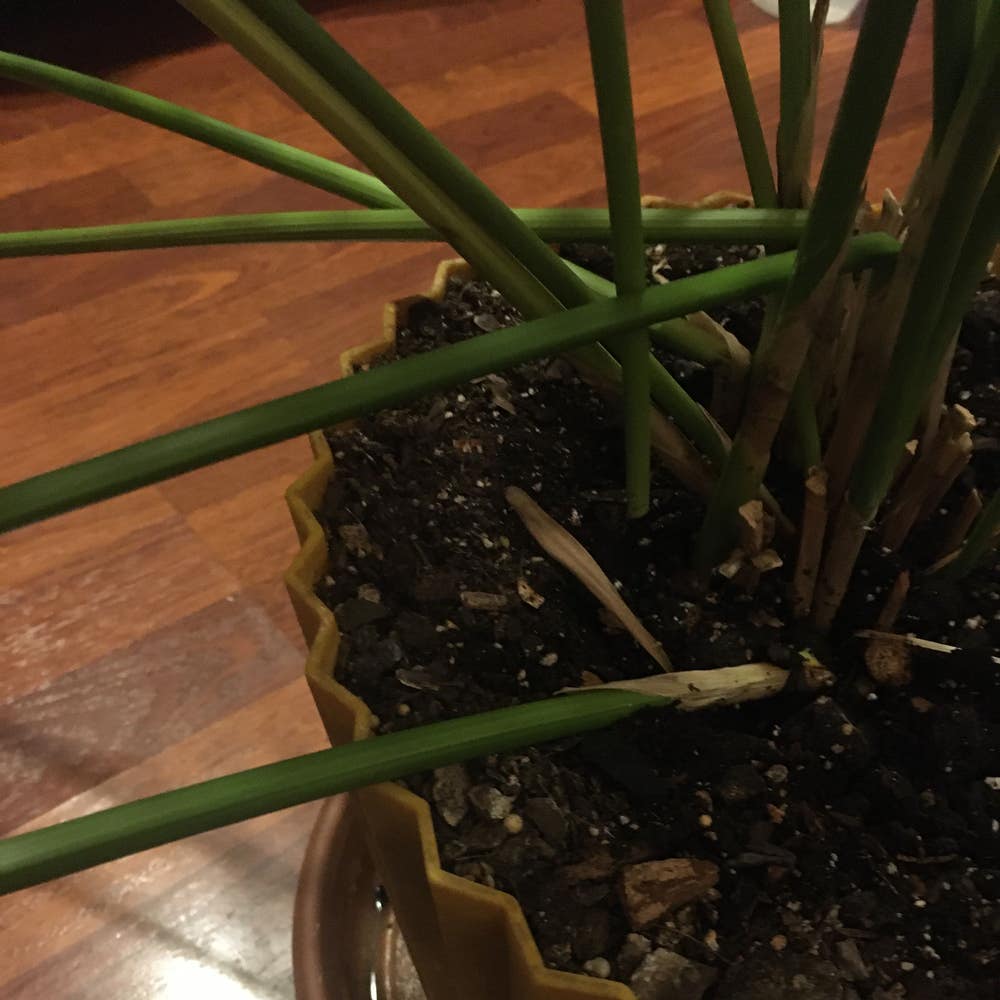
Cyperus plants exhibit a clumping growth habit characterized by slender stems. This structure not only supports their upright growth but also enhances their ability to thrive in dense populations.
Leaf Characteristics
The long, narrow leaves of Cyperus are specially adapted to wet conditions. This trait allows them to efficiently capture sunlight while minimizing water loss, crucial for their survival in aquatic or marshy habitats.
🌍 Long-Term Lifecycle
Growth Cycle
Cyperus follows a seasonal growth pattern, with distinct phases of active growth and dormancy. This cyclical nature allows them to conserve energy during unfavorable conditions.
Lifespan
These perennials have an impressive ability to survive and thrive over multiple years. Their longevity is a testament to their adaptability and resilience in various climates.
🌼 Growth and Reproductive Strategies
Growth Patterns
Cyperus exhibits a clumping habit, which can vary seasonally. This growth pattern helps them maximize space and resources, ensuring their continued success.
Flowering Cycles
The flowering cycles of Cyperus are frequent and structured. These plants produce flowers that attract pollinators, playing a vital role in their reproductive success.
Seed Production and Dispersal
Cyperus employs various mechanisms for seed generation and dispersal. This adaptability ensures that they can spread and colonize new areas effectively.
❓ Misconceptions and Exceptions
Conditions Leading to Annual-Like Behavior
Certain environmental factors and management practices can lead to Cyperus exhibiting annual-like behavior. Understanding these conditions is crucial for proper cultivation.
Regional Variations
Geographic influences can significantly affect the perception of Cyperus as an annual. In some regions, they may be treated as annuals due to local climate conditions.
🌸 Garden Design and Planning
Advantages in Perennial Garden Design
Incorporating Cyperus into perennial garden designs offers aesthetic appeal and ecological benefits. Their unique structure and adaptability can enhance the overall garden environment.
Tips for Integrating Cyperus
When integrating Cyperus, consider companion planting and strategic placement. These practices can optimize growth and create a harmonious garden ecosystem.
🛠️ Management and Longevity
Best Practices for Managing Cyperus
To ensure healthy growth, focus on proper watering needs and soil requirements. These factors are essential for maintaining the vitality of Cyperus plants.
Tips for Maximizing Longevity
Maximizing the longevity of Cyperus involves seasonal care and effective pest management strategies. Regular attention to these aspects will help your plants thrive for years to come.
As we delve deeper into the management and longevity of Cyperus, understanding these foundational aspects will empower you to cultivate a thriving garden.
⚠️ Safety First
This content is for general information and may contain errors, omissions, or outdated details. It is not medical, veterinary advice, or an endorsement of therapeutic claims.
Always consult a qualified healthcare professional before using any plant as food, medicine, or supplement.
Never eat any plant (or feed one to pets) without confirming its identity with at least two trusted sources.
If you suspect poisoning, call Poison Control (800) 222-1222, the Pet Poison Helpline (800) 213-6680, or your local emergency service immediately.
Spotted an error? Please report it here.
Unlock the perennial potential of your Cyperus plants 🌱 with Greg's tailored care tips and reminders, ensuring they thrive beautifully in your garden for years to come!