Ultimate Guide to Fixing Leaves Falling Over on Cyperus 💧
Cyperus aucheri
By the Greg Editorial Team
Nov 26, 2024•3 min read
This article was created with the help of AI so we can cover more plants for you. May contain errors. See one? Report it here.
- 🌡️ Ideal temperature for Cyperus is 65°F to 85°F to prevent drooping leaves.
- 💧 Maintain at least 50% humidity for healthy Cyperus growth and vibrant leaves.
- 🌱 Monitor soil moisture to avoid overwatering or underwatering, both cause drooping.
Causes of Leaves Falling Over
🌪️ Environmental Stress Factors
Temperature plays a crucial role in the health of your Cyperus. Ideally, keep it between 65°F to 85°F (18°C to 29°C) to prevent stress that can lead to drooping leaves.
Humidity is another key factor. Your Cyperus thrives in a minimum of 50% relative humidity, so if your home is too dry, it may start to show signs of distress.
⚠️ Common Issues Leading to Droop
Overwatering is a common pitfall for many plant owners. It can lead to root rot and waterlogged soil, causing your plant's leaves to droop and lose their vitality.
On the flip side, underwatering can also be detrimental. If the soil is too dry, you’ll notice wilting leaves that signal your plant is in need of water.
Nutrient deficiencies can further weaken your Cyperus. A lack of essential nutrients affects leaf strength, making them more susceptible to drooping.
Understanding these causes is the first step toward restoring your plant's health. Next, let's explore the symptoms that indicate your Cyperus is struggling.
Symptoms of Drooping Leaves
👀 Visual Indicators
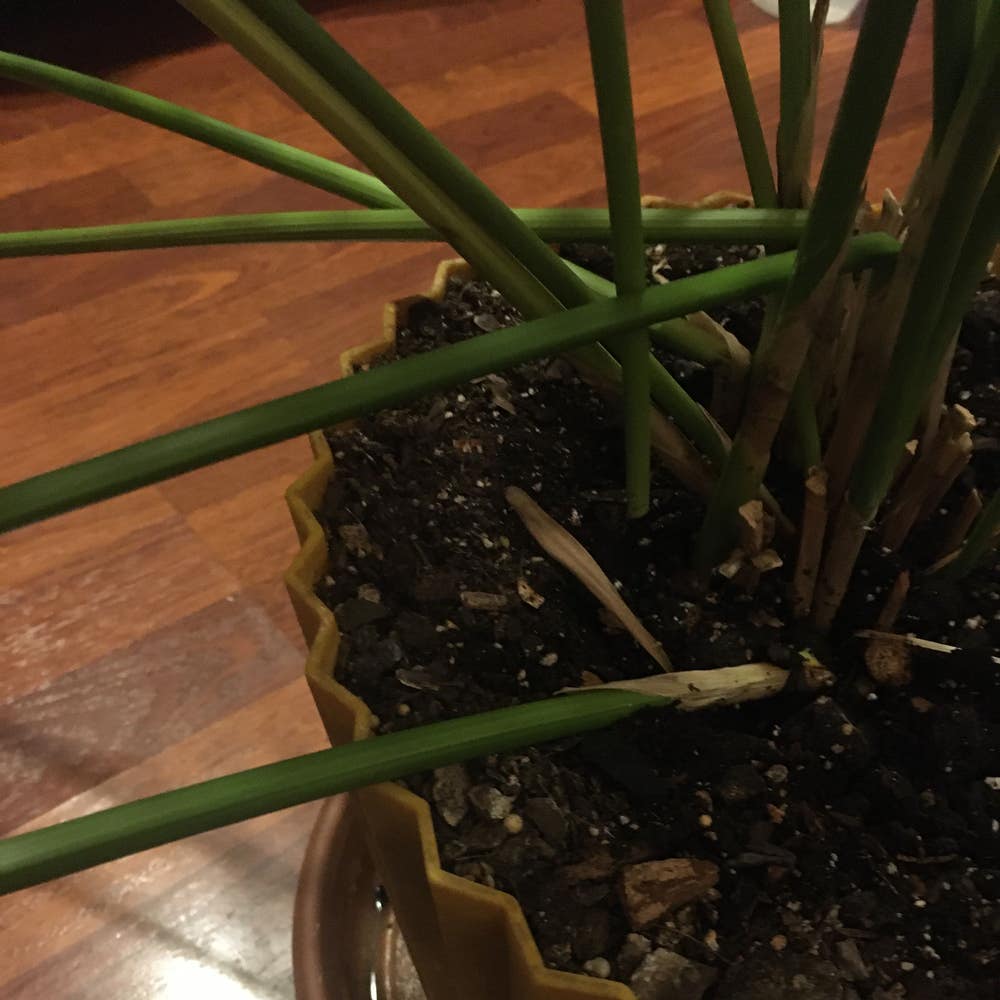
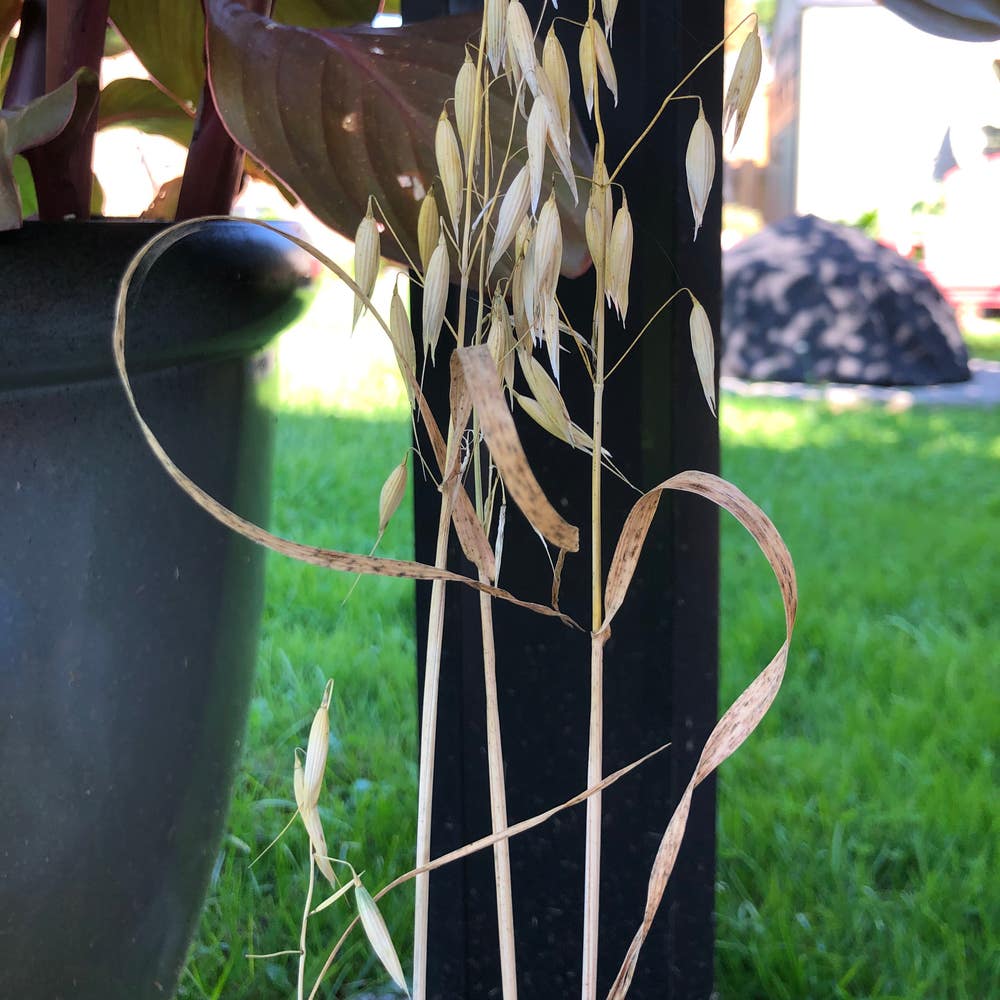
When your Cyperus starts to droop, the first signs are often quite noticeable. You may see the leaves bending or falling over, which can be alarming.
Another common symptom is yellowing or browning leaf tips. This discoloration indicates that your plant may be struggling with its environment or care.
Additionally, a wilting appearance can occur even if you believe you’re watering adequately. This paradox can be frustrating, but it’s a clear signal that something isn’t right.
Recognizing these visual indicators early can help you take action before the situation worsens. Keep an eye on your plant, and don’t hesitate to investigate further if you notice these symptoms.
Understanding these signs is crucial for maintaining a healthy Cyperus. By being proactive, you can ensure your plant thrives and avoids further issues.
Next, let’s explore the causes behind these drooping leaves to better understand how to address them.
Treatment and Prevention
Routine Care to Prevent Leaf Droop 🌿
To keep your Cyperus thriving, regular monitoring of moisture levels is crucial. Check the soil frequently to ensure it’s neither too dry nor overly saturated.
Adjusting humidity is another key factor in preventing droop. If you live in a dry environment, consider using a pebble tray or a humidifier to maintain the necessary moisture levels.
Seasonal Adjustments for Optimal Health 🌱
As seasons change, so should your care routine. During winter, reduce watering frequency and ensure your plant receives additional light to combat the shorter days.
In summer, it's essential to increase humidity and keep a close eye out for pests. This proactive approach will help maintain the health and vibrancy of your Cyperus throughout the year.
By implementing these treatment and prevention strategies, you can ensure your Cyperus remains strong and upright, ready to flourish. Next, let’s explore the symptoms of drooping leaves to better understand when your plant needs attention.
⚠️ Safety First
This content is for general information and may contain errors, omissions, or outdated details. It is not medical, veterinary advice, or an endorsement of therapeutic claims.
Always consult a qualified healthcare professional before using any plant as food, medicine, or supplement.
Never eat any plant (or feed one to pets) without confirming its identity with at least two trusted sources.
If you suspect poisoning, call Poison Control (800) 222-1222, the Pet Poison Helpline (800) 213-6680, or your local emergency service immediately.
Spotted an error? Please report it here.
Keep your Cyperus perky and vibrant 🌿 by using Greg's tailored watering reminders to ensure it gets just the right amount of moisture and care!