Ultimate Guide to Cyperus Lifecycle
Cyperus aucheri
By the Greg Editorial Team
Nov 26, 2024•5 min read
This article was created with the help of AI so we can cover more plants for you. May contain errors. See one? Report it here.
- 🌱 Cyperus seeds germinate in 7-14 days with proper moisture and temperature.
- 🌞 Light exposure enhances germination rates, crucial for healthy Cyperus growth.
- 🌿 Understanding Cyperus lifecycle stages aids in effective management and cultivation.
Seed Stage
Germination Process 🌱
The germination of Cyperus seeds is a fascinating process that begins when the seed absorbs water, triggering metabolic activities. This hydration is crucial as it activates enzymes that break down stored nutrients, providing the energy needed for the seedling's initial growth.
Moisture and temperature play pivotal roles in this stage. A consistent moisture level ensures that the seed remains hydrated, while the right temperature encourages optimal enzymatic activity.
Conditions for Successful Germination 🌡️
For successful germination, Cyperus seeds thrive in an ideal temperature range of 20°C to 30°C (68°F to 86°F). This warm environment promotes faster growth and development.
Soil type is equally important; a well-draining, moist substrate is essential to prevent waterlogging, which can hinder germination. Additionally, light exposure can significantly enhance germination rates, making it beneficial to provide some light during this stage.
Duration of the Seed Stage ⏳
Typically, the germination time for Cyperus seeds ranges from 7 to 14 days. However, this duration can vary based on several factors.
Soil moisture, temperature, and light conditions all influence how quickly seeds sprout. Ensuring optimal conditions can lead to a quicker transition to the next growth stage.
As we move forward, understanding the seedling stage will reveal how these young plants begin to establish themselves and thrive.
Seedling Stage
🌱 Characteristics of the Seedling Stage
The seedling stage marks a crucial phase in the life of Cyperus plants. During this time, the first leaves and root systems begin to develop, establishing a foundation for future growth.
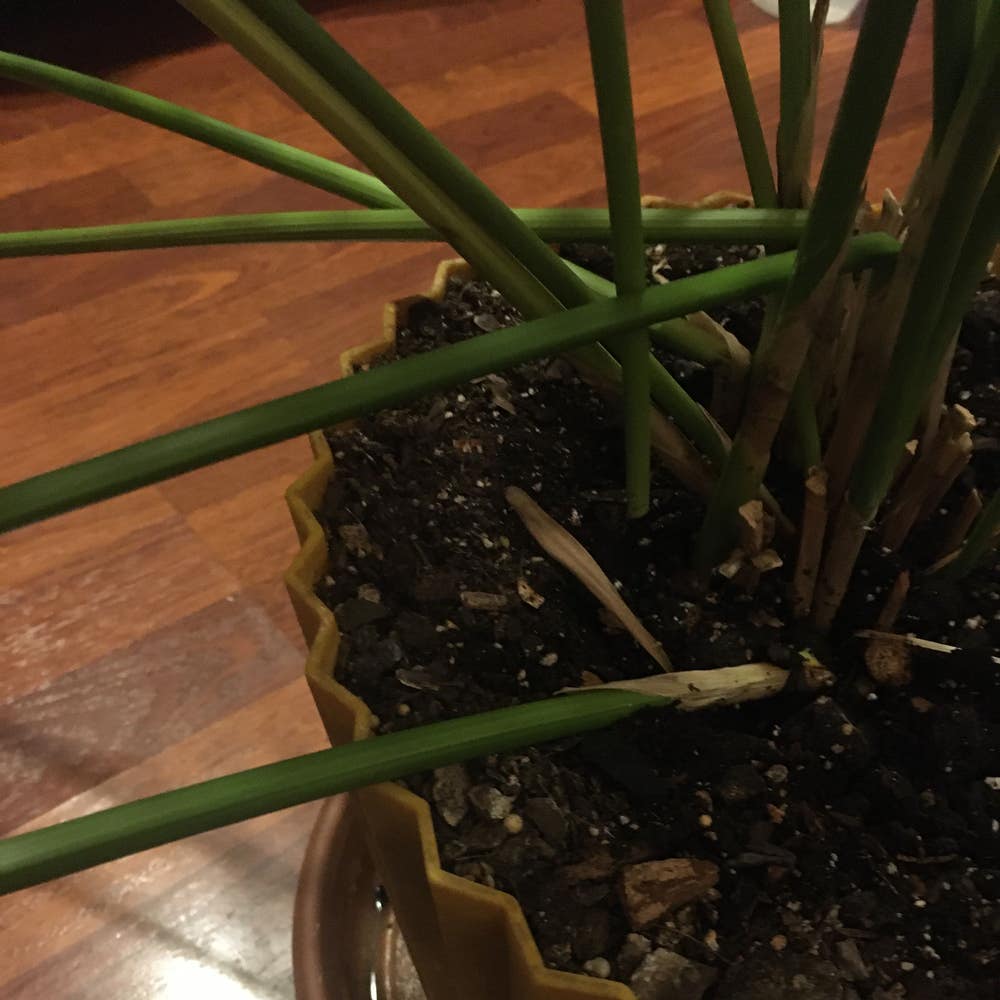
The leaves that emerge are narrow and linear, a signature characteristic of the Cyperus genus. This unique leaf structure not only aids in photosynthesis but also helps the plant adapt to its environment.
⏳ Duration and Growth Rate of Seedlings
Typically, the seedling stage lasts about 2 to 4 weeks. Under optimal conditions, seedlings can experience rapid growth, reaching heights of 10 to 15 cm (4 to 6 inches) in this short period.
This quick growth is vital for the plant's survival, allowing it to establish itself before facing environmental challenges.
🌧️ Environmental Factors Affecting Growth
Water availability plays a significant role in the growth of Cyperus seedlings. Consistent moisture is essential for healthy development, as these plants thrive in wet conditions.
Light exposure is another critical factor. Cyperus seedlings prefer full sun to partial shade, which promotes optimal growth and leaf development. Ensuring these conditions can lead to robust and thriving plants.
As we transition from the seedling stage, it's important to understand how these young plants evolve into the vegetative growth stage, setting the stage for even more remarkable transformations.
Vegetative Growth Stage
Description of Vegetative Growth 🌱
During the vegetative growth stage, Cyperus plants exhibit significant leaf expansion and height increase. This is when the plants really start to show their character, either clumping together or spreading out, depending on the species.
Duration of Vegetative Growth ⏳
The vegetative growth stage typically lasts between 1 to 3 months. Factors like nutrient availability, water, and light play crucial roles in determining how long this stage lasts.
Notable Changes During This Stage 🔍
As the plants grow, you'll notice remarkable changes in their leaf structure, with leaves becoming wider and taller. Some species can reach impressive heights of up to 2 meters (6.5 feet) during this stage, showcasing their robust growth potential.
The vegetative growth stage is a vital period in the lifecycle of Cyperus plants, setting the foundation for future flowering and seed production. Understanding this stage helps in appreciating the resilience and adaptability of these remarkable plants.
Flowering Stage
🌸 Flowering Process
The flowering stage of Cyperus is a fascinating time when inflorescences and flowering spikes develop. This process typically occurs in late spring to summer, marking a vibrant period in the plant's lifecycle.
⏳ Duration of the Flowering Stage
The flowering stage lasts about 2-4 weeks, varying based on species and environmental conditions. During this time, the plant showcases its beautiful blooms, attracting attention from pollinators.
🐝 Pollination and Fertilization Details
Pollination in Cyperus occurs primarily through wind and insect activity. After pollination, the fertilization process begins, leading to the development of seeds that will ensure the continuation of the species.
This stage is crucial for the plant's reproductive success, setting the stage for seed production and maturation. Understanding these processes can deepen your appreciation for the resilience and adaptability of Cyperus plants.
Seed Production and Maturation
🌱 Seed Production Process
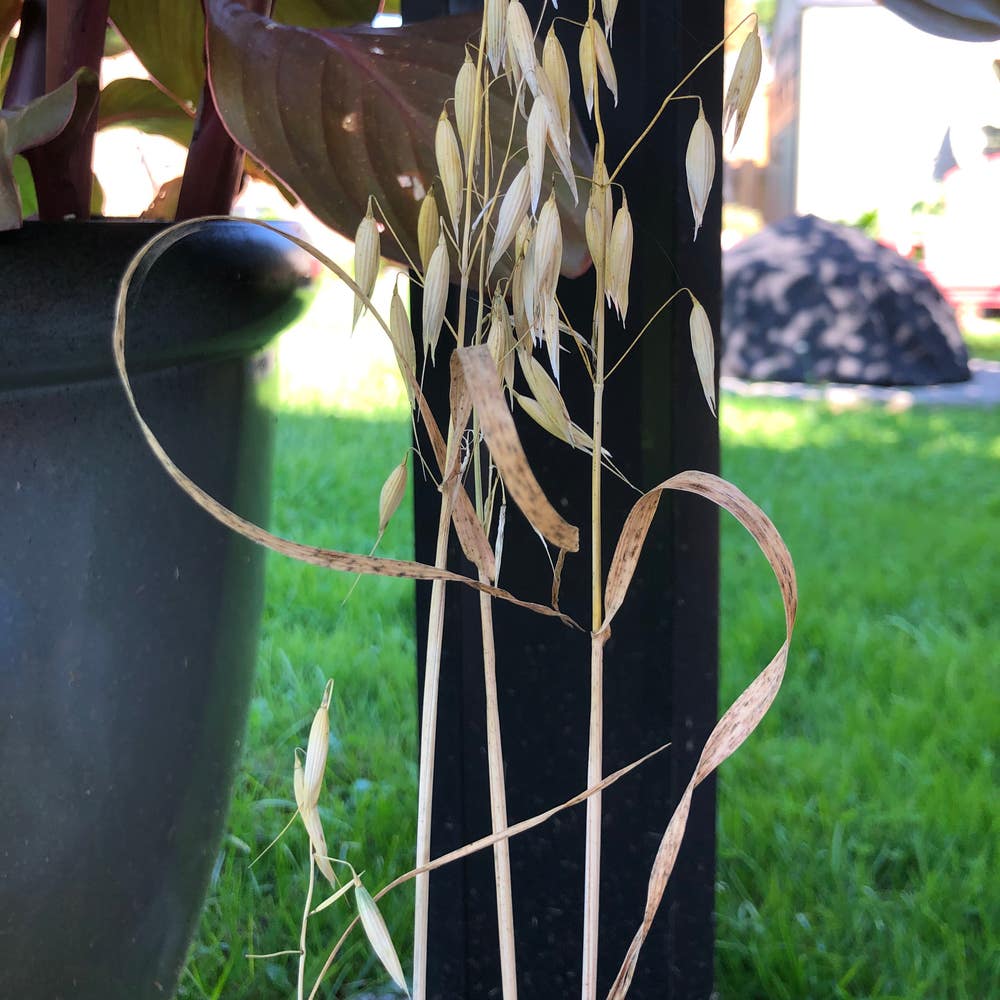
The journey of seed production in Cyperus begins with fertilization. Once fertilized, seeds develop within the flowering spikes, maturing over time until they are ready for dispersal.
Seed dispersal is a critical phase in the life cycle. Cyperus plants utilize both wind and water to spread their seeds, ensuring they can colonize new areas effectively.
⏳ Duration of the Reproductive Cycle
From the moment flowers bloom to when seeds reach maturity, the process typically takes about 4-6 weeks. However, this duration can vary based on environmental conditions and the specific species of Cyperus.
Factors such as temperature, humidity, and light can significantly influence how quickly this reproductive cycle unfolds.
🌿 Overall Lifespan of Cyperus Plants
Under optimal conditions, Cyperus plants can live for an average of 3-5 years. However, their lifespan can be affected by various environmental stressors, competition from other plants, and the specific habitat conditions they face.
Understanding these factors can help in managing and cultivating Cyperus effectively.
⏲️ Factors Influencing Maturation Time
Nutrient availability plays a vital role in the maturation of Cyperus seeds. Fertile soil can accelerate growth, leading to quicker seed development.
Additionally, water levels are crucial, especially in wetland environments. Adequate moisture supports healthy growth and can enhance maturation rates, allowing Cyperus to thrive in its natural habitat.
As we explore the fascinating lifecycle of Cyperus, the next stage will delve into the environmental factors that influence its growth and development.
⚠️ Safety First
This content is for general information and may contain errors, omissions, or outdated details. It is not medical, veterinary advice, or an endorsement of therapeutic claims.
Always consult a qualified healthcare professional before using any plant as food, medicine, or supplement.
Never eat any plant (or feed one to pets) without confirming its identity with at least two trusted sources.
If you suspect poisoning, call Poison Control (800) 222-1222, the Pet Poison Helpline (800) 213-6680, or your local emergency service immediately.
Spotted an error? Please report it here.
Master the lifecycle of Cyperus plants 🌿 with Greg's tailored watering plans and reminders, ensuring your plants flourish from seed to bloom!