Cyperus Is a Garden Plant, Not a Weed 🥄
Cyperus aucheri
By the Greg Editorial Team
Nov 26, 2024•7 min read
This article was created with the help of AI so we can cover more plants for you. May contain errors. See one? Report it here.
- 🌱 Cyperus is non-invasive, thriving in moist environments without overwhelming other plants.
- 🌿 Enhances biodiversity by attracting wildlife and supporting local ecosystems.
- 🌼 Adds aesthetic value with its unique umbrella-like flower heads in garden designs.
Plant Classification
Definition of Invasive Species 🌱
Invasive species are plants or animals that grow rapidly and spread aggressively, often outcompeting native species. They can displace local flora and disrupt ecosystems, leading to negative impacts on biodiversity and environmental health.
Explanation of Why Cyperus is Not Invasive 🚫
Cyperus, commonly known as umbrella plant, exhibits a clumping growth habit that effectively limits its spread. This unique characteristic allows it to thrive in specific moisture conditions, reducing competition with other plants.
Moreover, Cyperus has shown non-invasive behavior across various environments. Its growth patterns do not lead to the aggressive takeover seen in true invasive species, making it a suitable choice for gardens without the risk of ecological disruption.
In summary, understanding the classification of plants like Cyperus helps gardeners make informed choices that enhance their landscapes while supporting local ecosystems. This sets the stage for exploring its growth habits in the next section.
Growth Habits
Typical Growth Patterns 🌱
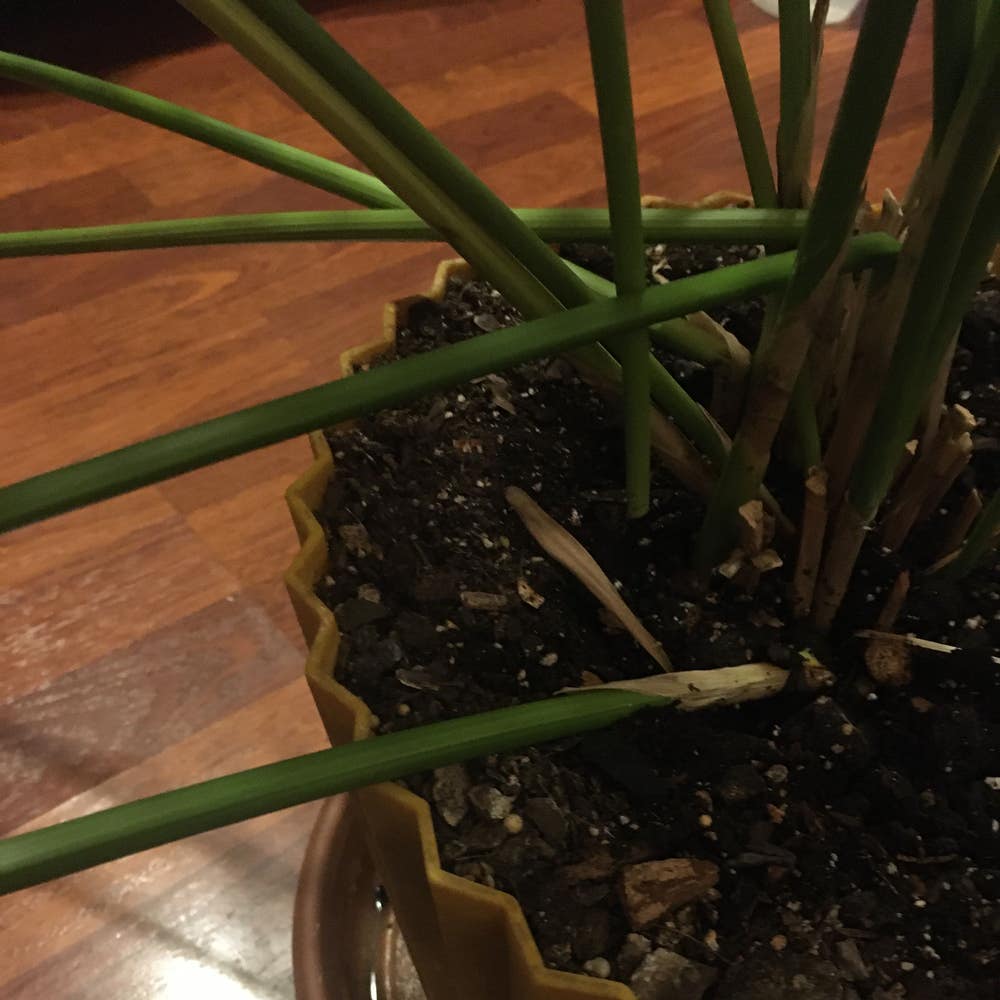
Cyperus exhibits a distinctive clumping growth habit, characterized by long, slender stems that rise elegantly from the base. Its umbrella-like flower heads add a unique visual appeal, making it a standout in any garden.
During the warm months, Cyperus thrives with active growth, showcasing its vibrant foliage. As temperatures drop, it enters a period of dormancy, conserving energy until the next growing season.
Natural Limits to Growth 🌍
This plant prefers specific soil types, flourishing in both clay and sandy soils that retain adequate moisture. Its need for wetland or moist environments limits its spread, ensuring it remains a manageable addition to your garden.
Spread Potential 🚀
Cyperus has natural mechanisms for spreading, primarily through seed dispersal and vegetative propagation. To maintain desired growth within garden settings, consider implementing management strategies such as regular pruning and monitoring its spread.
By understanding these growth habits, you can effectively incorporate Cyperus into your garden while keeping it under control. Next, we will explore the ecological role of Cyperus and its benefits in garden environments.
Ecological Role
🌼 Benefits in Gardens
Cyperus plants play a vital role in enhancing biodiversity within garden ecosystems. Their presence provides essential habitats for various wildlife, creating a thriving environment for both flora and fauna.
Additionally, their unique appearance adds aesthetic value to any garden design. With their striking form and vibrant green foliage, Cyperus plants can serve as eye-catching focal points or complementary elements in landscape arrangements.
🐦 Positive Interactions with Local Wildlife
These plants are not just beautiful; they also serve as a food source for birds and beneficial insects. By attracting these creatures, Cyperus contributes to a balanced ecosystem, supporting various species that rely on it for sustenance.
Moreover, Cyperus plants play a crucial role in attracting pollinators, which are essential for the health of many garden plants. This interaction fosters a robust ecosystem, ensuring that both plants and wildlife thrive together.
🌱 Role in Ecosystem Health
In wetland areas, Cyperus plants contribute significantly to soil stabilization. Their root systems help prevent erosion, maintaining the integrity of the landscape and supporting other plant life.
Furthermore, Cyperus has the potential for water filtration, improving the quality of water in its surroundings. This capability not only benefits the immediate environment but also promotes habitat creation for various aquatic and terrestrial species.
As we explore the many facets of Cyperus, it's clear that this plant is more than just a garden addition; it’s a cornerstone of ecological health and biodiversity. Next, we will delve into effective garden management strategies to maximize the benefits of incorporating Cyperus into your landscape.
Garden Management
Incorporating into Garden Designs 🌿
Integrating Cyperus into your garden can elevate both its aesthetic appeal and ecological value. Consider placing it in water gardens or alongside ornamental landscapes, where its unique structure can shine.
When planning your layout, think about companion planting. Pairing Cyperus with other moisture-loving plants can create a vibrant ecosystem while enhancing visual interest.
Controlling Growth for Aesthetic Purposes ✂️
To maintain a tidy appearance, regular pruning is essential. This not only keeps Cyperus looking its best but also prevents it from overtaking other plants.
Using barriers can also be effective in controlling its spread. These physical limits help ensure that Cyperus remains a charming addition rather than an overwhelming presence.
Practical Considerations for Gardeners 💧
Watering is crucial for optimal growth, especially in the warmer months. Ensure your Cyperus has access to adequate moisture, as it thrives in wet conditions.
Soil management is equally important. Aim for a mix that includes clay or sandy soils to support healthy development.
Seasonal care tips can help maintain the health and appearance of your plants. Regularly check for any signs of stress or disease, and adjust your care routine accordingly.
With these strategies, you can enjoy the beauty and benefits of Cyperus while keeping your garden thriving. Next, we’ll explore how Cyperus compares to other non-invasive plants, highlighting its unique qualities and advantages.
Comparison to Other Plants
🌱 Comparison with Similar Non-Invasive Plants
When considering non-invasive plants with growth habits similar to Cyperus, Juncus and Carex come to mind. While these plants also feature clumping growth, they differ in their specific environmental preferences and overall appearance.
Juncus, commonly known as rushes, typically thrives in wetter conditions and has a more upright growth form. Carex, or sedges, often prefers drier soils and presents a grass-like appearance. Understanding these distinctions helps gardeners select the right plant for their specific landscape needs.
🌼 Unique Qualities
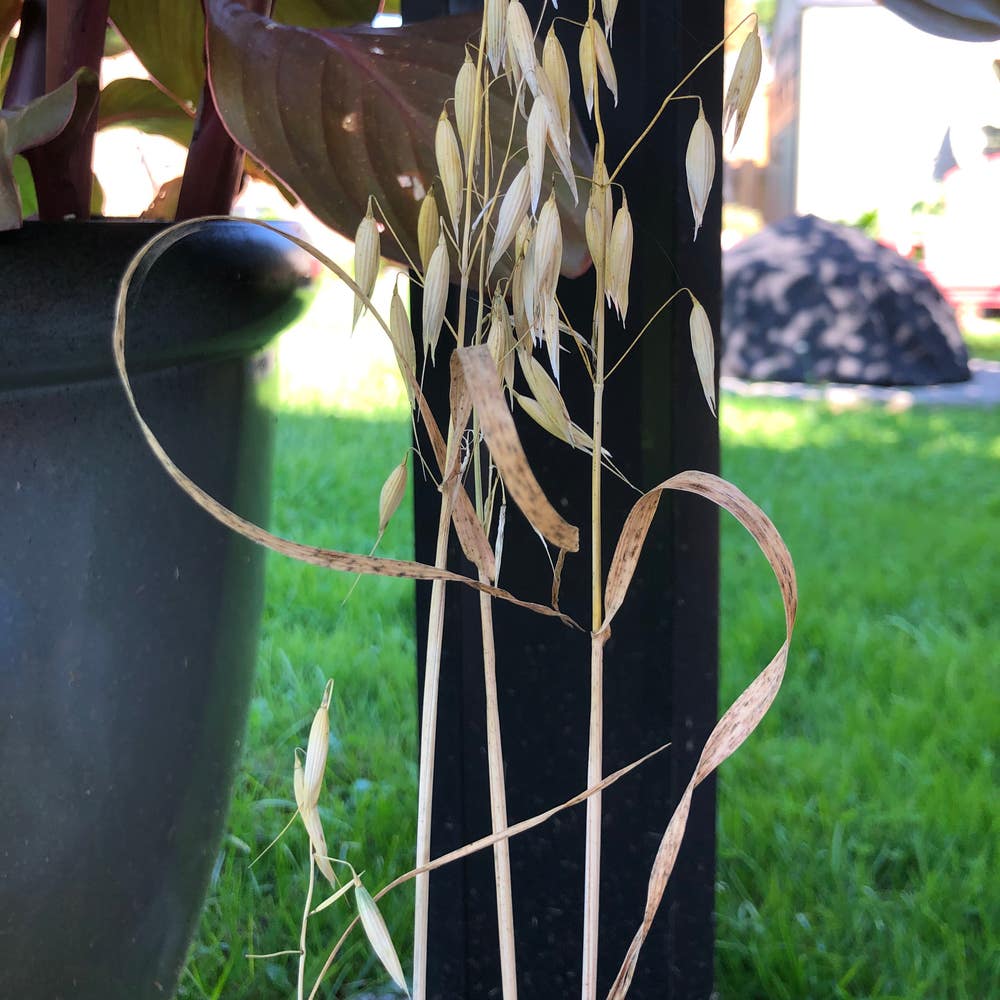
Cyperus stands out with its distinctive umbrella-like flower heads that add a unique flair to any garden. Its clumping growth habit not only creates visual interest but also makes it an excellent choice for filling space without overwhelming neighboring plants.
Additionally, Cyperus is adaptable to various soil types, thriving in both clay and sandy soils, provided they maintain adequate moisture. This versatility allows it to flourish in diverse garden settings.
🦋 Potential Benefits Over Other Plants
One of the key advantages of Cyperus is its ability to attract wildlife, making it a valuable addition to any garden. Its flowers serve as a food source for birds and beneficial insects, enhancing biodiversity and supporting local ecosystems.
Moreover, Cyperus offers versatility in landscape design. Its unique appearance and growth habits can complement a variety of garden styles, from water gardens to ornamental landscapes. This adaptability sets it apart from other non-invasive options, making it a favorite among gardeners looking to create vibrant, thriving spaces.
As we explore the ecological role of Cyperus, we’ll see how it contributes to garden health and supports local wildlife.
Legal and Environmental Considerations
📜 Relevant Classifications
Understanding the legal classifications surrounding Cyperus is crucial for responsible gardening. Many regions have specific guidelines that dictate which plants can be cultivated, especially those that are non-invasive.
Local regulations often aim to protect native ecosystems from potential threats posed by invasive species. By familiarizing yourself with these rules, you can ensure that your gardening practices align with environmental conservation efforts.
🌱 Guidelines for Planting and Growing
When establishing Cyperus in your garden, following best practices can lead to thriving plants. Start by selecting a suitable location that mimics its natural wetland habitat, ensuring adequate moisture and sunlight.
Incorporating sustainable gardening techniques is also essential. Consider using organic fertilizers and mulching to retain soil moisture while minimizing the need for chemical interventions.
🌍 Fit Within Sustainable Gardening Practices
Cyperus plays a significant role in promoting ecological balance and biodiversity. Its presence can enhance the habitat for various wildlife, contributing to a healthier ecosystem.
Additionally, Cyperus supports sustainable landscape management by aiding in water conservation. Its ability to thrive in moist conditions makes it an excellent choice for gardens focused on environmental sustainability.
As you explore the benefits of Cyperus, consider how it can fit into your garden design while supporting local ecosystems. This thoughtful approach not only beautifies your space but also fosters a deeper connection with nature.
⚠️ Safety First
This content is for general information and may contain errors, omissions, or outdated details. It is not medical, veterinary advice, or an endorsement of therapeutic claims.
Always consult a qualified healthcare professional before using any plant as food, medicine, or supplement.
Never eat any plant (or feed one to pets) without confirming its identity with at least two trusted sources.
If you suspect poisoning, call Poison Control (800) 222-1222, the Pet Poison Helpline (800) 213-6680, or your local emergency service immediately.
Spotted an error? Please report it here.
Transform your garden with thriving Cyperus 🌿 by using Greg's tailored care tips and watering reminders to ensure this stunning plant flourishes while supporting local ecosystems!