Best Soil for Cyperus 💧
Cyperus aucheri
By the Greg Editorial Team
Nov 26, 2024•6 min read
This article was created with the help of AI so we can cover more plants for you. May contain errors. See one? Report it here.
- 🌱 Cyperus thrives in soil with pH 6.0-7.0 for optimal nutrient absorption.
- 🧪 Test soil pH regularly to maintain ideal conditions for healthy growth.
- 🌿 Create nutrient-rich soil using peat moss, perlite, and compost for Cyperus.
Soil pH and Nutrient Needs
🌱 Ideal pH Range
For optimal growth, Cyperus thrives in soil with a pH level between 6.0 and 7.0. This range is crucial because it directly affects the availability of essential nutrients.
Maintaining the right pH ensures that nutrients are accessible to the plant's roots, promoting healthy development. If the pH strays too far from this range, nutrient uptake can be severely hindered.
🧪 Nutrient Requirements Specific to Cyperus
Cyperus plants require a balanced mix of key nutrients for robust growth. The primary nutrients include nitrogen, phosphorus, and potassium (NPK), which are vital for overall health.
Additionally, micronutrients like iron, magnesium, and calcium play significant roles in the plant's development. Ensuring these nutrients are present in the soil will help your Cyperus flourish.
🔬 How to Test Soil pH for Cyperus
Testing soil pH is straightforward and can be done using pH test kits or professional soil testing services. These tools provide accurate readings, allowing you to understand your soil's current condition.
Once you have your results, you can interpret them to determine if adjustments are necessary. If the pH is outside the ideal range, consider adding amendments to bring it back to optimal levels.
By focusing on soil pH and nutrient needs, you set the stage for a thriving Cyperus. This foundation will support the plant's growth and resilience, leading to a vibrant display in your garden.
Next, let's explore how to create a homemade soil mix tailored specifically for Cyperus.
Creating a Homemade Soil Mix
🥣 Ingredients for a Homemade Soil Mix
Creating the perfect soil mix for your Cyperus plants is essential for their health and growth. Start with equal parts of peat moss, perlite, and compost to provide a balanced environment.
You can also add sand if you want to improve drainage further. This combination ensures that your plants have access to nutrients while preventing waterlogging.
🛠️ Step-by-Step Guide to Mixing Soil for Cyperus
Follow these simple steps to create your homemade soil mix:
- Gather your materials: peat moss, perlite, compost, and sand (if desired).
- In a large container, combine equal parts of peat moss and compost.
- Gradually mix in perlite to enhance drainage.
- If using sand, add it to the mix for additional drainage.
- Ensure the mixture is well-blended and free of clumps.
This straightforward process will yield a nutrient-rich soil that supports healthy Cyperus growth.
⚖️ Tips for Adjusting Soil Texture and Drainage
To fine-tune your soil mix, consider adding more perlite or sand for increased drainage. This adjustment is particularly useful if you notice any signs of water retention.
Incorporating organic matter can also improve moisture retention, creating a balanced environment for your plants. Regularly check your soil's texture and adjust as needed to keep your Cyperus thriving.
With your homemade soil mix ready, you're well-equipped to nurture your Cyperus plants. Next, let's explore how to identify unhealthy soil conditions that could hinder their growth.
Identifying Unhealthy Soil
🚩 Signs of Unhealthy Soil for Cyperus
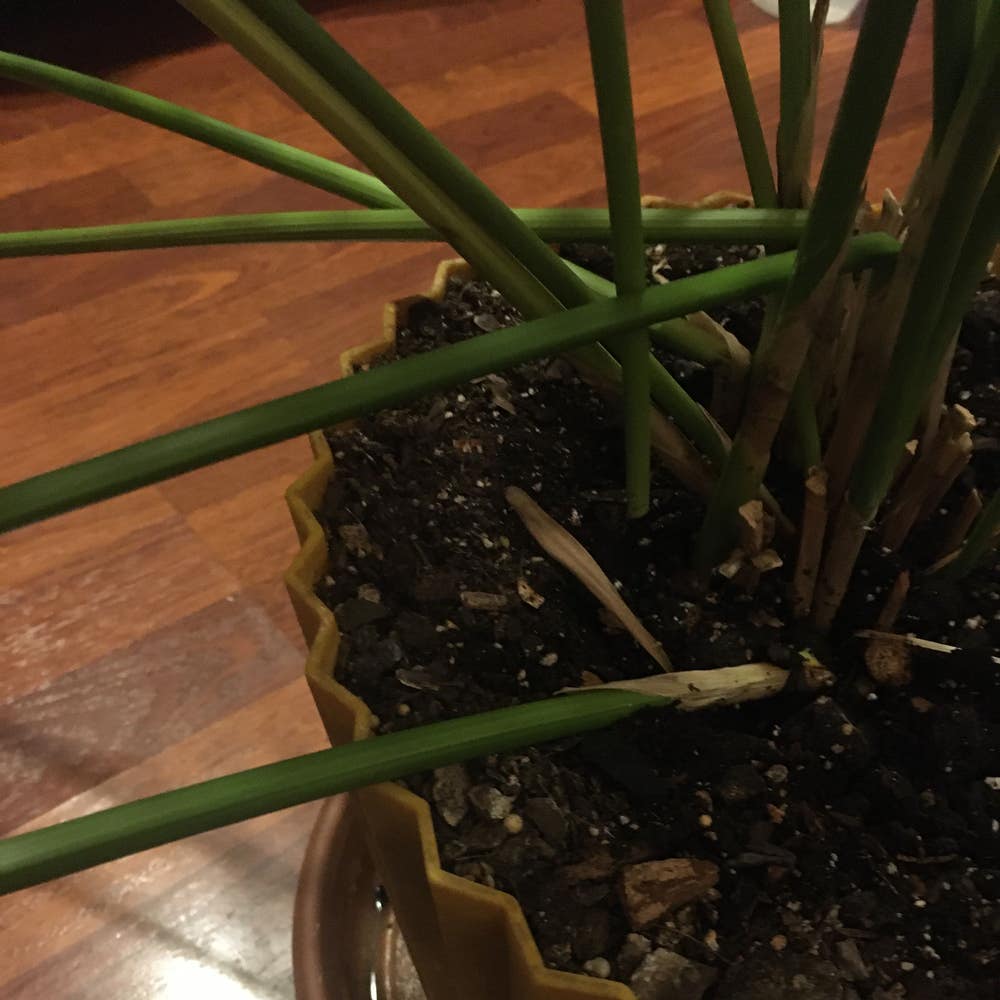
Recognizing unhealthy soil is crucial for maintaining the vitality of your Cyperus plants. Look for visual indicators such as discoloration of leaves, which may appear yellow or brown, signaling nutrient deficiencies or stress.
Stunted growth or wilting can also point to soil issues. If your plants aren’t thriving, it’s time to investigate the soil conditions.
🦠 How to Identify Moldy Soil
Moldy soil can be a significant problem for Cyperus. You can identify it by fuzzy white or green growth on the soil surface, which indicates an unhealthy environment.
An unpleasant odor often accompanies moldy soil, suggesting decay and poor aeration. If you notice these signs, immediate action is necessary.
🏋️♂️ Effects of Compacted Soil on Cyperus Health
Soil compaction can severely impact your Cyperus plants. Compacted soil reduces aeration and drainage, making it difficult for roots to access essential nutrients and oxygen.
This condition increases the risk of root rot and fungal diseases, which can be detrimental to your plant’s health. Regularly check your soil structure to ensure it remains loose and well-draining.
By staying vigilant about these signs and conditions, you can ensure your Cyperus thrives. Next, let’s explore how to resolve these soil issues effectively.
Resolving Soil Issues
🦠 Solutions for Moldy Soil in Cyperus
Moldy soil can be a serious issue for your Cyperus plants. The first step is to remove any affected soil and replace it with a fresh mix to prevent further decay.
Next, improve air circulation around the plant. This can be achieved by spacing plants appropriately and ensuring they are not overcrowded.
🌱 How to Amend Unhealthy Soil
To enhance the quality of unhealthy soil, start by incorporating organic matter like compost or well-rotted manure. This not only enriches the soil but also boosts its structure.
Another effective technique is aerating compacted soil using a garden fork. This helps to improve drainage and allows roots to breathe, promoting healthier growth.
🌿 Best Practices for Maintaining Healthy Soil for Cyperus
Regular soil testing and monitoring are crucial for maintaining optimal conditions. This helps you catch any issues before they escalate.
Additionally, ensure proper watering techniques to avoid over-saturation. Cyperus thrives in moist conditions, but too much water can lead to root rot and other problems.
By following these practices, you can create a thriving environment for your Cyperus plants, setting the stage for their success. Next, let’s explore seasonal soil considerations to further enhance your plant care strategy.
Seasonal Soil Considerations
🌡️ Seasonal Changes Affecting Soil for Cyperus
Temperature and moisture fluctuations can significantly impact your Cyperus plants. During dry seasons, you may need to increase watering frequency to keep the soil adequately moist.
Conversely, in wet seasons, it's crucial to monitor soil moisture closely. Overwatering can lead to root rot, so adjust your watering schedule accordingly.
🔄 Adjusting Soil Care Based on Growth Cycles
Cyperus plants have distinct growth cycles that require different soil care strategies. During active growth, consider adding nutrient-rich amendments to support robust development.
In contrast, during dormancy, reduce fertilization and focus on maintaining soil structure. This approach helps your plants conserve energy and prepare for the next growth phase.
❄️ Preparing Soil for Winter Dormancy in Cyperus
As winter approaches, it's essential to prepare your soil for dormancy. Start by reducing watering frequency to prevent excess moisture, which can harm the roots.
Additionally, adding mulch can protect soil structure and retain moisture. This simple step ensures your Cyperus plants are well-prepared to weather the cold months ahead.
By understanding seasonal changes and adjusting your soil care accordingly, you can promote healthy growth and resilience in your Cyperus plants. Next, let’s explore how to identify unhealthy soil conditions that may arise.
⚠️ Safety First
This content is for general information and may contain errors, omissions, or outdated details. It is not medical, veterinary advice, or an endorsement of therapeutic claims.
Always consult a qualified healthcare professional before using any plant as food, medicine, or supplement.
Never eat any plant (or feed one to pets) without confirming its identity with at least two trusted sources.
If you suspect poisoning, call Poison Control (800) 222-1222, the Pet Poison Helpline (800) 213-6680, or your local emergency service immediately.
Spotted an error? Please report it here.
Create thriving Cyperus plants 🌱 by using Greg's tailored soil mix recommendations and timely reminders to keep your soil in top shape!