🌊 The Meaning of Cyperus Flowers
Cyperus aucheri
By the Greg Editorial Team
Nov 26, 2024•5 min read
This article was created with the help of AI so we can cover more plants for you. May contain errors. See one? Report it here.
- 🌼 Cyperus flowers are often overshadowed by their lush foliage and unique textures.
- 🌞 Adequate sunlight and moisture are essential for encouraging Cyperus blooming.
- 🌱 Cyperus can reproduce without flowers through rhizomes, ensuring rapid growth.
Flowering Status of Cyperus
🌸 Clarification on Flower Production
Cyperus plants do produce flowers, but the flowering status varies significantly among species. While some Cyperus varieties bloom, many are known for their lush foliage rather than their floral displays.
Many Cyperus species exhibit non-flowering characteristics, making them popular choices for ornamental gardening. Their striking green leaves and unique textures often overshadow the flowers, leading gardeners to cultivate them primarily for their aesthetic appeal.
🍃 Why Foliage Matters
The foliage of Cyperus plants can be quite stunning, with vibrant greens and interesting shapes that enhance any landscape. This ornamental value is a key reason why some gardeners prefer these plants over others that may produce more showy flowers.
In summary, while Cyperus does flower, its foliage often takes center stage, making it a versatile choice for both indoor and outdoor settings. This sets the stage for a deeper exploration of the flowering characteristics of Cyperus in the next section.
If Cyperus Flowers
🌼 Flower Characteristics
Description of Colors and Structure
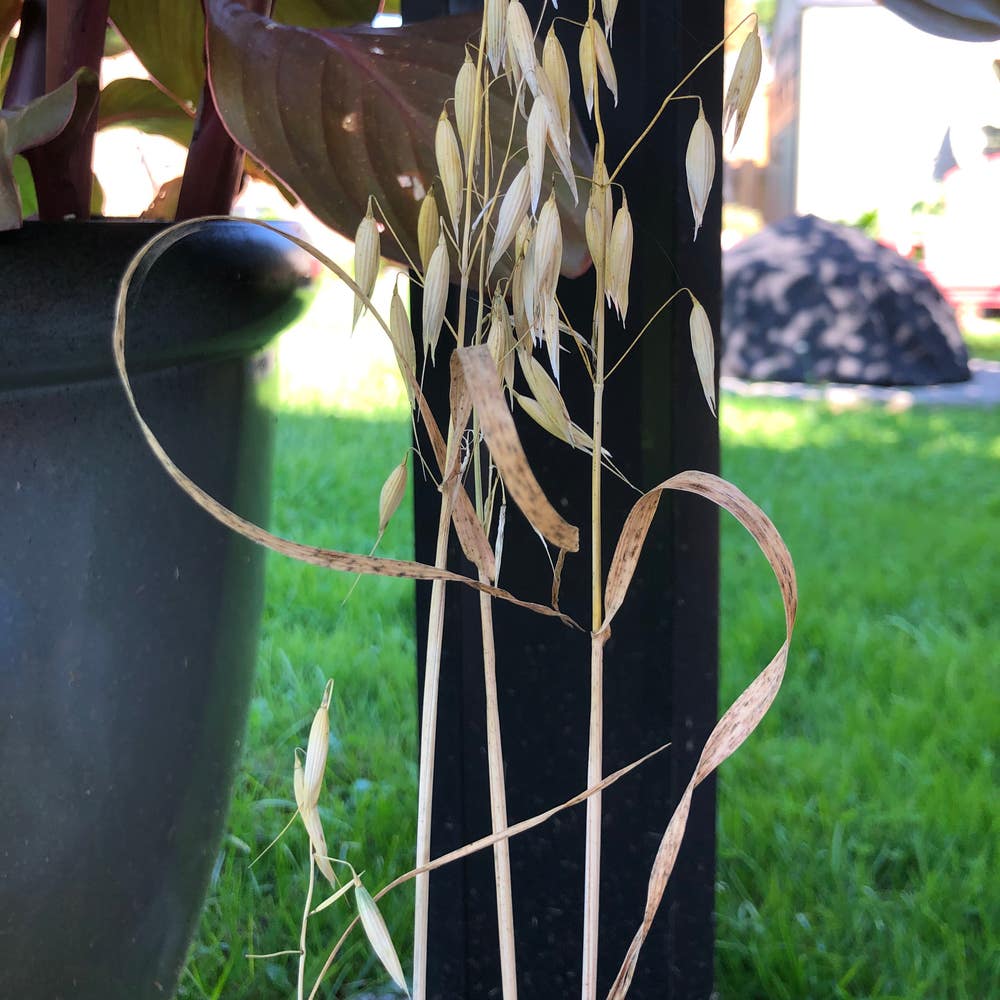
Cyperus flowers typically showcase shades of green, yellow, and brown. Their structure features distinct flower spikes arranged in clusters, creating a unique visual appeal.
Variations exist among different Cyperus species, with some displaying more vibrant colors or unique arrangements. This diversity contributes to the ornamental value of these plants.
Self-Pollination vs. External Pollination
Cyperus plants can be either self-pollinating or reliant on external pollination. This flexibility in pollination methods can significantly impact their reproductive success.
Self-pollination allows for consistent reproduction, while external pollination can enhance genetic diversity. Understanding these methods is crucial for effective cultivation.
🌸 Blooming Process
Stages of Blooming and Typical Bloom Time
The blooming process of Cyperus involves several stages, starting from bud formation to full bloom. Typically, the bloom time varies among species, with some blooming in late spring and others in summer.
Each stage is critical for the development of healthy flowers, and knowing the timeline can help gardeners anticipate and enjoy the blooms.
Time from Bud Formation to Full Bloom
On average, Cyperus takes about 2 to 4 weeks to transition from bud to full bloom. However, this duration can be influenced by environmental factors such as temperature and humidity.
Understanding these factors can help gardeners optimize conditions for blooming.
Duration of Flower Lifespan
Once bloomed, Cyperus flowers generally last for about 1 to 3 weeks. Factors such as water availability and light exposure can affect their longevity.
Proper care can extend the lifespan of these beautiful blooms, allowing for a longer display.
🌱 Encouraging Blooms
Tips for Encouraging Cyperus to Bloom
To promote flowering in Cyperus plants, ensure they receive adequate sunlight and maintain consistent moisture levels. Fertilizing during the growing season can also enhance bloom production.
Regular pruning can encourage new growth, leading to more flowers.
Factors Influencing Flowering
Environmental conditions play a significant role in flowering. Factors such as light intensity, water quality, and soil health can greatly influence bloom success.
Seasonal changes also affect when Cyperus plants bloom, with many species thriving in warmer months.
🌿 Post-Flowering
What Happens After the Flowering Period
After the flowering period, Cyperus plants typically enter a phase of dormancy. This period allows the plant to conserve energy and prepare for the next growing season.
Most Cyperus species do not die after flowering; instead, they continue to thrive and may even produce new growth.
🐝 Pollination Methods
Description of Pollination Methods for Cyperus
Cyperus achieves pollination through both self-pollination and external means, depending on the species. Some varieties have adapted unique features to attract pollinators, enhancing their reproductive success.
Understanding these methods can provide insights into the ecological role of Cyperus in its habitat.
This exploration of Cyperus flowering sets the stage for understanding its broader ecological significance and ornamental value.
If Cyperus Doesn't Flower
🌿 Primary Ornamental or Functional Features
Cyperus plants are celebrated for their lush, vibrant foliage, which adds a unique aesthetic to gardens and landscapes. The long, slender leaves often create a striking visual contrast, making them a popular choice for ornamental purposes.
Beyond their beauty, Cyperus species play significant functional roles in their ecosystems. They are excellent for habitat stabilization, helping to prevent soil erosion in wetland areas. Additionally, their dense root systems contribute to water filtration, improving water quality in their environments.
🌱 Explanation of How Cyperus Reproduces Without Flowers
Cyperus has a fascinating method of reproduction that doesn’t rely on flowers. Instead, these plants primarily reproduce through rhizomes, which are underground stems that can sprout new shoots and roots.
This vegetative reproduction offers ecological advantages. It allows Cyperus to quickly colonize areas, ensuring survival in fluctuating environments. This adaptability is crucial for thriving in wetlands, where conditions can change rapidly.
Unique Aspects of Cyperus
🌼 Unusual Characteristics Related to Flowering or Non-Flowering Nature
Cyperus plants exhibit fascinating adaptations that influence their flowering behavior. While many species are known for their lush foliage, some have evolved to thrive in environments where flowering is less advantageous.
Certain Cyperus varieties, like Cyperus papyrus, are primarily cultivated for their striking leaves rather than their flowers. This focus on foliage allows them to dominate in wetland habitats, where their robust growth can stabilize soil and provide shelter for wildlife.
📜 Interesting Facts or Trivia About Cyperus's Reproductive Strategy
Did you know that Cyperus has a rich history tied to ancient cultures? For instance, the Egyptians revered Cyperus papyrus, using it to create paper and craft boats. This historical significance highlights the plant's versatility beyond mere aesthetics.
Ecologically, Cyperus plays a crucial role in wetland ecosystems. Its dense root systems help filter water, improve water quality, and provide habitat for various aquatic species. This dual function of beauty and utility makes Cyperus a remarkable addition to both gardens and natural landscapes.
As we delve deeper into the world of Cyperus, we can appreciate not only its unique characteristics but also its vital contributions to our environment. Next, we will explore the primary ornamental and functional features of Cyperus, particularly its foliage and ecological benefits.
⚠️ Safety First
This content is for general information and may contain errors, omissions, or outdated details. It is not medical, veterinary advice, or an endorsement of therapeutic claims.
Always consult a qualified healthcare professional before using any plant as food, medicine, or supplement.
Never eat any plant (or feed one to pets) without confirming its identity with at least two trusted sources.
If you suspect poisoning, call Poison Control (800) 222-1222, the Pet Poison Helpline (800) 213-6680, or your local emergency service immediately.
Spotted an error? Please report it here.
Unlock the blooming potential of your Cyperus plants 🌼 with Greg's tailored care reminders that ensure they thrive in any environment!