Top 8 Pot Features Your Cyperus Will Love 🪴
Cyperus aucheri
By the Greg Editorial Team
Nov 26, 2024•6 min read
This article was created with the help of AI so we can cover more plants for you. May contain errors. See one? Report it here.
- 🌱 Choose the right pot size for your Cyperus to support its growth stages.
- 🔄 Repot every 1-2 years to ensure adequate space for root development.
- 💧 Proper drainage is vital; look for pots with multiple holes to prevent root rot.
Importance of Pot Size for Different Growth Stages
Juvenile 🌱
For juvenile Cyperus plants, a pot size of 4-6 inches in diameter is ideal. Starting small encourages robust root development, allowing the plant to establish itself effectively.
Mature 🌾
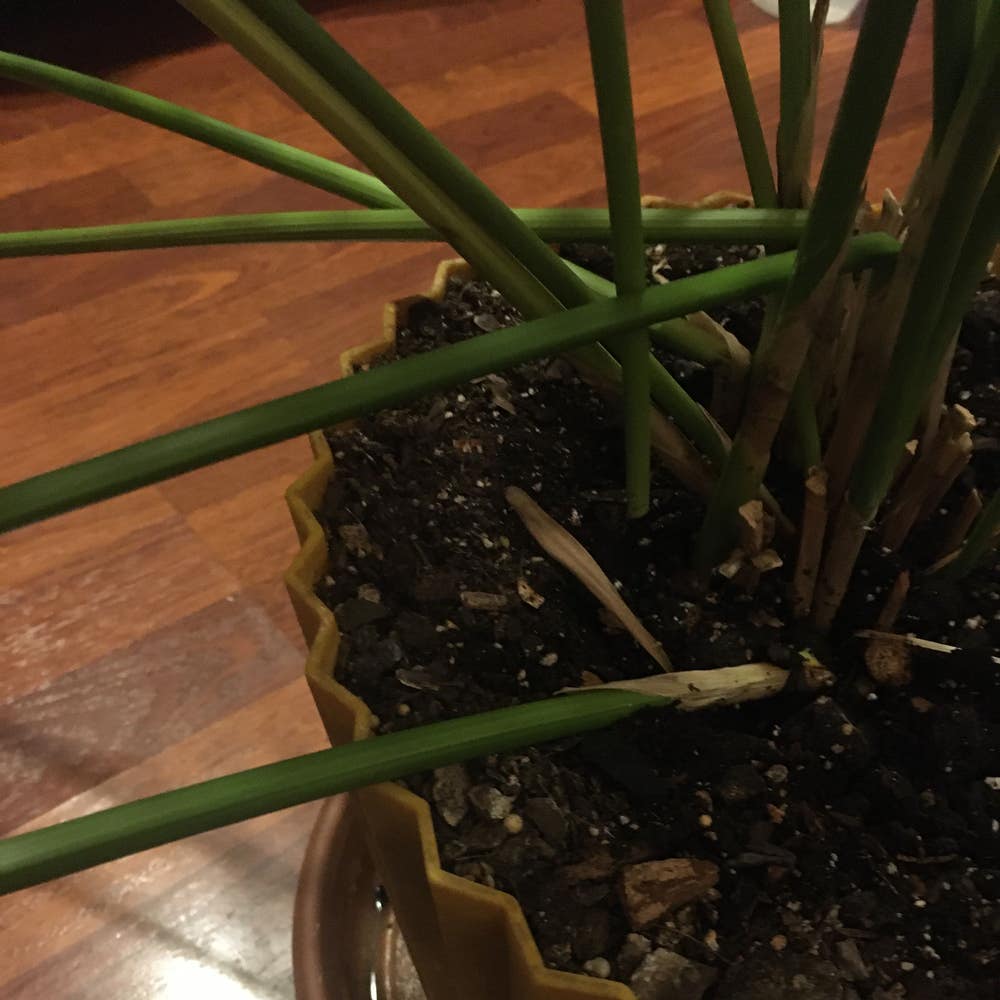
As your Cyperus matures, it will require a larger pot, ideally 10-12 inches in diameter or even larger. This size provides the necessary stability for its tall, grass-like stems and umbrella-shaped flower clusters, preventing toppling.
Adjusting Container Size 📏
Repotting every 1-2 years is crucial as your plant grows. Look for signs that indicate a need for a larger container, such as roots emerging from drainage holes, which signal that your plant is ready for more space.
Understanding the importance of pot size at different growth stages ensures your Cyperus thrives, setting the stage for a healthy, vibrant plant. Next, let’s explore the ideal pot materials that can further enhance your plant's growth.
Ideal Pot Materials
Choosing the right pot material is crucial for the health of your Cyperus. Each option has its unique benefits and drawbacks that can significantly impact your plant's growth and well-being.
🏺 Clay
Clay pots are a popular choice for many plant enthusiasts.
Pros:
- They are breathable, allowing moisture to escape and preventing overwatering.
- Their natural aesthetic enhances both indoor and outdoor spaces, adding a touch of elegance.
Cons:
- Clay pots are heavier, making them less convenient to move around.
- They can crack over time and may dry out faster than plastic, requiring more frequent watering.
🥤 Plastic
Plastic pots offer a different set of advantages.
Pros:
- They are lightweight and easy to transport, perfect for rearranging your plant display.
- Plastic retains moisture longer, which is beneficial for the water-loving Cyperus.
Cons:
- These pots are less breathable, which can lead to root rot if drainage isn’t managed properly.
🌱 Other Materials
Exploring alternative pot materials can also be rewarding.
- Biodegradable pots: These eco-friendly options can be planted directly into the ground, reducing plastic waste.
- Metal pots: While durable, they can conduct heat, potentially affecting soil temperature and plant health.
Choosing the right pot material is essential for your Cyperus' success. Each option has its pros and cons, so consider your plant's needs and your own preferences when making a decision.
Next, we’ll dive into the critical role of drainage holes in pot selection and how they can affect your plant's health.
The Role of Drainage Holes
Importance of Drainage 🌊
Proper drainage is crucial for the health of your Cyperus. Excess water can lead to root rot, especially in semi-aquatic plants that thrive in moist conditions.
To ensure your Cyperus flourishes, aim for ideal drainage conditions. This means allowing excess water to escape while keeping the roots adequately hydrated.
Ensuring Proper Drainage 🚰
When selecting pots, look for designs with multiple drainage holes. These holes help prevent water from pooling at the bottom, which can suffocate roots.
You can also create a drainage layer using gravel or stones at the bottom of the pot. This layer acts as a barrier, allowing water to flow freely while keeping the soil from becoming overly saturated.
Common Drainage Issues ⚠️
Watch for signs of poor drainage, such as yellowing leaves or wilting, even when you’re watering correctly. These symptoms indicate that your plant may be struggling with excess moisture.
If you notice these issues, consider repotting your Cyperus into a pot with better drainage. Adjusting your watering frequency can also help maintain the right moisture balance for optimal growth.
With proper drainage, your Cyperus will thrive, setting the stage for healthy growth and vibrant foliage. Next, let’s explore how pot choice affects the overall health and growth of your plant.
How Pot Choice Affects Health and Growth
🌱 Impact of Pot Size
The size of your pot plays a crucial role in the health of your Cyperus. A larger pot allows for better root development, giving your plant the space it needs to thrive.
Conversely, a cramped pot can stunt growth and lead to various health issues. If roots are confined, they may become tangled or even rot, which can ultimately affect the entire plant's vitality.
🏺 Influence of Pot Material
Different pot materials can significantly impact moisture levels and root health. For instance, clay pots are breathable, allowing moisture to escape, while plastic pots retain water longer, which can be beneficial for a water-loving plant like Cyperus.
It's essential to balance moisture retention with drainage needs. Choosing the right material can help ensure your plant receives adequate hydration without the risk of root rot.
Understanding how pot choice affects your Cyperus will empower you to make informed decisions that promote healthy growth. Next, let's explore the signs that indicate it's time to repot your plant for optimal health.
Signs That It's Time to Repot
Indicators for Repotting 🌱
Recognizing when your Cyperus needs a new home is crucial for its health. Watch for roots growing out of the drainage holes; this is a clear sign that your plant has outgrown its pot.
Additionally, if you notice stunted growth or yellowing leaves despite providing proper care, it’s time to consider repotting. These symptoms often indicate that the plant is struggling for space and nutrients.
Step-by-Step Guide to Repotting 🛠️
Repotting your Cyperus can seem daunting, but it’s a straightforward process. Follow these steps to ensure a smooth transition:
- Choose a new pot that is 1-2 inches larger in diameter than the current one.
- Prepare fresh potting mix suitable for semi-aquatic plants to provide the right nutrients.
- Gently remove the plant from its current pot, taking care not to damage the roots during the process.
- Place the plant in the new pot, ensuring it is centered and upright for stability.
- Fill in with potting mix, leaving some space at the top for watering.
- Water thoroughly to settle the soil and eliminate any air pockets.
By following these steps, you’ll help your Cyperus thrive in its new environment. This proactive approach not only supports healthy growth but also enhances the overall beauty of your plant.
As you prepare to repot, keep in mind the importance of pot size and material, which we’ll explore next.
⚠️ Safety First
This content is for general information and may contain errors, omissions, or outdated details. It is not medical, veterinary advice, or an endorsement of therapeutic claims.
Always consult a qualified healthcare professional before using any plant as food, medicine, or supplement.
Never eat any plant (or feed one to pets) without confirming its identity with at least two trusted sources.
If you suspect poisoning, call Poison Control (800) 222-1222, the Pet Poison Helpline (800) 213-6680, or your local emergency service immediately.
Spotted an error? Please report it here.
Ensure your Cyperus thrives with smart pot choices and timely repotting 🌿—let Greg guide you with personalized care tips and reminders for a flourishing plant journey!