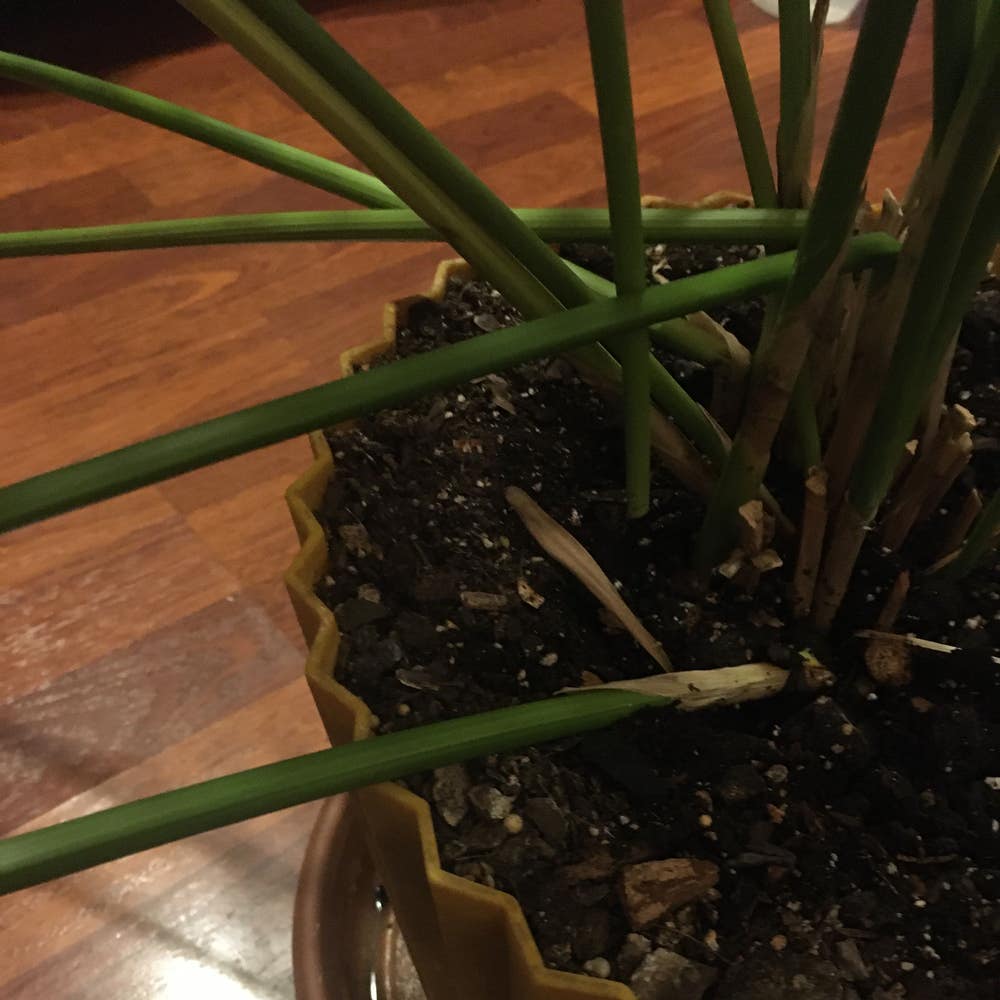
What To Do About Cyperus Dying 🌼
Cyperus aucheri
By the Greg Editorial Team
Nov 26, 2024•3 min read
This article was created with the help of AI so we can cover more plants for you. May contain errors. See one? Report it here.
- 🌱 Recognize unhealthy Cyperus early to ensure timely intervention and care.
- 💧 Yellowing leaves indicate stress; adjust watering and nutrients for recovery.
- 🌞 Light conditions matter—too little or too much can harm your Cyperus.
Common Problems Specific to Cyperus
🌿 Recognizing Unhealthy Plants
Identifying an unhealthy Cyperus plant is crucial for timely intervention. Look for yellowing leaves, which often indicate stress or nutrient deficiency.
Wilting or drooping leaves suggest issues with watering or root health. Fuzzy growth can be a potential sign of fungal problems, while leaning or leggy growth typically points to insufficient light or improper care.
🚰 Incorrect Watering
Identifying Overwatering and Underwatering
Watering issues are common culprits in plant health. Overwatered plants display yellowing leaves, mushy stems, and may suffer from root rot.
On the other hand, underwatered plants exhibit wilting, dry leaves, and crispy edges. Recognizing these signs early can save your plant from further decline.
Causes and Solutions
Inconsistent watering schedules and poor drainage are often to blame. To resolve these issues, follow these steps:
- Assess soil moisture: Use a moisture meter or your finger to check the soil.
- Adjust watering frequency: Water when the top inch of soil feels dry.
- Improve drainage: Opt for well-draining soil and pots with drainage holes.
☀️ Light and Temperature Issues
Light Conditions
Light conditions play a significant role in plant health. Signs of inadequate light include leggy growth and yellowing leaves.
Conversely, excessive light can lead to scorched leaves and browning tips. To remedy this, relocate your plant to a brighter or shadier spot as needed, or use sheer curtains to diffuse harsh sunlight.
Temperature Stress
Temperature stress can also affect your Cyperus. Symptoms include leaf drop and wilting.
To maintain optimal conditions, keep indoor temperatures between 65°F to 80°F (18°C to 27°C). Avoid placing your plant near air conditioning vents or heaters to prevent temperature fluctuations.
🐛 Pests and Diseases
Common Pests
Aphids and spider mites are common pests that can wreak havoc on your Cyperus. Identifying these pests early is key to effective treatment.
To manage them, you can either remove pests manually or use a strong water spray. Additionally, applying insecticidal soap or neem oil can help keep infestations at bay.
Common Diseases
Watch for symptoms of diseases like powdery mildew, rust, black rot, and blight. These can severely impact your plant's health.
To combat these diseases, improve air circulation and reduce humidity. Applying appropriate fungicides and removing infected parts can also help restore your plant's vitality.
🌱 Growth and Leaf Problems
Identifying Growth Issues
Growth issues can manifest in several ways, including stunted growth, lack of fruiting, leaning, or leggy and etiolated growth. These symptoms often stem from inadequate light, improper watering, or nutrient deficiencies.
To address these issues, ensure your plant receives adequate light and adjust your watering practices. Fertilizing with a balanced fertilizer during the growing season and repotting if the plant is root-bound can also promote healthy growth.
Leaf Issues
Leaf problems such as scorching, yellowing, and fuzzy growth can be distressing. Adjusting light exposure and your fertilization schedule can often resolve these issues.
Removing affected leaves encourages new growth and helps maintain the overall health of your Cyperus.
🛡️ Preventive Measures
Maintaining a healthy Cyperus requires consistent care. Best practices include keeping a regular watering schedule and ensuring adequate humidity levels.
Regular monitoring is essential; check for signs of stress or disease weekly. Consider using the Greg plant care app for reminders and tailored care tips to keep your plant thriving.
With these insights, you can confidently nurture your Cyperus and enjoy its lush beauty in your space.
⚠️ Safety First
This content is for general information and may contain errors, omissions, or outdated details. It is not medical, veterinary advice, or an endorsement of therapeutic claims.
Always consult a qualified healthcare professional before using any plant as food, medicine, or supplement.
Never eat any plant (or feed one to pets) without confirming its identity with at least two trusted sources.
If you suspect poisoning, call Poison Control (800) 222-1222, the Pet Poison Helpline (800) 213-6680, or your local emergency service immediately.
Spotted an error? Please report it here.
Revive your Cyperus by spotting stress signs early and adjusting care, as Greg's tailored reminders will keep your plant thriving and lush 🌿!