💧 How Often Do I Need to Water My Crassula 'Buddha's Temple'?
Crassula 'Buddha's Temple'
By the Greg Editorial Team
Jun 18, 2024•4 min read
This article was created with the help of AI so we can cover more plants for you. May contain errors. See one? Report it here.
Discover the secret to a flourishing 'Buddha's Temple' 🌵 with our fail-safe watering guide!
- 🌵 Droopy leaves mean water me, yellow or mushy stem means too much!
- Seasons change, so does watering - more in summer, less in winter.
- 🌞🌡️ Light and temperature dictate watering frequency; adjust accordingly.
When to Water Your 'Buddha's Temple'
💧 Spotting the Thirsty Signs
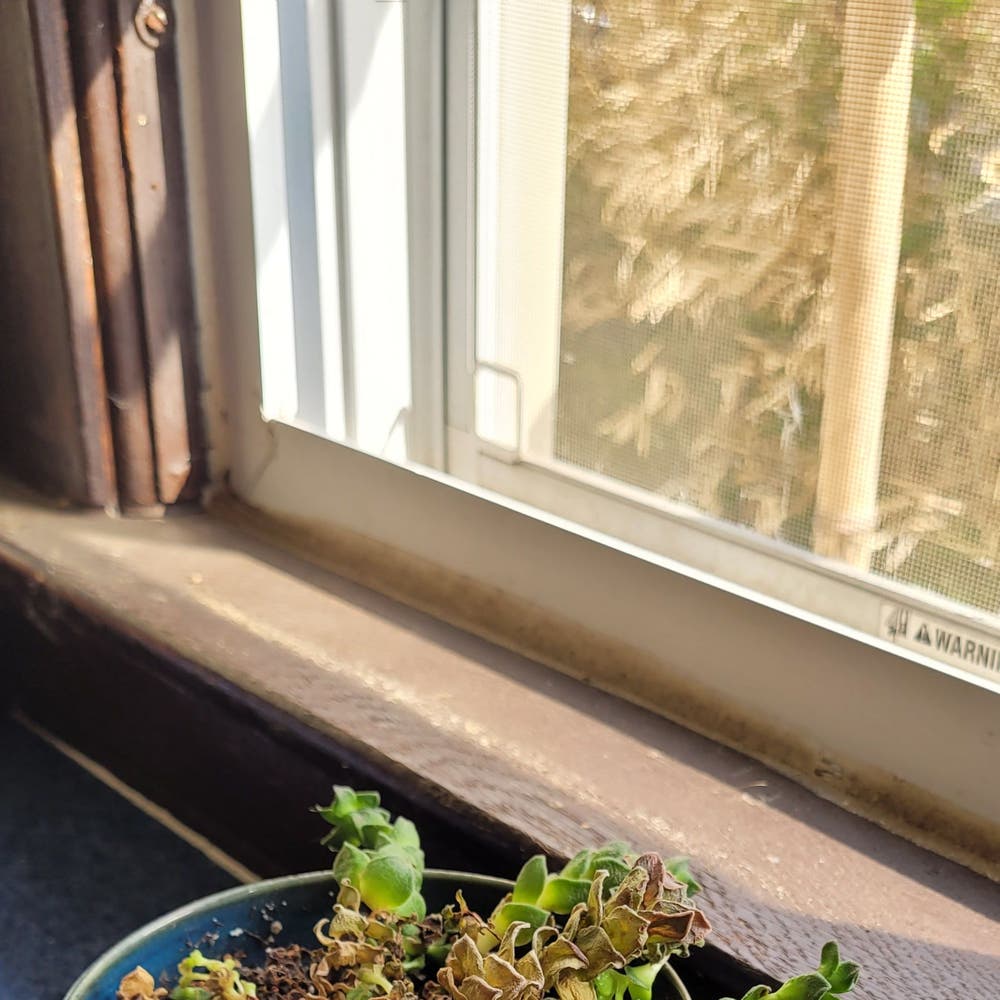
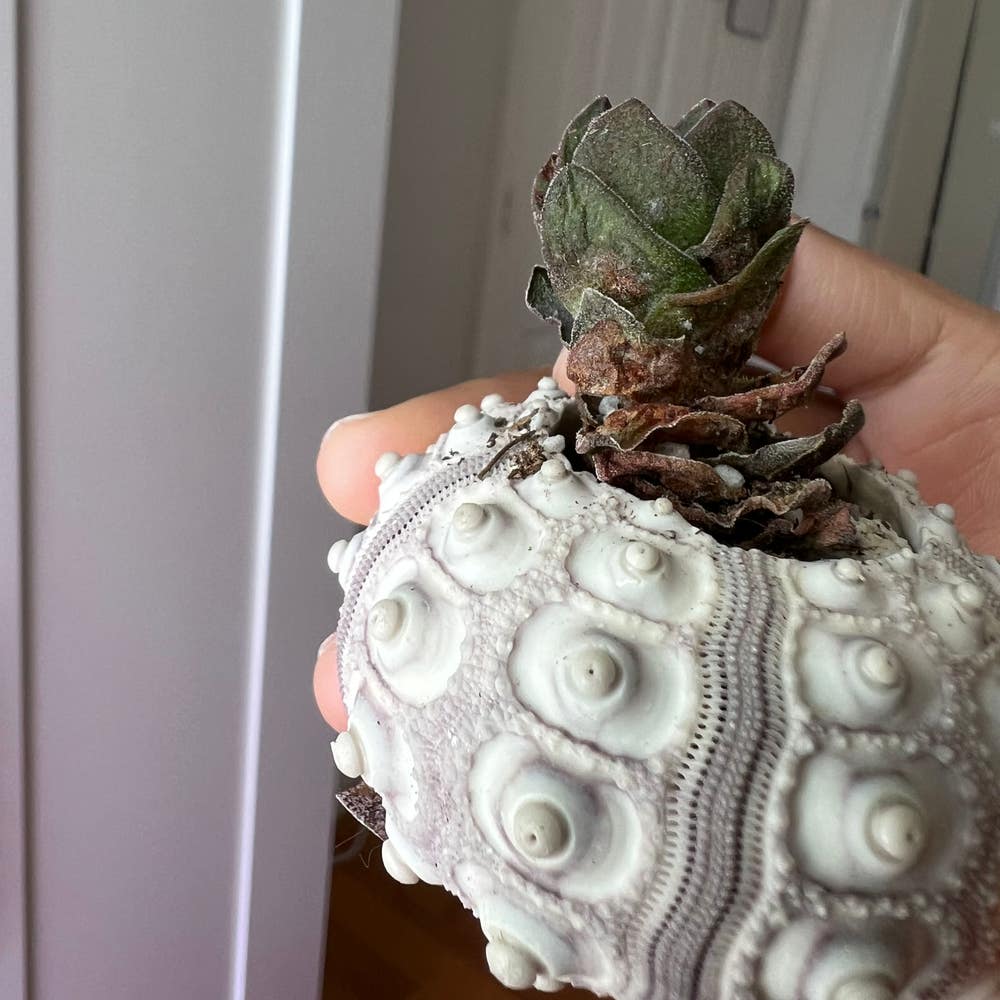
Droopy leaves are your 'Buddha's Temple' waving a white flag for water. If the leaves start to look less like a temple and more like a wilted salad, it's time to hydrate. On the flip side, yellow leaves or a stem with the consistency of overripe fruit scream 'too much!'
💦 The Dry Spell Rule
Let the soil hit a dry spell before you water again. Think of it as the plant equivalent of catching its breath. Dry topsoil down to a couple of inches? Green light for watering. If it feels like a damp sponge, hold off on the aqua.
🌦 Seasonal Shifts in Watering
Your 'Buddha's Temple' doesn't always drink the same amount year-round. Summer might see it guzzling water like there's no tomorrow, while in winter, it's more about sipping conservatively. Adjust your watering habits with the rhythm of the seasons.

How to Water Your 'Buddha's Temple'
💧 The Right Technique
Watering your Crassula 'Buddha's Temple' is more art than science. Check the soil before you water—stick a finger in; if the top inch is dry, it's time to hydrate.
Morning watering is your best bet to reduce evaporation and give your plant a solid start to the day. When you water, aim for a thorough soak, ensuring moisture reaches the roots without leaving the soil soggy.
🚱 Avoiding Common Pitfalls
Overwatering is the fast track to a plant funeral. Let the soil dry completely between waterings to prevent root rot.
Don't just water on autopilot—adjust for seasonal changes. Your plant's thirst in the balmy days of summer won't match its needs when winter rolls around.
Drainage holes in your pot aren't optional; they're your succulent's lifeline. And if you're using tap water, let it sit for a day to off-gas those harmful minerals.
Lastly, a soil moisture meter isn't overkill—it's your secret weapon in the battle against over and underwatering.

Tailoring Watering to Your Home Environment
💡 Light and Temperature's Role in Watering
Light and temperature are the unsung heroes in your 'Buddha's Temple' watering saga. More light and higher temperatures mean your succulent's soil dries out faster, signaling it's time for a drink. Conversely, if your green buddy is chilling in a low-light, cooler area, it'll need water less often. It's a straightforward dance: bright and warm, water more; dim and cool, water less.
🌬️ Humidity and Airflow Considerations
Humidity is the ninja of plant care—silent but impactful. High humidity means your 'Buddha's Temple' can go longer between waterings, while dry air might have it thirsting for more frequent sips. Airflow also plays a part; good circulation can prevent disease and mimic the natural drying process. No stiff breezes indoors? A gentle fan can work wonders. Remember, it's about finding that sweet spot where your plant is neither drowning nor parched.

The Perfect Home: Pot and Soil Essentials
🏡 Choosing the Right Pot
Finding the right pot for your Crassula 'Buddha's Temple' is like picking a house that’s just the right size—not too big, not too small. Drainage holes are non-negotiable; they're the escape route for excess water. A pot that's too large will hold more moisture than your succulent needs, risking root rot. Conversely, a tight pot cramps its style—and roots. Aim for a pot that gives your plant a bit of room to grow, generally about an inch or two larger than its current abode.
🌱 Soil Mix Mastery
The soil mix is where the magic happens. It's the bed where your 'Buddha's Temple' lays its roots. Well-draining is the mantra here. Mix ingredients like perlite or sand to get that loose, airy texture that lets water flow through with ease. Adding organic matter like worm castings can offer nutrients without waterlogging the soil. Remember, succulents prefer a spa-like environment—moist but not drenched. Think of crafting your soil mix as making a bespoke cocktail—each ingredient matters, and the right mix will keep your plant thriving.
⚠️ Safety First
This content is for general information and may contain errors, omissions, or outdated details. It is not medical, veterinary advice, or an endorsement of therapeutic claims.
Always consult a qualified healthcare professional before using any plant as food, medicine, or supplement.
Never eat any plant (or feed one to pets) without confirming its identity with at least two trusted sources.
If you suspect poisoning, call Poison Control (800) 222-1222, the Pet Poison Helpline (800) 213-6680, or your local emergency service immediately.
Spotted an error? Please report it here.
Let Greg's custom reminders keep your 'Buddha's Temple' perfectly watered 💧, adapting to seasons and your home's environment for that just-right touch.