💧 Why Are My Crassula 'Buddha's Temple' Leaves Mushy?
Crassula 'Buddha's Temple'
By the Greg Editorial Team
Jun 18, 2024•5 min read
This article was created with the help of AI so we can cover more plants for you. May contain errors. See one? Report it here.
Prevent your precious 'Buddha's Temple' 🌱 from succumbing to mushy leaf peril with these crucial care tips!
- 🚱 Overwatering leads to mushy leaves; check soil and pot weight.
- 🌱 Poor drainage and root rot are stealthy culprits; inspect roots and repot.
- 🌵 Use clay pots and gritty soil to maintain firm, healthy leaves.
Spotting the Signs of Trouble
🍄 Telltale Symptoms of Mushiness
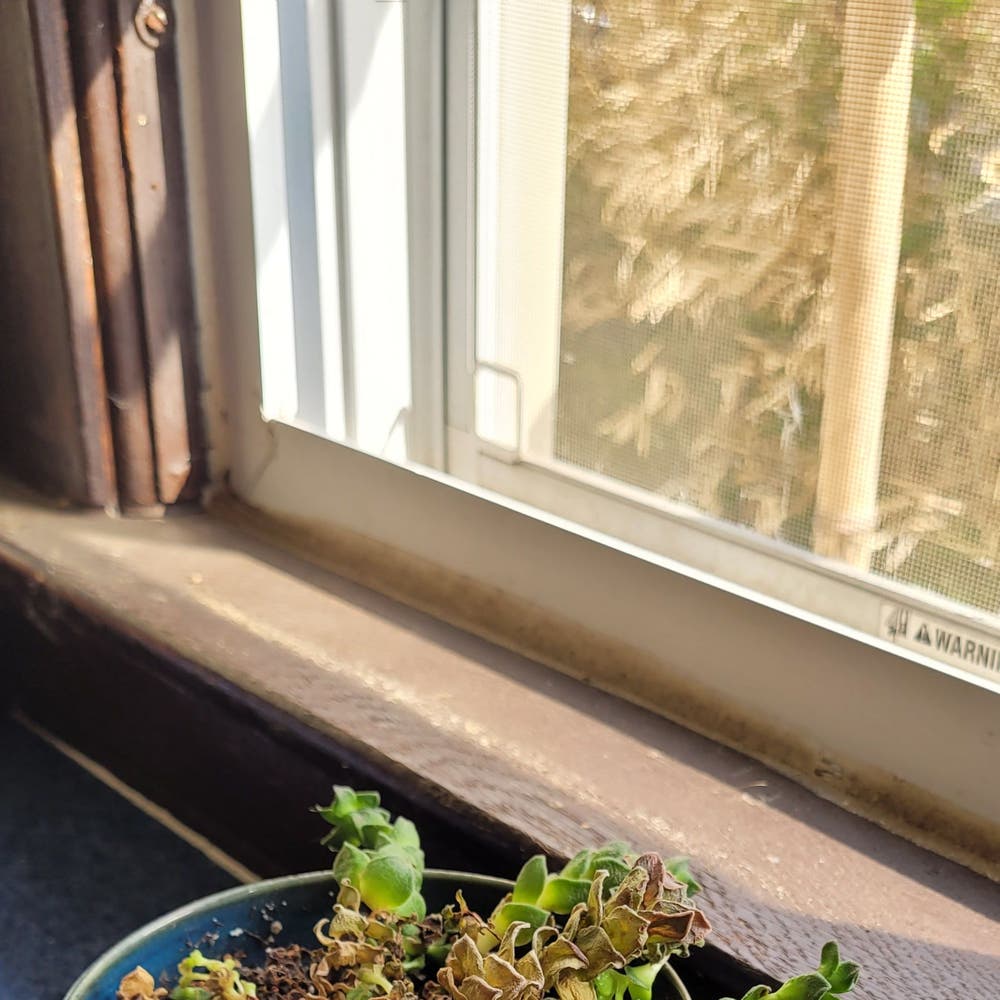
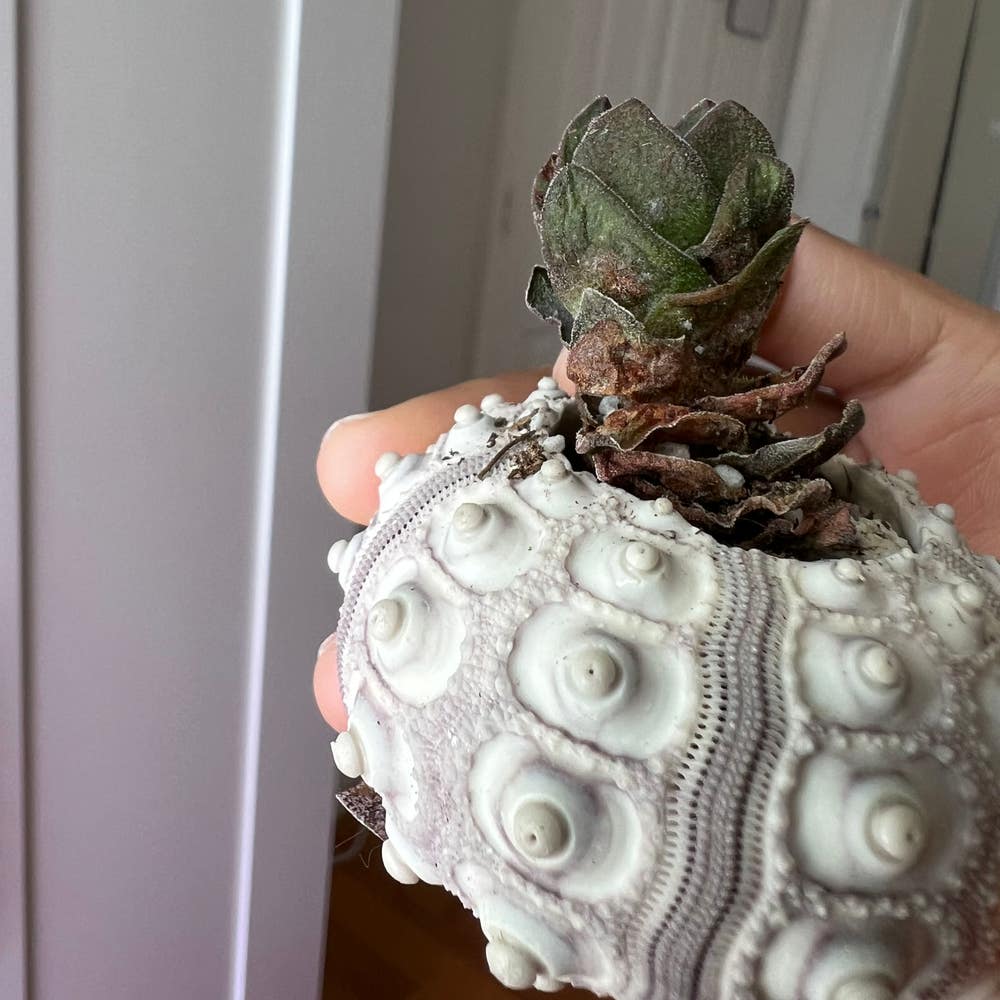
Discoloration often walks hand in hand with mushiness. If your Crassula 'Buddha's Temple' starts sporting leaves that look like they've been through a bleach cycle—faded green, yellow, or even brown—it's waving a white flag. The leaves should be firm, not feel like a squishy stress ball. When they start resembling overripe avocados, it's a clear distress signal.
🌊 How Mushiness Differs
Normal succulent leaves are the stoics of the plant world—plump yet resilient. But when they go soft, it's as if they've thrown in the towel. Translucency is a dead giveaway; it's like the leaves are turning into ghostly versions of their former selves. This isn't a normal costume change; it's a sign of waterlogged cells.
⏰ When to Worry
Mushiness doesn't just show up to the party uninvited; it brings friends. Progression is key—today's slightly soft leaf could be tomorrow's mush-fest. When the leaves start to feel like they've given up, it's time to spring into action.
🚫 The Point of No Return
Irreversible damage is like burnt toast; no amount of scraping will bring back the bread. If your plant's leaves are more flop than pop, and the roots smell like they're auditioning for a zombie movie, it's time to acknowledge the point of no return. Don't wait for a written invitation to intervene; by then, it might be too late.

Rooting Out the Causes
🌊 The Overwatering Conundrum
Overwatering is like giving your plants too much of a good thing. Leaf health is directly tied to your watering habits. If leaves are more slushie than succulent, you're likely overhydrating.
🕵️ How to tell if you're overdoing the hydration
Check the soil before you water; if it's damp, put the watering can down. A heavy pot often signals excess water, and if the soil clings to your finger, it's not time to water yet.
🚰 The Drainage Dilemma
Potting setup is crucial for preventing water retention. Poor drainage can turn your pot into a swampy mess.
🕵️ Quick checks to assess drainage efficiency
Does water pool on the surface or at the bottom? If yes, your drainage is failing the test. Ensure your pot has enough drainage holes; if not, it's time to drill.
🦠 The Root Rot Connection
Root rot is your plant's silent scream for help. It's a stealthy issue that leads to mushy leaves and a world of regret.
🚨 Spotting the hidden killer: signs of root rot
Yellow leaves, a foul odor from the soil, or roots that are black and mushy are all red flags. If you see these signs, root rot has likely set in.

Salvaging Your Succulent
🚑 Emergency Interventions
When your Crassula 'Buddha's Temple' starts feeling like a squishy marshmallow, act fast. First, cease all watering; your plant isn't on a swim team. Gently unpot the succulent to get a good look at the roots. If they're darker than your morning coffee and softer than your favorite pillow, it's a classic case of root rot.
🌱 The Repotting Rescue
Repotting is like a reset button for your succulent. Here's how to do it without breaking a sweat:
- Choose the right pot: Ensure it's just a size up from the current one and has more holes than a golf course.
- Root TLC: Snip off any roots that look like they've lost the will to live, using sterilized scissors. No room for sentimentality here.
- Soil mix magic: Mix your soil like you're a bartender at a plant club—aim for well-draining with a dash of perlite or sand.
- Plant and backfill: Place your succulent in its new abode and pack the soil like you're securing it for a trip to Mars.
- Watering: Give it a good drink, then let it be. Water it next when the soil feels like a dry joke—completely dry.
Remember, your Crassula is counting on you to not drown it in love. Keep the soil drier than a stand-up comedian's humor, and you'll have your succulent strutting its stuff again in no time.

Keeping Leaves Firm and Healthy
💧 Watering Wisdom
Fine-tuning your watering routine is like dialing in the perfect espresso shot—it's both an art and a science. Don't drown your Crassula 'Buddha's Temple' in love; instead, wait for the soil to dry out before giving it a thorough soak. This 'soak and dry' method ensures the roots get enough to drink without staying wet for too long.
The key is to avoid the leaves during your watering escapades. Use a long-necked watering can or a squeeze bottle to target the soil directly. Remember, succulents are not fans of wet feet, so make sure the water has a clear escape route.
🌱 Pot and Soil Perfection
Choosing the right pot is like picking a house that's just the right size—not too big, not too small. Clay pots are your succulent's best pals because they're breathable and help prevent water from overstaying its welcome.
As for the soil, think of it as the ultimate mattress for your plant's roots. A gritty, well-draining mix is non-negotiable. You can either buy a pre-made cactus mix or get your hands dirty making your own with one part organic matter and one part inorganic amendments like perlite or pumice. And don't forget a layer of grit on top to keep the base of the stems as dry as a good martini.
Remember, the right pot and soil mix are more than just a comfy home—they're your first line of defense against the mushy leaf menace.
⚠️ Safety First
This content is for general information and may contain errors, omissions, or outdated details. It is not medical, veterinary advice, or an endorsement of therapeutic claims.
Always consult a qualified healthcare professional before using any plant as food, medicine, or supplement.
Never eat any plant (or feed one to pets) without confirming its identity with at least two trusted sources.
If you suspect poisoning, call Poison Control (800) 222-1222, the Pet Poison Helpline (800) 213-6680, or your local emergency service immediately.
Spotted an error? Please report it here.
Avoid the distress of mushy leaves 🍂 by letting Greg guide your watering routine for a thriving 'Buddha's Temple' succulent.