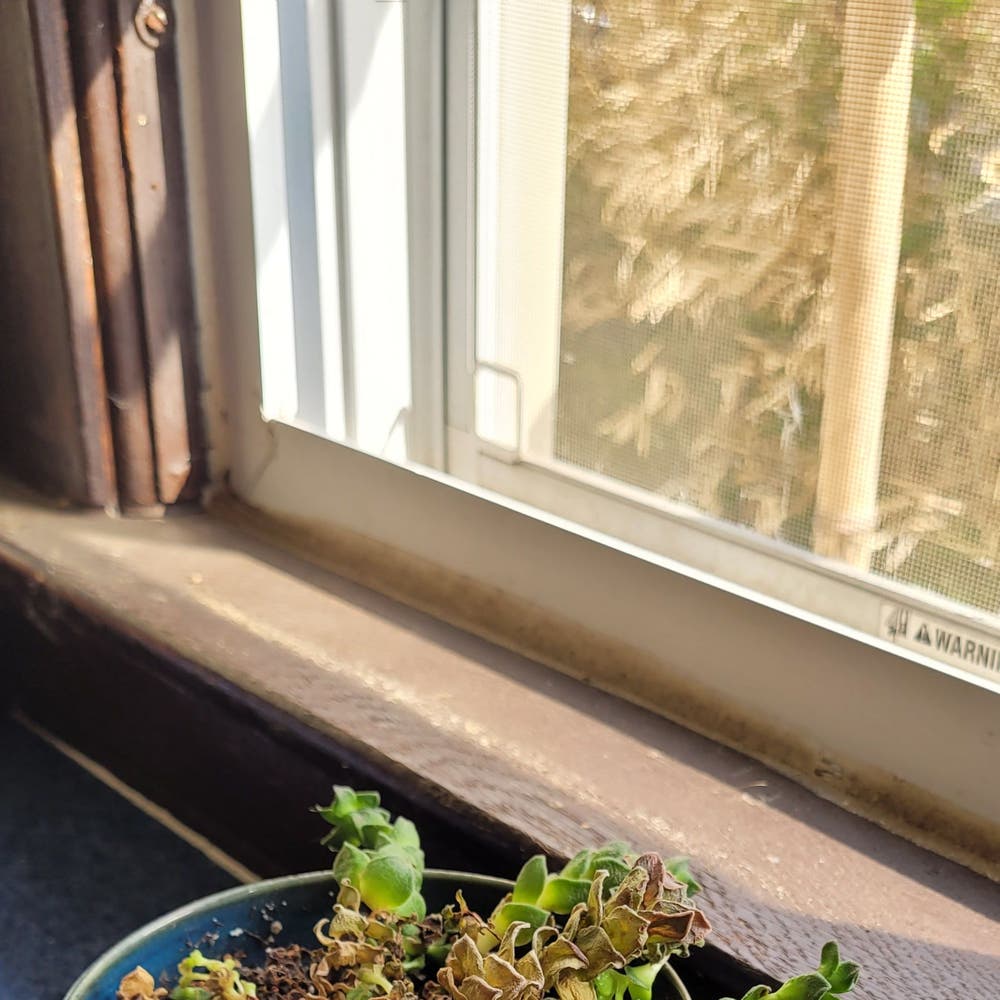
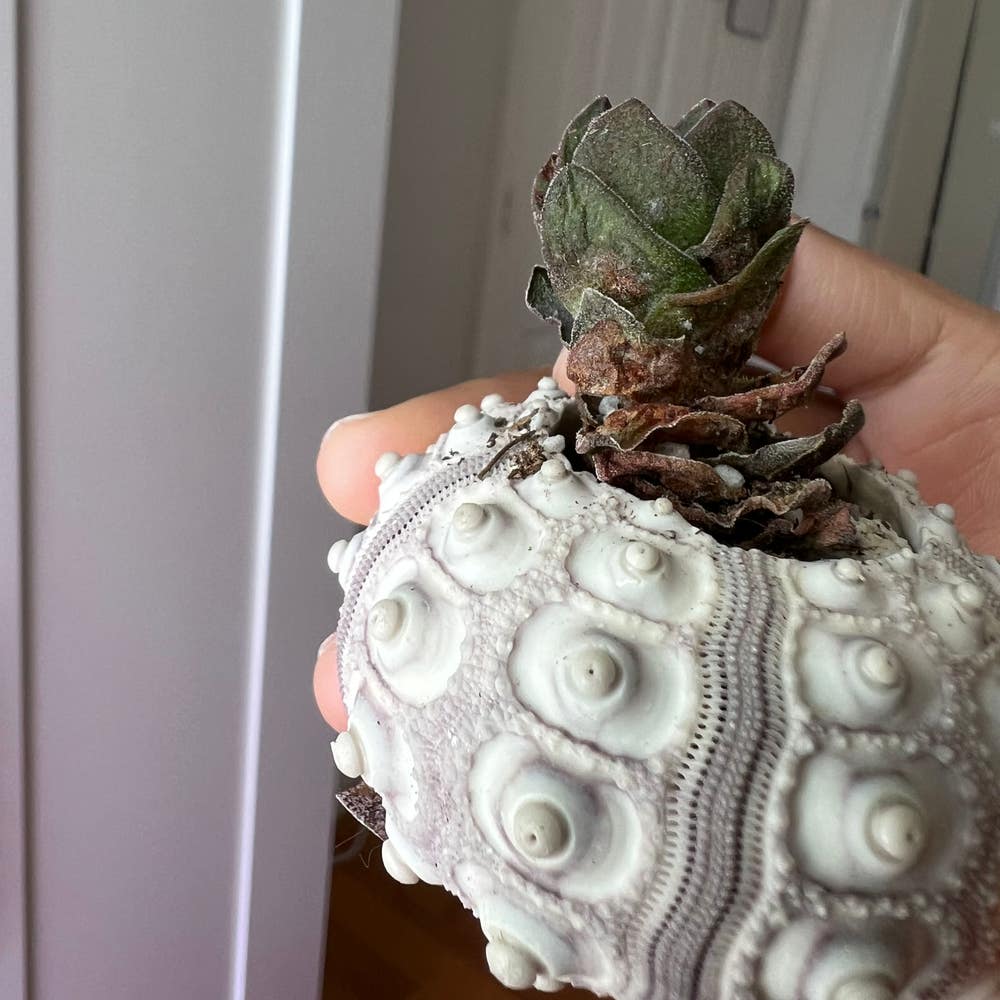
Why Is My Crassula 'Buddha's Temple' Not Doing Well?
Crassula 'Buddha's Temple'
By the Greg Editorial Team
Jun 18, 2024•5 min read
This article was created with the help of AI so we can cover more plants for you. May contain errors. See one? Report it here.
Revive your sculptural Crassula 'Buddha's Temple' 🌱 and transform your space into a succulent sanctuary.
- Over-watering? Yellow leaves, mushy stems—let soil dry, repot, trim, water sparingly.
- Under-watering signs: Shriveled leaves, stunted growth—soak soil, establish routine.
- Sun and cold: Protect from scorching, maintain warm temps to prevent withering.
Water Woes: Too Much or Too Little
💦 Over-watering
Yellowing leaves and mushy stems are the plant's way of waving a white flag. If your Crassula 'Buddha's Temple' is more swamp than sanctuary, you've gone overboard with the H2O.
🚑 SOS: Steps to rescue an over-watered plant
- Stop watering immediately and let the soil dry out.
- If the pot lacks drainage, repot into one that does, using well-draining soil.
- Trim any rotten roots or leaves to prevent spread.
- Resume watering with a less-is-more approach, checking the soil before giving it a drink.
🏜️ Under-watering
Shriveled leaves and stunted growth scream thirsty. When your plant looks more like a raisin than lush greenery, it's time to step up your watering game.
💧 Hydration Help: How to quench your plant's thirst effectively
- Soak the soil until water runs through the drainage holes, ensuring even moisture.
- Let the plant drain completely; no one likes wet feet.
- Establish a routine based on how quickly the soil dries, not the calendar.
- Monitor your plant's response and adjust accordingly—hydration is an art, not a science.

Light and Temperature: Finding the Sweet Spot
🌞 Too Much Sun
Recognizing the Signs of Too Much Light
Scorch marks on your Crassula 'Buddha's Temple' are a red flag for excessive sunlight. Leaves may exhibit crispy tips or brown patches, signaling an urgent need for shade.
Protecting Your Plant from Harsh Rays
To shield your plant from intense light, consider using a shade cloth during peak sun hours. Alternatively, reposition the plant to a spot with bright, indirect light where it can bask without the risk of sunburn.
❄️ Chilly Reception
How to Tell If Your Plant Is Too Cold
Cold stress in your 'Buddha's Temple' manifests as withered leaves and stunted growth. If the plant seems sluggish and the leaves start to yellow, it's time to warm things up.
Strategies for Maintaining an Ideal Temperature
Keep your plant away from drafty windows and doors. If necessary, use plant lamps to provide both light and warmth, creating a cozy microclimate. Remember, your plant prefers a steady climate, not a rollercoaster of temperature swings.

Attack of the Pests and Pathogens
🐜 Unwanted Guests
Pests can turn your Crassula 'Buddha's Temple' into their own personal buffet. Mealybugs and scale insects are the usual suspects, leaving your plant looking like a sad salad. Spot these freeloaders by their telltale white fluff or brown lumps.
Combat these critters with insecticidal soap or neem oil. It's like sending in the bouncers to clear out the riff-raff. For a more natural approach, introduce predator insects like ladybugs, who see aphids as a tasty snack.
🍄 Fungal Foes
Fungus is the silent party crasher you didn't invite. White or black spots on your plant are a dead giveaway. It's like finding mold on your favorite bread – not a good sign.
Increase airflow around your plant to give fungus the cold shoulder. If that doesn't work, consider a fungicide. It's the equivalent of cleaning up after a messy house party. And remember, keep those leaves dry; fungi hate a drought as much as partygoers hate an empty keg.

Root Rot: The Silent Killer
🚨 Rotten Luck: Early Detection of Root Rot
Root rot is the stealthy assassin of the plant world, often going unnoticed until it's too late. Mushy roots and a foul smell are the telltale signs that your Crassula 'Buddha's Temple' might be in trouble. Healthy roots should be firm and white, not soft, brown, or black. If your plant is wobbly or the leaves are wilting without an obvious cause, it's time to check the roots.
Root Recovery: Steps to Save Your Plant from Root Decay
When root rot strikes, think of it as a plant emergency room scenario. Immediate action is crucial. First, gently remove your plant from its pot and conduct a root autopsy. If the roots are more reminiscent of overcooked pasta than healthy tendrils, grab your sterilized scissors. It's time to cut away the rot, leaving only the healthy tissue behind.
Step 1: Trim the Damage
Snip off the affected roots with precision. This isn't the time for sentimentality; think of it as removing zombie flesh to save the rest.
Step 2: Fresh Soil and Pot
Repot your plant into fresh, well-draining soil. Consider a pot with better drainage to prevent future waterlogging.
Step 3: Adjust Watering Habits
Overwatering is often the culprit. Water your plant only when the soil is dry to the touch, and never let it sit in water.
Step 4: Recovery Care
Monitor your plant closely as it recovers. Keep it in a warm environment with indirect light, and resist the urge to overcompensate with water or fertilizer.
Step 5: Propagate if Necessary
If the situation looks grim, take healthy cuttings to propagate new plants. It's the plant equivalent of an escape pod, ensuring the survival of the species.
Remember, catching root rot early can mean the difference between a thriving plant and a botanical funeral. Stay vigilant and your 'Buddha's Temple' might just live to see another day.
⚠️ Safety First
This content is for general information and may contain errors, omissions, or outdated details. It is not medical, veterinary advice, or an endorsement of therapeutic claims.
Always consult a qualified healthcare professional before using any plant as food, medicine, or supplement.
Never eat any plant (or feed one to pets) without confirming its identity with at least two trusted sources.
If you suspect poisoning, call Poison Control (800) 222-1222, the Pet Poison Helpline (800) 213-6680, or your local emergency service immediately.
Spotted an error? Please report it here.
Revive your Crassula 'Buddha's Temple' with Greg's customized 🌞 watering reminders and care tips, ensuring it gets just the right amount of TLC to flourish!