💧 Why Are My Crassula 'Buddha's Temple' Leaves Curling?
Crassula 'Buddha's Temple'
By the Greg Editorial Team
Jun 18, 2024•4 min read
This article was created with the help of AI so we can cover more plants for you. May contain errors. See one? Report it here.
Solve the curling leaf mystery 🌿 of your Crassula 'Buddha's Temple' and ensure its sculptural beauty thrives!
- 🌱 Over/underwatering causes leaf curl; downward/upward curling indicates which.
- 🌞 Balance light and heat to keep leaves flat.
- 🛡️ Inspect and evict pests regularly for plant health.
Spotting the Signs of Leaf Curling
🚩 Telltale Symptoms
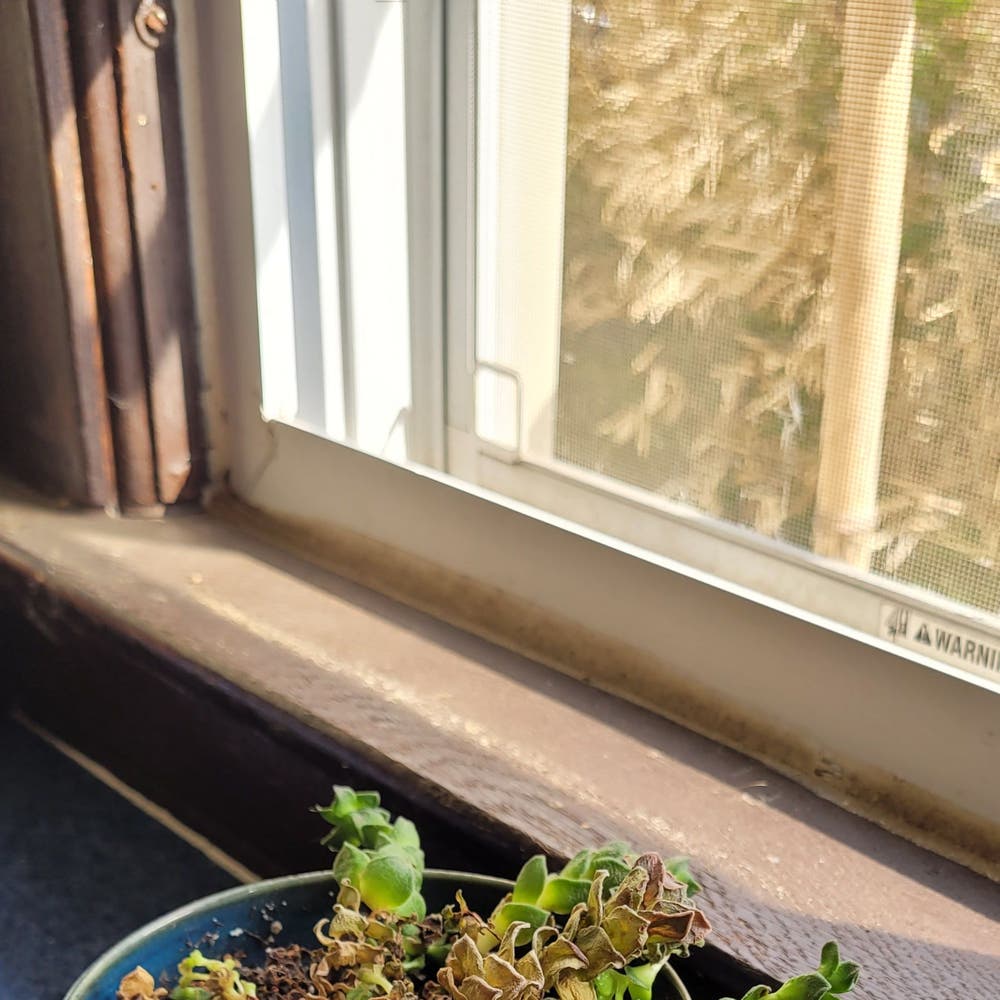
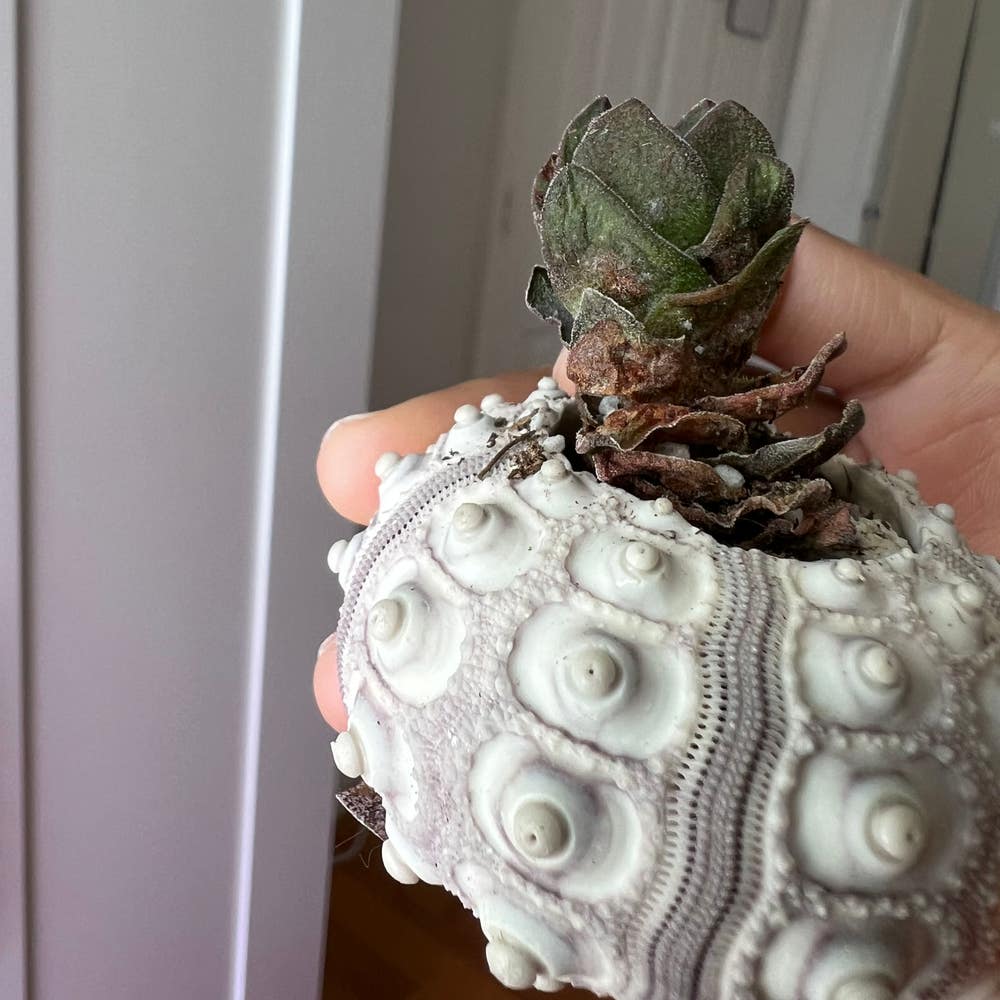
Crassula 'Buddha's Temple' leaves curling is your plant's version of waving a red flag. Early signs include leaves rolling inward, resembling tiny green scrolls. Crispy edges? That's the plant's equivalent of a parched throat, begging for a drink.
🚰 Over vs. Under: The Watering Balancing Act
Brown spots and dropping leaves are the plant's cryptic way of saying it's either drowning in water or gasping for moisture. To discern, feel the soil. If it's as dry as a comedian's wit, it's time to water. Soggy like a wet sponge? Hold off on the H2O.

Unraveling the Causes of Curling Leaves
🌊 Too Much Love: The Perils of Overwatering
Drenched roots can't breathe, leading to the droopy, downward curl of overwatered Crassula 'Buddha's Temple' leaves. It's a classic case of too much love. To spot the soggy culprits, check if your plant's soil feels like a wet sponge. If it does, you've gone overboard with the watering can.
🏜️ Thirsty Roots: When Underwatering Takes a Toll
Conversely, leaves curling upward signal a cry for hydration, a desperate attempt to conserve water. Underwatering makes leaves as brittle as autumn leaves in a breeze. Don't wait for your plant to send an SOS; if the top inch of soil is dry, it's time to quench that thirst.
🌞 Light and Heat: Finding the Sweet Spot
Crassula 'Buddha's Temple' is picky about its sunbathing habits. Too much light, and leaves curl away, seeking shelter. Too little, and they reach for the sky, yearning for more. Aim for a Goldilocks zone of bright, indirect light to keep those leaves flat and happy.
🐜 Unwanted Guests: Pest Problems
Pests are like uninvited party crashers, causing leaves to curl as they feast. Be on the lookout for tiny freeloaders like aphids and mealybugs. If you spot these pests, it's time for an eviction notice. Regular inspections will help catch these critters before they turn your 'Buddha's Temple' into their playground.

Turning Over a New Leaf: Fixing the Curl
💧 Water Wisdom: Perfecting Your Pour
Consistency is your new best friend when it comes to watering your Crassula 'Buddha's Temple'. The soak and dry method is not just a fancy term; it's your plant's lifeline. Water thoroughly when the top few inches of soil are bone-dry, then let it be until the next watering session. Overwatering is the fast track to curl city, so resist the urge to water on a schedule—your plant doesn't wear a watch.
🌡️ Climate Control: Creating the Ideal Environment
Your 'Buddha's Temple' doesn't need a sauna or an ice bath; it craves that Goldilocks zone. Aim for a spot with bright, indirect sunlight and a stable temperature range. If your succulent's leaves start to resemble a crinkle-cut chip, it might be time to dial down the heat or find a sunnier spot.
🐜 Evicting Pests: Safeguarding Your Succulent
Pests are the party crashers of the plant world, and they love to make a meal of your 'Buddha's Temple'. Keep an eye out for the telltale signs: tiny bugs, sticky residue, or a plant that looks like it's been through a leafy war. Show these pests the door with a gentle but firm application of insecticidal soap or neem oil. Remember, quarantine is not just for humans; give new plants a time-out before introducing them to your garden family.

Prevention: Keeping Leaves Happy and Healthy
💧 The Right Stuff: Soil and Pot Perfection
Choosing the right soil and pot is crucial for preventing leaf curling in your Crassula 'Buddha's Temple'. Well-draining soil is a must-have; think of it as the plant's comfy bed where it can rest without getting waterlogged. The pot size should be the Goldilocks of containers—not too big, not too small—and must have adequate drainage holes. Terracotta pots are great for breathability, but if you're a bit forgetful with watering, plastic might be more forgiving.
👩⚕️ Regular Check-Ups: Monitoring Plant Health
Regular monitoring is like being a plant detective; it's all about catching the early signs before they turn into a full-blown plant crisis. Feel the soil, look for pests, and check the leaves. If the roots are starting to circle the pot like they're on a track, it's time to give them more space. This is like upgrading to a bigger house—it's all about giving your plant room to grow. Keep your plant's home clean by removing dead leaves and debris, which are like welcome mats for pests. Remember, prevention isn't just about avoiding problems; it's about creating a thriving environment for your 'Buddha's Temple'.
⚠️ Safety First
This content is for general information and may contain errors, omissions, or outdated details. It is not medical, veterinary advice, or an endorsement of therapeutic claims.
Always consult a qualified healthcare professional before using any plant as food, medicine, or supplement.
Never eat any plant (or feed one to pets) without confirming its identity with at least two trusted sources.
If you suspect poisoning, call Poison Control (800) 222-1222, the Pet Poison Helpline (800) 213-6680, or your local emergency service immediately.
Spotted an error? Please report it here.
Keep your Crassula 'Buddha's Temple' leaves unfurled 🌿 with Greg's custom care reminders and health monitoring for a thriving, curl-free plant.