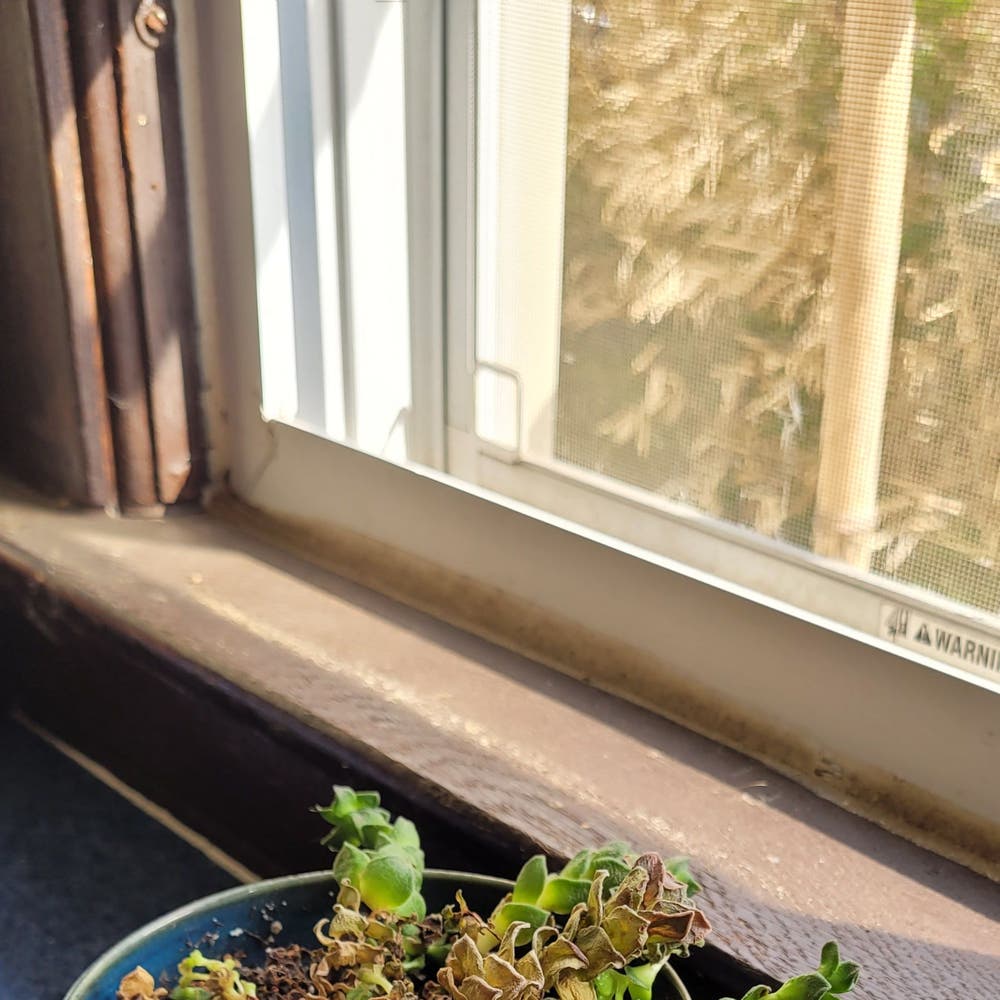
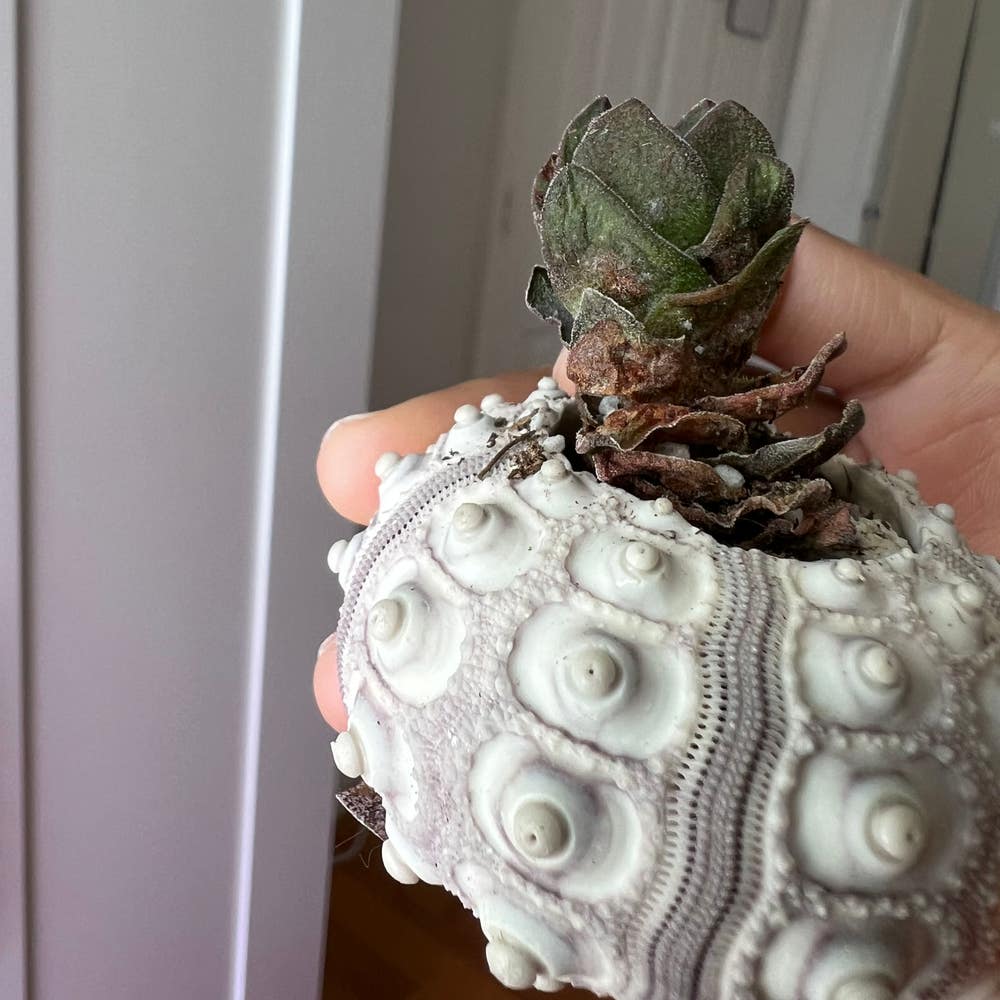
🌵 Crassula 'Kimnachi' Explained: Key Information
Crassula 'Buddha's Temple'
By the Greg Editorial Team
Jan 24, 2025•15 min read
This article was created with the help of AI so we can cover more plants for you. May contain errors. See one? Report it here.
Unlock the secrets to thriving Crassula 'Kimnachi' care and elevate your indoor garden! 🌱
- 🌞 Crassula 'Kimnachi' thrives in bright, indirect sunlight for optimal growth.
- 💧 Water only when the top inch of soil is dry to prevent root issues.
- 🌱 Low-maintenance and resilient, perfect for beginners and indoor gardening enthusiasts.
How to Grow
Choosing a Location 🌞
Crassula 'Kimnachi' thrives in bright, indirect sunlight. Whether indoors or outdoors, ensure the plant receives ample light without direct exposure, which can scorch its leaves.
Soil Preparation 🏜️
For optimal growth, use a well-draining succulent mix. This type of soil is crucial for maintaining the right pH and drainage, preventing root rot and promoting healthy root development.
Planting Techniques 🌱
Select a container that is appropriately sized and made from breathable materials like terracotta. When planting, ensure the depth allows for adequate root space and maintain proper spacing between plants to encourage airflow.
Watering Requirements 🚰
Water your Crassula 'Kimnachi' when the top inch of soil feels dry. Be vigilant for signs of overwatering, such as yellowing leaves, and underwatering, which may cause shriveling.
Fertilizing Schedule 🍽️
Use a balanced fertilizer with an NPK ratio of 10-10-10 during the growing season. Fertilize every 4-6 weeks to support healthy growth, but avoid over-fertilizing, which can harm the plant.
Pruning Methods ✂️
Prune your plant in the spring to maintain its shape and health. Use sharp, clean tools to remove dead or damaged leaves, promoting new growth and enhancing aesthetics.
Ongoing Care Tips 🛡️
Regularly check for pests and diseases, as early detection is key. Adjust care routines seasonally, ensuring your Crassula 'Kimnachi' receives the right conditions throughout the year.
With these guidelines, you're well on your way to cultivating a thriving Crassula 'Kimnachi'. Next, let's explore how to propagate this resilient succulent.
Propagation
🌿 Leaf Cuttings
Taking leaf cuttings from your Crassula 'Kimnachi' is a straightforward way to propagate this charming succulent. Start by selecting a healthy leaf; gently twist it off the stem to avoid damage.
Next, allow the leaf to dry for a day or two until a callus forms on the cut end. This helps prevent rot when you plant it. Afterward, place the leaf on top of well-draining succulent soil and lightly mist it. Keep the soil slightly moist and in indirect sunlight, and roots should develop within a few weeks.
✂️ Stem Cuttings
Stem cuttings offer another effective propagation method, though it requires a bit more finesse. Begin by cutting a healthy stem just below a leaf node, ensuring the cutting is at least a few inches long.
Let the cutting dry for a day to form a callus, then plant it upright in a pot filled with succulent mix. Water sparingly until roots establish, which typically takes a few weeks. This method can yield a robust new plant with proper care.
🌱 Offsets Division
Offsets, or baby plants, are a natural way for Crassula 'Kimnachi' to propagate. Look for small rosettes growing at the base of the parent plant, which can be gently pulled away.
Use a clean, sharp tool to separate the offsets from the main plant, ensuring each has some roots attached. Replant them in their own pots with well-draining soil, and watch them thrive as they grow into independent plants.
🌼 Seed Propagation
Seed propagation is a more challenging but rewarding method for those looking to expand their Crassula collection. Start by collecting seeds from mature flowers, which can be tricky since 'Kimnachi' may not flower regularly indoors.
Once you have seeds, sow them in a shallow tray filled with a light, well-draining mix. Keep the soil moist but not soggy, and place the tray in a warm, bright location. Germination can take several weeks, so patience is key. Once seedlings are established, transplant them into individual pots for further growth.
With these propagation techniques, you can easily expand your Crassula 'Kimnachi' collection or share the joy of this delightful plant with friends. Next, let’s explore the lifecycle of this succulent to understand its growth stages better.
Lifecycle
🌱 Lifecycle Stages
Crassula 'Kimnachi' goes through several distinct stages from seed or cutting to maturity. Understanding these stages helps you provide the right care at each phase.
🌡️ Conditions for Successful Germination
For successful germination, seeds need warmth and moisture. A temperature range of 70-80°F (21-27°C) is ideal, along with a well-draining soil mix to prevent rot.
💧 Care Requirements During the Seedling Phase
Once germinated, seedlings require bright, indirect light and consistent moisture. Avoid overwatering, as young plants are particularly vulnerable to root rot.
🌿 Characteristics of the Vegetative Growth Phase
During the vegetative phase, Crassula 'Kimnachi' develops its signature fleshy leaves and compact growth. This stage is marked by rapid growth, so ensure it receives adequate light and nutrients.
🌼 Overview of Flowering Habits and Seed Production
As the plant matures, it may produce clusters of small, star-shaped flowers. These blooms typically appear in late spring or early summer, followed by seed production if pollination occurs.
⏳ Typical Lifespan and Growth Rate Specifics
Crassula 'Kimnachi' can live for several years with proper care. Its growth rate varies based on environmental conditions, but with optimal light and watering, you can expect noticeable growth within a few months.
Understanding the lifecycle of Crassula 'Kimnachi' not only enhances your gardening skills but also deepens your appreciation for this resilient succulent. Next, let’s explore how to maintain its size and health effectively.
Size
Mature Height and Spread 🌱
Crassula 'Kimnachi' typically reaches a mature height of 6 to 12 inches. Its compact size makes it an ideal choice for both indoor and outdoor settings.
Growth Rate and Size Variability 📈
The growth rate of Crassula 'Kimnachi' can vary based on several factors. These include light exposure, soil quality, and watering practices, all of which play a crucial role in determining how quickly your plant grows.
Factors Affecting Size 🌿
Light, soil, and watering significantly impact the size of your Crassula 'Kimnachi'. Providing bright, indirect sunlight, using a well-draining soil mix, and maintaining a consistent watering schedule will help your plant thrive and reach its full potential.
Understanding these elements will not only enhance your plant's growth but also ensure it remains healthy and vibrant. As you care for your Crassula 'Kimnachi', keep these factors in mind to achieve the best results.
Next, let's explore the roots of this fascinating plant and what makes them unique.
Roots
Root System Characteristics 🌱
Crassula 'Kimnachi' features a shallow root system that allows it to thrive in well-draining soil. This characteristic helps the plant absorb moisture efficiently while preventing waterlogging.
Depth and Spread 📏
Typically, the roots extend only a few inches deep, spreading outwards rather than downwards. This shallow structure supports the plant's stability and nutrient uptake.
Common Root-Related Issues ⚠️
Root rot is a common concern for Crassula 'Kimnachi', often caused by overwatering or poorly draining soil. To prevent this, ensure your pot has drainage holes and allow the soil to dry out between waterings.
Identifying Healthy vs. Unhealthy Roots 🔍
Healthy roots are firm and white, indicating good moisture levels. In contrast, unhealthy roots may appear brown or mushy, signaling potential rot.
Recognizing Rootbound Plants 🪴
If you notice stunted growth or roots emerging from the drainage holes, your plant may be rootbound. To remedy this, consider repotting into a larger container to give the roots more space to grow.
Understanding the root system of Crassula 'Kimnachi' is crucial for its overall health. By monitoring root conditions and addressing issues promptly, you can ensure your plant thrives beautifully. Next, let’s explore the benefits of this remarkable succulent.
Benefits
🌿 Aesthetic Appeal
Crassula 'Kimnachi' boasts striking visual characteristics that make it a standout in any collection. Its vibrant green leaves, often tinged with red edges, create a stunning contrast that can brighten up any space.
🌬️ Air Purification
This succulent isn't just a pretty face; it also contributes to indoor air quality. By absorbing toxins and releasing oxygen, Crassula 'Kimnachi' helps create a healthier living environment.
🧘♀️ Low Maintenance
One of the best features of Crassula 'Kimnachi' is its low-maintenance nature. It thrives on neglect, requiring minimal watering and care, making it perfect for busy plant lovers or beginners.
🎁 Symbolism in Culture
In various cultures, succulents like Crassula 'Kimnachi' symbolize resilience and endurance. Their ability to thrive in harsh conditions resonates with many, making them a popular choice for gifts and home decor.
🌱 Therapeutic Benefits
Caring for succulents can have therapeutic effects, promoting mindfulness and reducing stress. The simple act of tending to plants can bring joy and a sense of accomplishment, enhancing overall well-being.
As you explore the benefits of Crassula 'Kimnachi', consider how these aspects can enrich your life and space. Next, let's delve into the fascinating world of companion plants that thrive alongside this succulent.
Companion Plants
🌱 Concept of Companion Planting
Companion planting is the practice of growing different plants together for mutual benefits. This can enhance growth, deter pests, and improve overall plant health.
🌼 Best Companion Plants
When it comes to Crassula 'Kimnachi', several plants thrive alongside it:
- Aloe Vera: Shares similar light and water needs, making it a perfect partner.
- Sedum: This succulent complements 'Kimnachi' with its vibrant colors and low maintenance.
- Echeveria: Offers a beautiful contrast in shape and texture, enhancing visual appeal.
These companions not only coexist well but also create a stunning display in your garden or home.
🚫 Plants to Avoid
While many plants can thrive with Crassula 'Kimnachi', some should be avoided:
- Cacti: They may compete for resources and can lead to over-drying of the soil.
- Heavy feeders: Plants that require a lot of nutrients can outcompete 'Kimnachi' for essential resources.
Choosing the right companions ensures a harmonious environment for your Crassula, promoting healthy growth and vibrant aesthetics.
As you plan your succulent garden, consider these companion planting strategies to maximize your plant's potential. Next, let's explore the fascinating world of Crassula 'Kimnachi' propagation techniques!
Toxicity to Humans
Potential Irritation 🌿
Crassula 'Kimnachi' can cause irritation if ingested or if its sap comes into contact with skin. The leaves and stems are the primary culprits, containing compounds that may lead to discomfort.
Symptoms of Irritation 🚨
If irritation occurs, symptoms may include redness, itching, or a burning sensation. These reactions typically arise from handling the plant without gloves or consuming its parts.
When to Seek Medical Care 🏥
In most cases, symptoms are mild and can be treated at home. However, if irritation persists or worsens, it's wise to consult a healthcare professional for advice.
Safe Handling Tips 🧤
To minimize risks, always wear gloves when handling Crassula 'Kimnachi'. Wash your hands thoroughly after contact, and keep the plant out of reach of children and pets to prevent accidental ingestion.
Understanding these precautions will help you enjoy your succulent without worry. Now, let’s explore how to keep your Crassula 'Kimnachi' thriving with ongoing care tips.
Toxicity to Dogs
⚠️ Potential Irritation
Crassula 'Kimnachi' can pose some risks to dogs, particularly if they decide to chew on its leaves. The parts of the plant that may cause irritation include the leaves and stems, which can lead to discomfort.
🤢 Symptoms of Discomfort
If your dog has ingested any part of this succulent, watch for symptoms like drooling, vomiting, or diarrhea. These signs indicate that your furry friend may be experiencing gastrointestinal upset due to the plant's compounds.
🩺 When to Seek Veterinary Care
While Crassula 'Kimnachi' is not classified as highly toxic, it's always wise to err on the side of caution. If your dog shows severe symptoms or if you're unsure about the level of irritation, contact your veterinarian for guidance.
📉 Toxicity Level Statement
In general, the toxicity level of Crassula 'Kimnachi' is considered low for dogs. However, it's essential to monitor your pet and keep this plant out of reach to prevent any potential issues.
By being aware of these factors, you can enjoy your succulent while ensuring your dog's safety. Next, let’s explore how this plant can affect our feline friends.
Toxicity to Cats
⚠️ Potential Irritation
Crassula 'Kimnachi' can pose some risks to our feline friends. The leaves and stems contain compounds that may cause irritation if ingested.
🤢 Symptoms of Discomfort
If a cat nibbles on this succulent, you might notice symptoms like drooling, vomiting, or a lack of appetite. These reactions can occur as the cat's body attempts to expel the irritants.
🏥 When to Seek Veterinary Care
If your cat shows persistent symptoms or seems particularly distressed, it's wise to consult a veterinarian. While Crassula 'Kimnachi' isn't classified as highly toxic, it's always better to err on the side of caution.
🐾 Toxicity Level Statement
Overall, Crassula 'Kimnachi' is considered to have low toxicity for cats. However, keeping this plant out of reach is a smart move to prevent any potential mishaps.
With proper care and awareness, you can enjoy your succulent while keeping your furry companions safe.
Problems
Common Issues 🌱
Crassula 'Kimnachi' can face several common problems that may hinder its growth and overall health. Understanding these issues is key to keeping your plant thriving.
Key Indicators of Plant Distress 🚨
Look for signs like wilting leaves, discoloration, or stunted growth. These symptoms often indicate underlying issues that need immediate attention.
Overwatering 💧
Overwatering is a frequent culprit for plant distress. If the leaves are mushy or turning yellow, it’s a strong sign that your plant is sitting in too much moisture.
To resolve this, allow the soil to dry out completely before watering again. Ensure your pot has adequate drainage to prevent water from pooling at the bottom.
Light Issues 💡
Insufficient or excessive light can also affect your Crassula 'Kimnachi'. If the leaves are stretching or becoming pale, your plant may not be getting enough light.
Conversely, if the leaves are scorched or browning, it’s likely receiving too much direct sunlight. Adjust its location to find the perfect balance.
Diseases 🦠
Fungal infections can plague succulent plants, particularly if they are overwatered. Look for black spots or a fuzzy mold on the leaves.
To combat this, remove affected leaves and improve air circulation around the plant. If the problem persists, consider using a fungicide.
Root Problems 🥴
Root rot is another serious issue that can arise from overwatering. If you notice a foul smell or dark, mushy roots when inspecting the root system, it’s time to act.
Trim away the affected roots and repot the plant in fresh, dry soil. This will help rejuvenate your Crassula and promote healthier growth.
Conclusion 🎉
By keeping an eye on these common problems and their indicators, you can ensure your Crassula 'Kimnachi' remains healthy and vibrant. Next, let’s explore the fascinating world of pests that may threaten your succulent’s well-being.
Bugs
🐞 Common Pests
Crassula 'Kimnachi' can attract a few unwelcome guests. The most common pests include mealybugs, aphids, and spider mites.
Mealybugs are small, white, cotton-like insects that often cluster in leaf joints. They suck sap from the plant, leading to yellowing leaves and stunted growth.
Aphids are tiny, green or black bugs that can be found on new growth. Their presence can cause curling leaves and a sticky residue known as honeydew.
Spider mites are even smaller and can be identified by fine webbing on the plant. They thrive in dry conditions and can cause leaf discoloration and drop.
🔍 Signs of Pest Presence and Damage
Recognizing the signs of pest damage early can save your plant. Look for:
- Yellowing or curling leaves
- Sticky residue on leaves or surrounding surfaces
- Visible insects or webbing on the plant
If you notice any of these symptoms, it’s time to take action.
🛠️ Effective Methods for Pest Control
Controlling pests on your Crassula 'Kimnachi' doesn't have to be a hassle. Here are some effective methods:
Manual Removal: For small infestations, simply wipe pests off with a damp cloth or use a soft brush.
Insecticidal Soap: This is a safe option for treating mealybugs and aphids. Spray it directly on the affected areas, following the product instructions.
Neem Oil: A natural pesticide that disrupts the life cycle of pests. Mix it with water and spray on the plant, ensuring thorough coverage.
Diatomaceous Earth: Sprinkle this powder around the base of the plant. It’s effective against crawling insects and is safe for your plant.
Regular Monitoring: Keep an eye on your plant's health. Regular checks can help catch infestations early before they escalate.
By staying vigilant and employing these pest control methods, you can keep your Crassula 'Kimnachi' thriving and beautiful. Next, let’s explore what animals might be interested in snacking on your succulent.
What Eats Crassula 'Kimnachi'
🐌 Common Animals
Crassula 'Kimnachi' can attract a variety of animals that may munch on its succulent leaves. Common culprits include snails, slugs, and certain insects like aphids and mealybugs.
🔍 Indicators of Animal Activity
Look for signs of nibbling on the leaves or a slimy trail left by snails and slugs. Additionally, you might notice a sticky residue from aphids or white cottony masses from mealybugs, indicating their presence.
⚠️ Types of Damage Caused
Animals can cause significant damage by consuming leaves, leading to stunted growth and unsightly appearance. In severe cases, infestations can weaken the plant, making it more susceptible to diseases.
🛡️ Strategies for Managing and Deterring Animals
To protect your Crassula 'Kimnachi', consider using barriers like copper tape or diatomaceous earth around the pot. Regularly inspect your plant and remove any pests manually to keep them at bay.
For a more proactive approach, you can introduce natural predators like ladybugs, which feast on aphids. Additionally, maintaining proper watering and light conditions can help keep your plant healthy and less appealing to unwanted visitors.
With these strategies, you can enjoy your Crassula 'Kimnachi' without the worry of it becoming a snack for local wildlife. Now, let’s explore the potential irritations this plant may cause to humans.
⚠️ Safety First
This content is for general information and may contain errors, omissions, or outdated details. It is not medical, veterinary advice, or an endorsement of therapeutic claims.
Always consult a qualified healthcare professional before using any plant as food, medicine, or supplement.
Never eat any plant (or feed one to pets) without confirming its identity with at least two trusted sources.
If you suspect poisoning, call Poison Control (800) 222-1222, the Pet Poison Helpline (800) 213-6680, or your local emergency service immediately.
Spotted an error? Please report it here.
Keep your Crassula 'Kimnachi' thriving and vibrant 🌱 with Greg's tailored watering reminders and expert tips, ensuring you enjoy this resilient succulent for years to come!