How Do I Cure Crassula 'Buddha's Temple' Root Rot?
Crassula 'Buddha's Temple'
By the Greg Editorial Team
Jun 18, 2024•3 min read
This article was created with the help of AI so we can cover more plants for you. May contain errors. See one? Report it here.
Rescue your Crassula from root rot 🚑 and ensure its zen-like tranquility with this lifesaving care guide. 🌿
- 🚩 Discolored leaves and mushy roots signal root rot.
- ✂️ Trim rotten roots, repot with well-draining soil and pot.
- 💧 Adjust watering habits based on soil dryness and season.
Spotting the Trouble: Recognizing Root Rot in Your Plant
🚨 Visual Red Flags
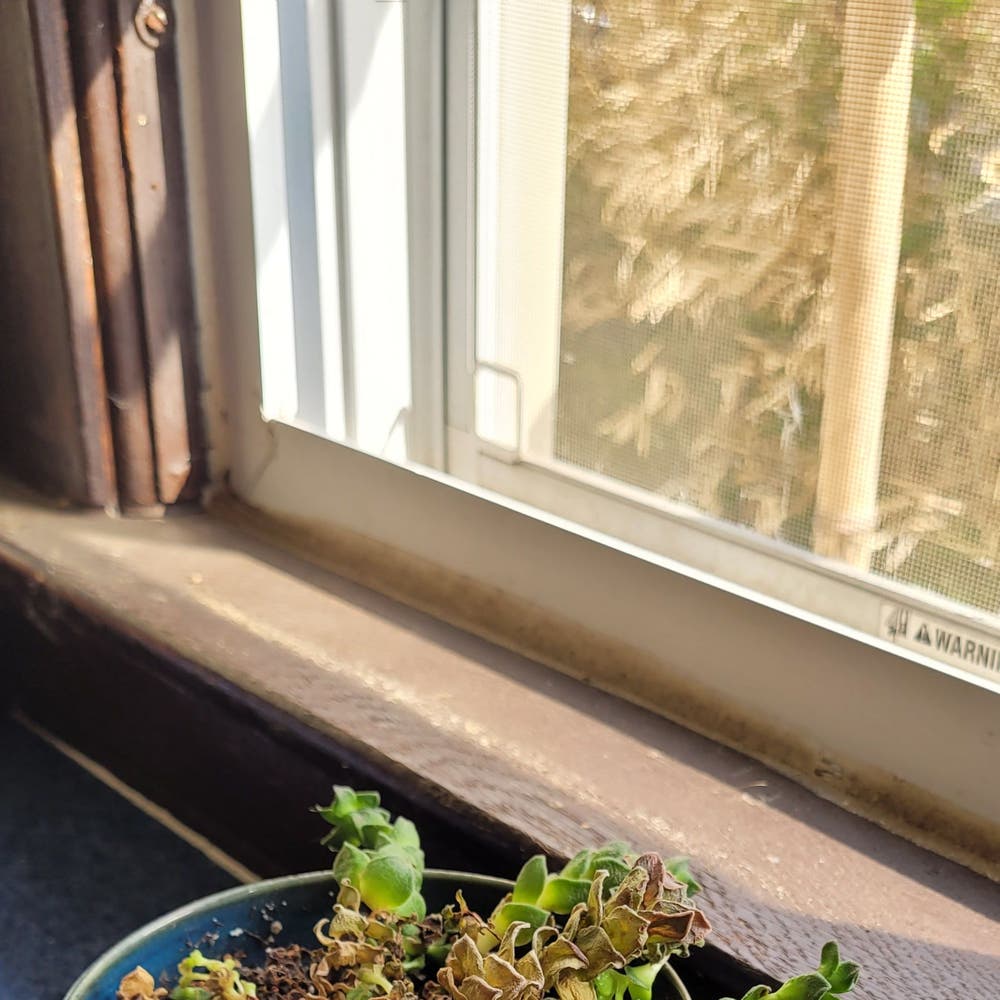
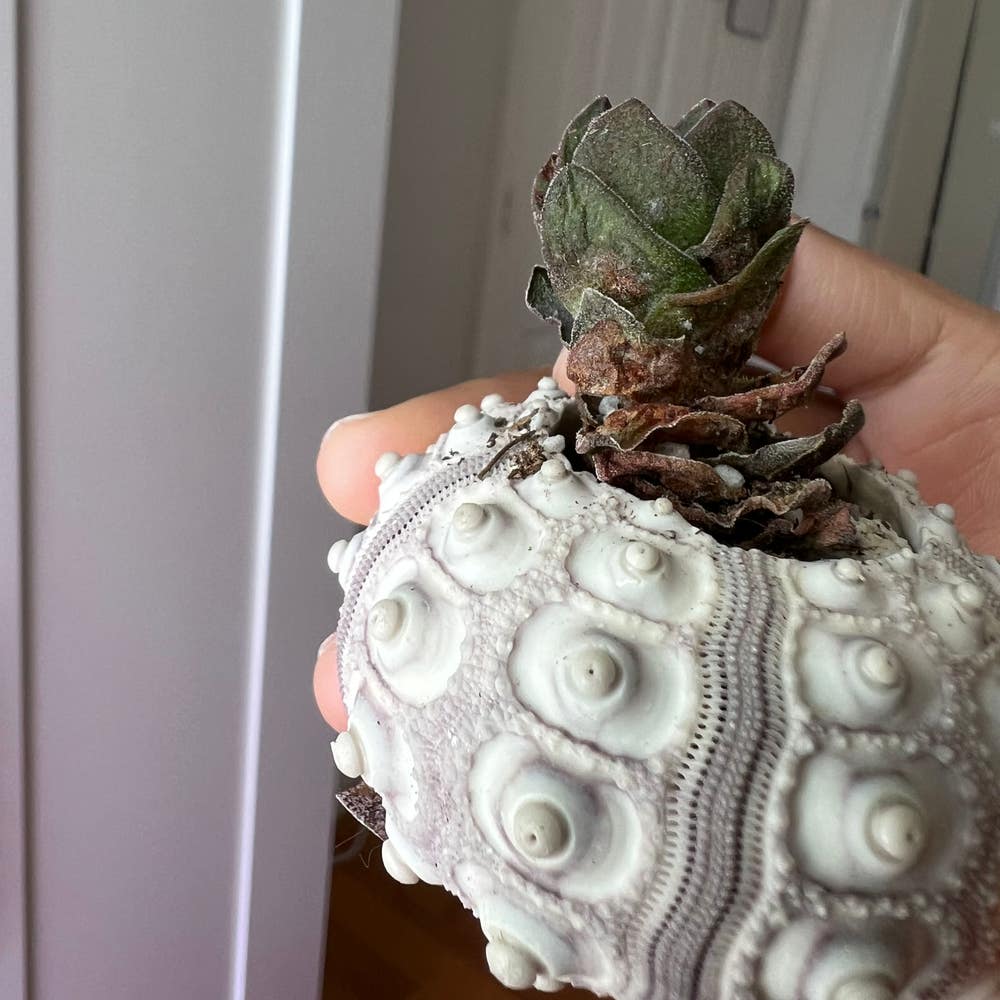
Discolored leaves and stems are the plant's SOS signal. If your Crassula 'Buddha's Temple' starts sporting leaves that look like they've lost their will to live, take note. Mushy roots are the equivalent of a plant's cry for help; they should never resemble overcooked pasta.
Beyond the Surface
To really get to the root of the problem, you'll need to play detective. Gently excavate your plant to perform a health check on its roots. Healthy roots are the bodybuilders of the plant world – firm and robust. If they're looking more like they've gone through a paper shredder, it's time to sound the alarm for root rot. Don't confuse this with other issues; root rot is the plant's plea for an intervention, not just a sign of a bad day.

The Rescue Mission: Treating Root Rot
🚑 Immediate First Aid
When Crassula 'Buddha's Temple' succumbs to root rot, think of yourself as a plant surgeon. Remove the plant from its pot with urgency and wash the roots under running water to clear away the soil. This is no time for a gentle touch; be thorough but swift.
With sterilized scissors, trim the rotten roots. Cut with conviction, leaving only the healthy, firm roots behind. It's like cutting the bad parts out of a movie reel—only the good scenes should make the final cut.
🏥 Post-Op Care
After the operation, it's time to settle your plant into its new home. Choose a pot with drainage holes that could rival a colander and fill it with fresh, well-draining soil. This isn't just a change of scenery; it's a vital step in the recovery process.
Adjust your watering habits like you're learning to dance a new rhythm. Water only when the soil is dry to the touch, and then, only sparingly. Overwatering is the enemy here, so keep the watering can at bay until it's truly needed.

Fortifying Defenses: Preventing Future Root Rot
🏰 The Right Home Environment
Crafting the perfect soil mix is like setting up a trust fund for your plant's future—it's all about the long game. Drainage and aeration are the VIPs here. Mix your soil with ingredients like perlite, coarse sand, or pine bark to keep it loose and breathable. Think of it as the plant equivalent of a memory foam mattress—firm yet forgiving.
Pots are more than just decor; they're your plant's lifeline. Always opt for ones with drainage holes. If you're stuck on a pot without them, it's like a house without bathrooms—eventually, things will get messy. Use a nursery pot inside the decorative one, and remember, no saucer swimming pools—empty excess water promptly.
💦 Watering Wisdom
Mastering the art of watering is like finding the sweet spot in a hot shower—not too cold, not too hot. Water only when the soil is dry to the touch, about up to your first knuckle. It's less about a schedule and more about a feel, like checking if your steak is done without a thermometer.
Environmental factors are the wild cards. They play a hand in your plant's thirst—light, humidity, and season all call the shots. In winter, plants are like bears hibernating; they need less to drink. Adjust your watering to match their slowed-down vibe, and you'll avoid drowning their roots in unwanted love.

⚠️ Safety First
This content is for general information and may contain errors, omissions, or outdated details. It is not medical, veterinary advice, or an endorsement of therapeutic claims.
Always consult a qualified healthcare professional before using any plant as food, medicine, or supplement.
Never eat any plant (or feed one to pets) without confirming its identity with at least two trusted sources.
If you suspect poisoning, call Poison Control (800) 222-1222, the Pet Poison Helpline (800) 213-6680, or your local emergency service immediately.
Spotted an error? Please report it here.
Ensure your Crassula 'Buddha's Temple' thrives after root rot by adjusting watering with Greg's tailored reminders 💧, making plant recovery foolproof.