How to Get a Crassula 'Buddha's Temple' to Bloom
Crassula 'Buddha's Temple'
By the Greg Editorial Team
Jun 18, 2024•5 min read
This article was created with the help of AI so we can cover more plants for you. May contain errors. See one? Report it here.
Unlock the elusive bloom of Crassula 'Buddha's Temple' 🌸 with tailored light and care secrets.
- 🌞 Bright, indirect sunlight and cool nights trigger blooming.
- 💐 Phosphorus-rich fertilizer and acidic soil enhance flower production.
- ✂️ Prune and deadhead to encourage more blooms.
Light and Temperature: The Dynamic Duo for Flower Power
🌞 Sunlight Strategies to Spark Blooms
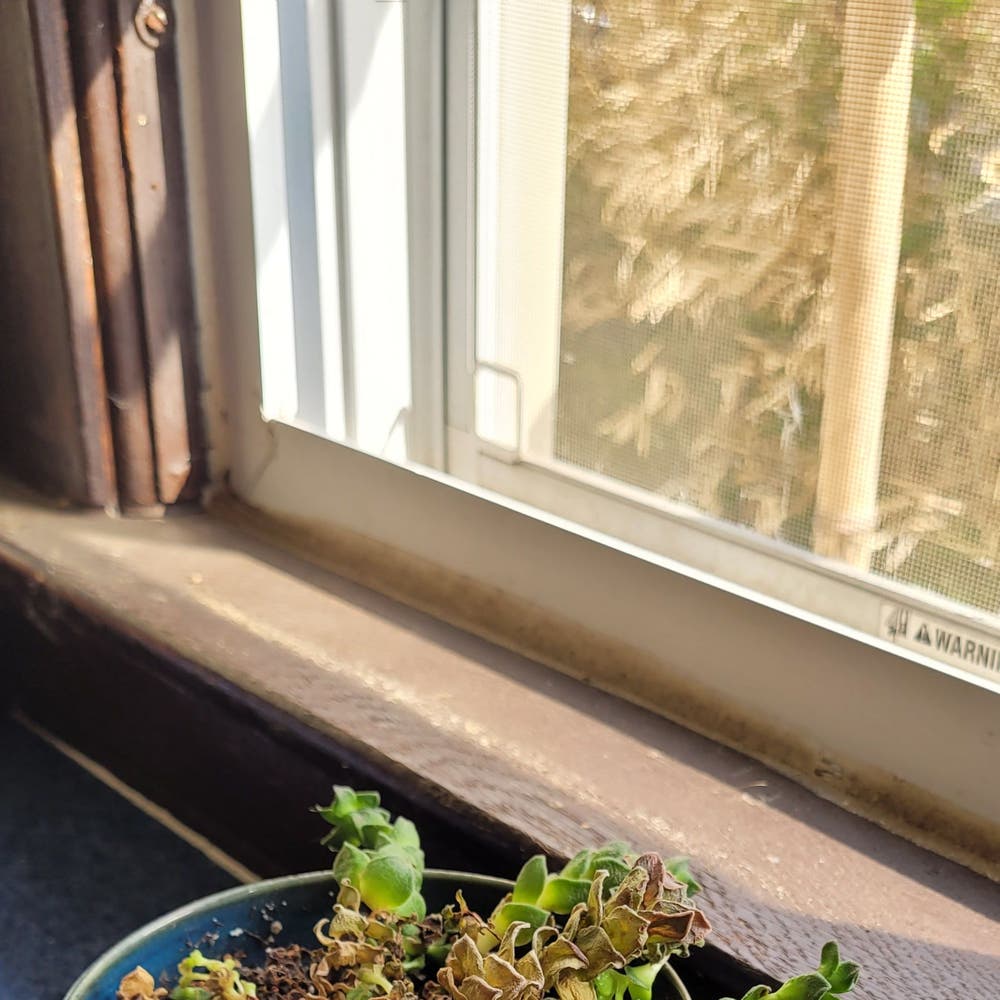
Crafting the perfect light environment for your Crassula 'Buddha's Temple' is like setting the stage for an exclusive performance. These succulents need a precise balance of light to strut their stuff. Aim for bright, indirect sunlight that mimics their natural habitat. Too much direct sun can leave your plant sunburned and shy to bloom, while too little can starve it of the energy needed for those floral encores.
Balancing sun exposure and shade isn't just a suggestion; it's a necessity. As the seasons change, so should your plant's position. Think of it as a game of musical chairs, where finding the right spot could mean the difference between a standing ovation and a no-show.
🌡️ Temperature Tweaks for Timely Blooms
To induce flowers, mimicking natural cycles is your backstage pass to the show. These plants often need a cue to start blooming, and temperature changes can be that signal. Keep your 'Buddha's Temple' in a comfortable range during the day, but don't be afraid to let the temperature dip at night.
Keeping it cool: The chilly trigger isn't just a cool phrase; it's a blooming catalyst. A slight drop in temperature at night, around 10-15 degrees, can encourage your plant to produce buds. It's like the plant's version of a plot twist that keeps you on the edge of your seat. Remember, avoid drafts as if they were spoilers for the next big series finale.

Feeding Your 'Buddha's Temple': The Nutritional Path to Blooms
💐 Fertilizer: The Flower Fuel
Phosphorus is your plant's best bud when it comes to blooming. Look for a fertilizer where the middle number in the N-P-K ratio is higher than the others. This is the plant equivalent of a pep talk, nudging it towards those coveted flowers. But remember, moderation is key; too much and you'll be the proud owner of a very leafy, bloom-less plant.
Timing your fertilizer application is like hitting the snooze button—do it right, and you wake up refreshed; do it wrong, and you're groggy all day. Feed your 'Buddha's Temple' during its growth season, typically spring and summer. Biweekly should do the trick, but go easy on the dose—think half-strength.
🌱 Soil Secrets for Spectacular Blooms
The right soil mix is like a comfy bed for your plant's roots. It needs to be well-draining yet retain enough moisture to keep those roots happy. Aim for a mix that's part potting soil, part coarse sand, and a smidge of perlite or pumice for that just-right texture.
pH balance isn't just for pool owners. Your 'Buddha's Temple' prefers its soil slightly on the acidic side—think pH levels around 6.0. It's not fussy, but getting this detail right can mean the difference between a plant that's surviving and one that's thriving with blooms.

Pruning Practices: Grooming Your Plant for Optimal Flowering
✂️ Snip and Shape: Pruning for Bloom Promotion
🌱 The Art of Selective Pruning
Pruning isn't just about snipping willy-nilly; it's a strategic affair. Target dead or diseased branches first to keep your 'Buddha's Temple' healthy and ready for its floral debut. Then, encourage branching by trimming the tips; it's like telling your plant, "Hey, spread out and show us what you've got!" Remember, overcrowding is a party foul for plants too—prune to give those blooms room to boogie.
💐 Deadheading: Encouraging More Blooms
Deadheading is the unsung hero of the flowering world. By removing spent flowers, you're essentially nudging your plant to produce more. It's like saying, "Try again, you can do better." And trust me, your 'Buddha's Temple' will listen, pushing out new blooms in a show of quiet defiance against the snip. Keep those precision pruners handy and watch for budding action—it's your cue to play plant paramedic and revive the blooming process.

Overcoming Flowering Frustrations: Tips and Fixes
🌞 Identifying and Fixing Flowering Faux Pas
🕵️ Common Culprits Behind Bloom Bashfulness
- Inadequate light: Your plant's not a mushroom; it needs sunshine to thrive. If it's hiding in the shadows, it's time to find a brighter spot or invest in some grow lights.
- Nutrient imbalance: It's a fine line between feast and famine. Too much fertilizer can lead to lush leaves at the expense of blooms, while too little can starve your plant of bloom-boosting nutrients.
- Environmental stress: Plants are homebodies; they hate moving. Keep them in a stable environment, especially during the budding phase, to prevent a floral flop.
- Pests and diseases: These uninvited guests can hijack your plant's health. Stay vigilant and show them the door with neem oil or insecticidal soap.
🚀 Quick Fixes to Get Back on the Blooming Track
- Boost the light: Relocate your plant to a sunnier locale or set up a grow light disco. Just make sure it's bright but not scorching.
- Adjust feeding: Dial back the fertilizer if you've been heavy-handed, or give a nutrient boost if your plant's on a diet. Remember, balance is key.
- Stabilize surroundings: Once buds appear, resist the urge to move your plant. It's not a fan of surprise location changes.
- Evict pests: Keep an eye out for freeloaders like aphids and spider mites. A soapy water eviction notice should do the trick.
Plants can be divas, but with a bit of detective work and some targeted TLC, you'll coax out those elusive blooms.
⚠️ Safety First
This content is for general information and may contain errors, omissions, or outdated details. It is not medical, veterinary advice, or an endorsement of therapeutic claims.
Always consult a qualified healthcare professional before using any plant as food, medicine, or supplement.
Never eat any plant (or feed one to pets) without confirming its identity with at least two trusted sources.
If you suspect poisoning, call Poison Control (800) 222-1222, the Pet Poison Helpline (800) 213-6680, or your local emergency service immediately.
Spotted an error? Please report it here.
Nurture your Crassula 'Buddha's Temple' to peak bloom 🌼 with Greg's tailored care reminders and expert tips based on your plant's unique needs!