Black Spots on My Crassula 'Buddha's Temple' Leaves
Crassula 'Buddha's Temple'
By the Greg Editorial Team
Jun 18, 2024•5 min read
This article was created with the help of AI so we can cover more plants for you. May contain errors. See one? Report it here.
Banish black spots 🚫 on your Crassula 'Buddha's Temple' with our expert plant care secrets! 🌿
- Fungal infections, overwatering, damage cause black spots on leaves.
- Act fast against fungus: remove leaves, increase airflow, use sunlight.
- Prevent with proper care: right watering, light, and protection from harm.
Spotting the Trouble: Recognizing Black Spots
🕵️ What Do Black Spots Look Like?
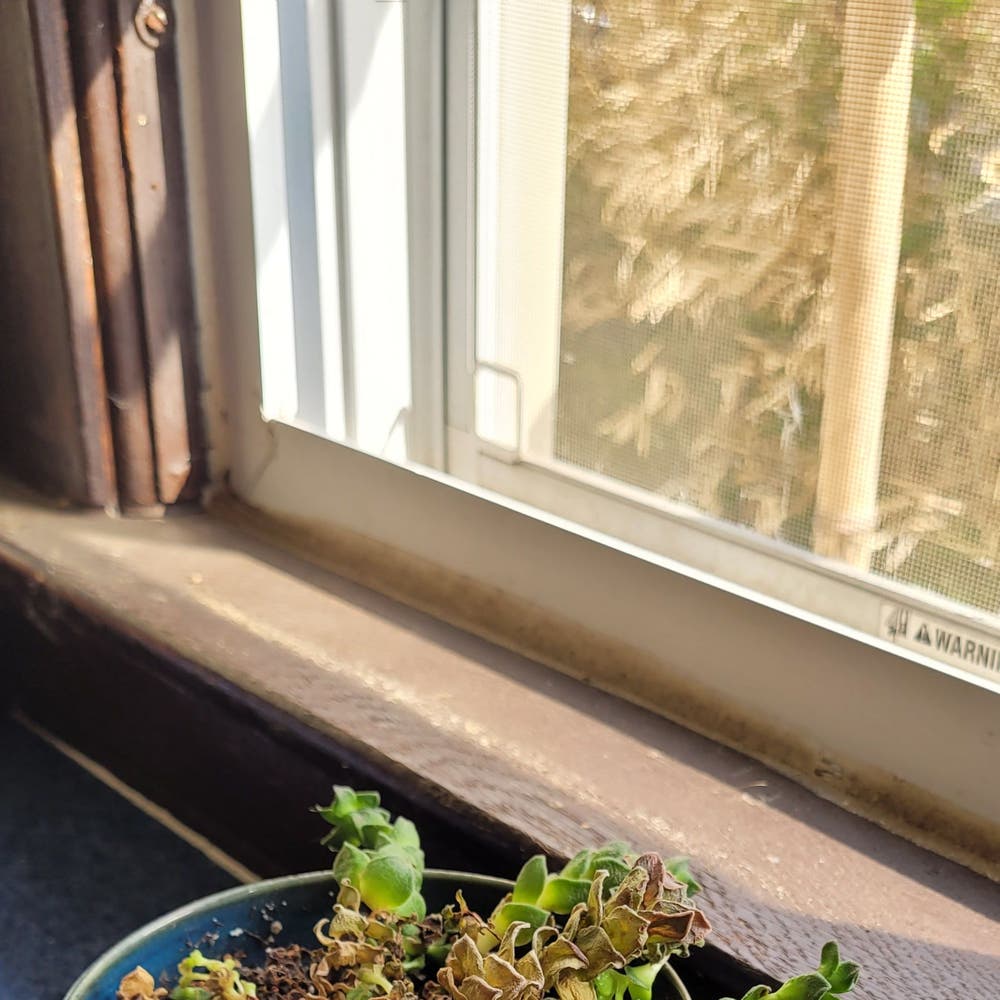
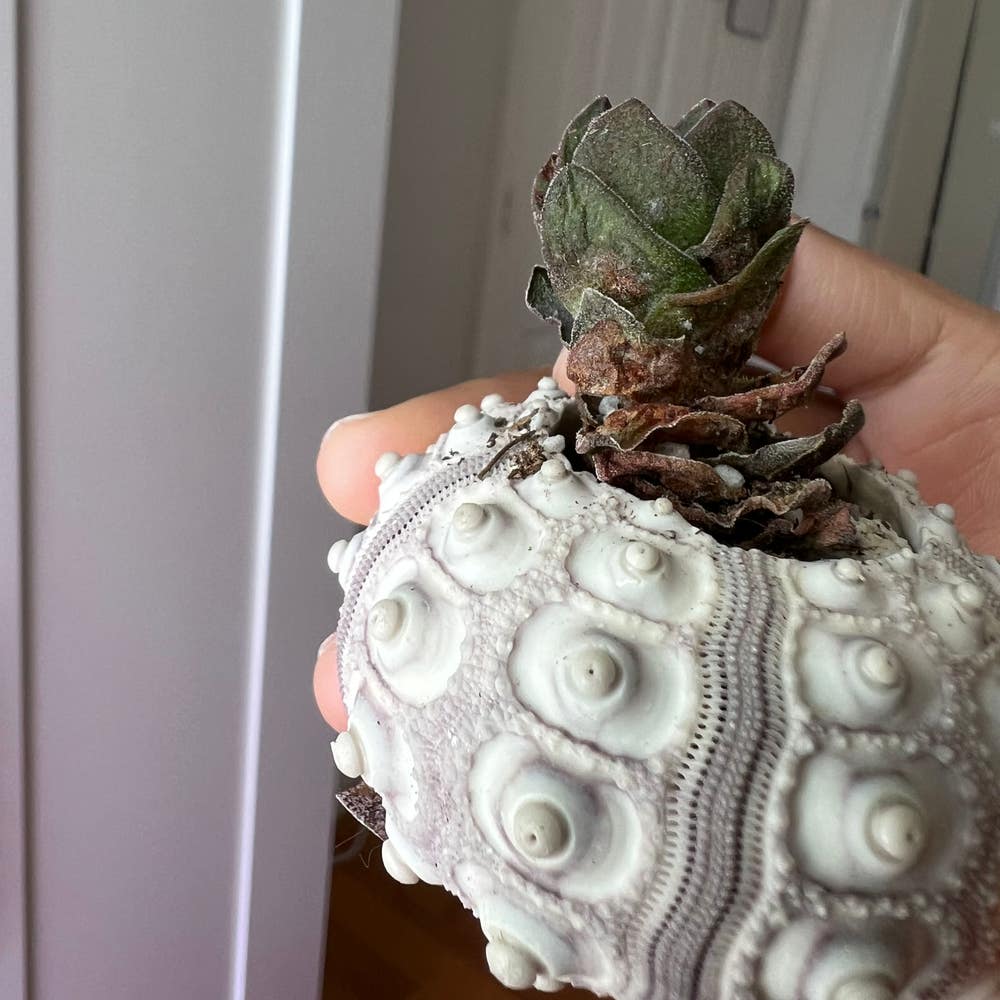
Black spots on your Crassula 'Buddha's Temple' are not fashion statements. They're warning signs. Dark lesions on foliage, sometimes ringed with yellow, are the plant's SOS. If you see tiny black dots within the spots, think of them as the fungus's calling card, a sign it's settling in for a long stay.
🦠 Common Culprits Behind the Spots
When it comes to these unsightly blemishes, the usual suspects line up: fungal infections, overzealous watering, and the clumsy hand of physical damage. Fungi are the mobsters here, exploiting any dampness with glee. Overwatering is their accomplice, creating a soggy crime scene. And let's not forget physical damage—the accidental brush-by that leaves a mark. Each has its telltale sign, and it's your job to play plant detective.

Fungal Foes: Tackling Infections
🍄 Spotting Fungal Symptoms
Discoloration or powdery spots on your Crassula 'Buddha's Temple'? You've likely got a fungal gatecrasher. Look for concentric circles or a 'bull’s eye' pattern on leaves, which are telltale signs of fungal infections. High humidity and poor air circulation are like a VIP pass for these uninvited guests.
🦠 Fungus Among Us: Treatment Tactics
Act fast when you spot the first signs of fungal freeloading. Remove affected leaves with precision—no half-measures here. Increase airflow around your plant; think of it as giving your plant its personal space.
Sunlight is your ally in this battle, so let it shine on your Crassula 'Buddha's Temple'. If the fungus is stubborn, it's time to break out the fungicides. Read the label carefully—this isn't a suggestion, it's the rulebook. Apply as directed and keep at it; persistence is key.
For a more DIY approach, mix baking soda and soap for a mild fungicide. It's like making a home-cooked meal for your plant—simple but effective. Remember, treating fungus is like a game of whack-a-mole; stay vigilant and keep those reflexes sharp.

Water Woes: Balancing Moisture
🌊 The Perils of Overwatering
Overwatering is the silent adversary of Crassula 'Buddha's Temple'. It's a common blunder, transforming your succulent's sanctuary into a swampy nightmare. The result? Black spots. These blemishes are the plant's SOS, signaling distress beneath the soil.
Fine-Tuning Your Watering Routine
To combat overhydration, adopt the Goldilocks principle: not too much, not too little, just right. Water only when the topsoil feels like a dry wit—partially dry. This tactic encourages robust roots and deters fungal gatecrashers.
Humidity plays a stealth role in watering. It's a balancing act; too high, and you're in a bog, too low, and you're in the badlands. Aim for that just-right mugginess. Grouping plants or using a pebble tray can subtly increase humidity without creating a microclimate.
Daylight watering is another savvy move. It allows moisture to evaporate, reducing the risk of rot and uninvited fungi. Nighttime watering is a no-go—it's like throwing a damp blanket over your plant's potential.
Drainage is your ally. Ensure pots have escape routes for excess water. A well-draining soil mix is like giving your plant the right gear for a downpour—functional yet crucial.
Remember, watering is an art, not just a routine. It's about responding to your plant's needs, not just ticking off a chore on your to-do list. Keep the soil moist but not waterlogged, envisioning a damp sponge, not a soaked one.

Physical Factors: Preventing Damage and Sunburn
🛡️ Shielding from Harm
Physical damage to your Crassula 'Buddha's Temple' can be a real party pooper for its aesthetic. To avoid black spots from bumps and bruises, keep your succulent away from high-traffic areas. Think of it as setting up a VIP section for your plant—exclusive and safe.
🌞 Sunburn and Spots: Finding the Sweet Spot
Your plant's tan should be more "beach glow" and less "lobster fest." Bright, indirect light is the golden ticket. If your plant's leaves start looking like they've had a day too long at the beach, it's time to move them to a spot with some shade. Remember, a little bit of sun goes a long way; you're aiming for a glow, not a no-go.
The Proactive Approach: Preventing Black Spots
🌱 Cultivating the Perfect Environment
Location is more than a real estate mantra when it comes to your Crassula 'Buddha's Temple'. It's the cornerstone of black spot prevention. Ensure your succulent gets the right amount of sunshine—a sun-kissed glow without the scorch. Airflow should be like a good conversation, present but not overwhelming. Strike a balance with humidity; think comfortable living room, not a tropical rainforest. A hygrometer can help you nail those humidity levels.
🛡️ The Art of Prevention
Preventing black spots is like keeping your inbox at zero—it requires regular attention and smart habits. Watering is a fine art; give your plant a drink at the base and let the soil dry out between sessions. Overhead watering? That's a rookie mistake. Keep those leaves dry to avoid fungal parties. Nutrition-wise, treat your plant to a high-quality fertilizer—no fast food for this green beauty. Cleanliness is next to godliness, so keep those tools sterilized. And remember, regular inspections are like dental check-ups for your plant; they catch problems before they escalate.
⚠️ Safety First
This content is for general information and may contain errors, omissions, or outdated details. It is not medical, veterinary advice, or an endorsement of therapeutic claims.
Always consult a qualified healthcare professional before using any plant as food, medicine, or supplement.
Never eat any plant (or feed one to pets) without confirming its identity with at least two trusted sources.
If you suspect poisoning, call Poison Control (800) 222-1222, the Pet Poison Helpline (800) 213-6680, or your local emergency service immediately.
Spotted an error? Please report it here.