Why Are My Crassula 'Buddha's Temple' Leaves Dropping?
Crassula 'Buddha's Temple'
By the Greg Editorial Team
Jun 18, 2024•5 min read
This article was created with the help of AI so we can cover more plants for you. May contain errors. See one? Report it here.
Unravel the mystery behind your Crassula's leaf loss and learn to safeguard its zen-like beauty 🌿✨.
- 🌱 Excessive leaf drop signals distress; early detection is key for a quick fix.
- 💧 Balance watering, light, and temperature to maintain plant health.
- 🐛 Watch for pests; treat with alcohol, neem oil, or insecticidal soap.
Spotting the Signs: When Your Plant Sheds More Than Just Tears
🍂 Recognizing Leaf Drop
Normal leaf loss is like your plant's version of a mild haircut, but when leaves start carpeting the floor, it's a cry for help. Excessive leaf drop is the plant's dramatic way of saying, "I'm not okay!" Look for leaves falling en masse or a sudden increase in leaf casualties.
👀 Visual Cues of Distress
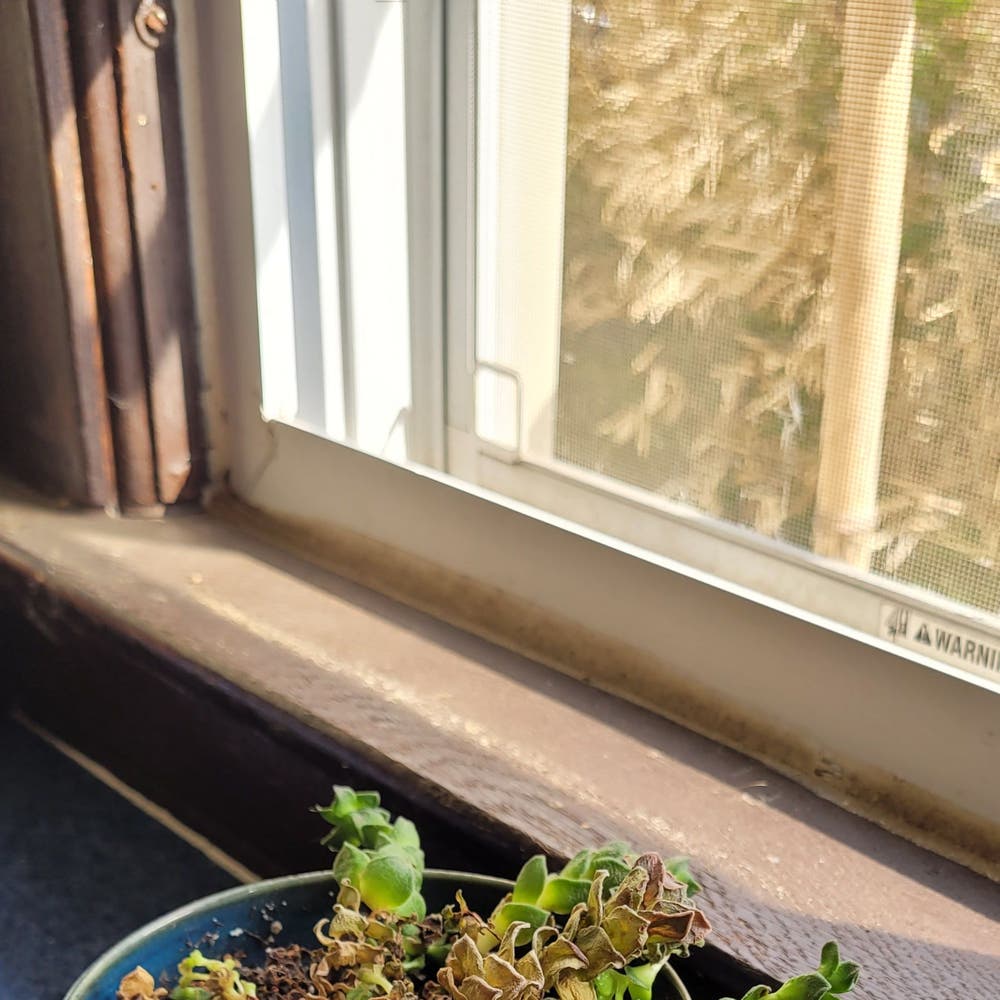
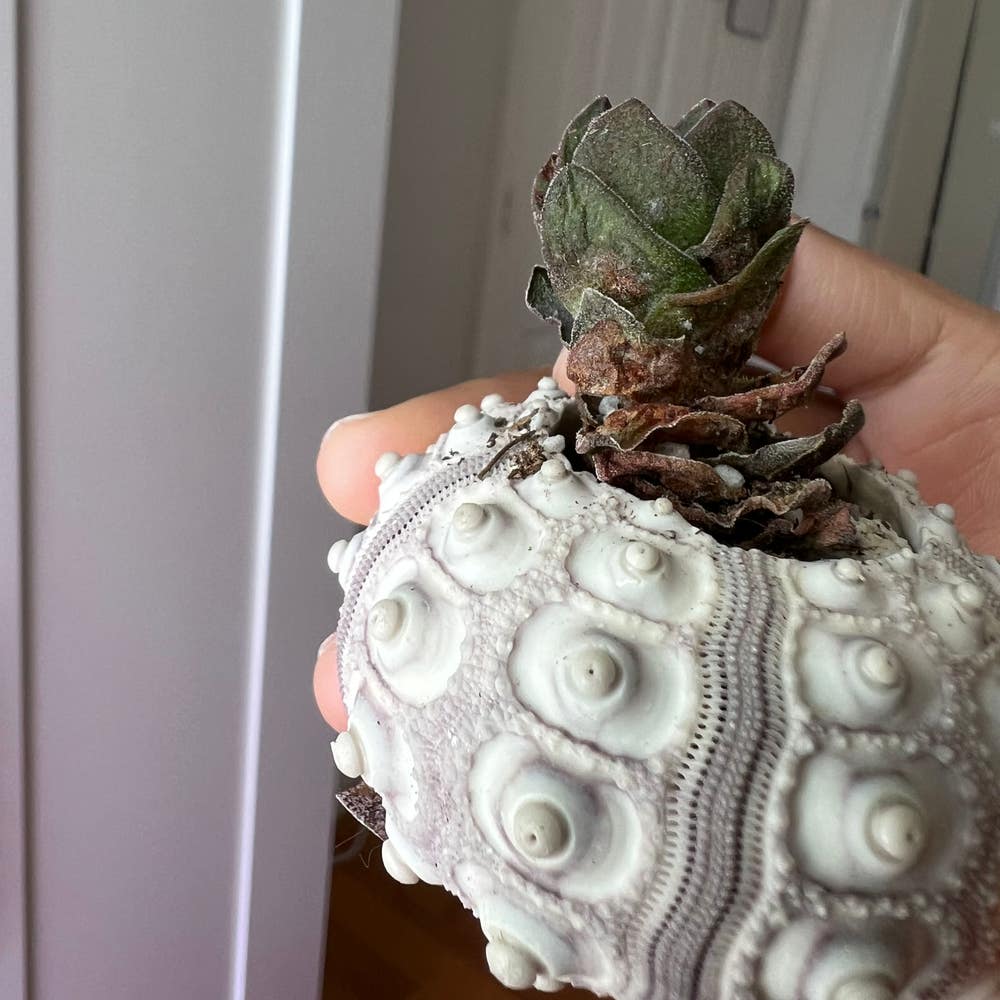
Yellowing leaves waving goodbye from the top? That's trouble. If your Crassula 'Buddha's Temple' has leaves that are more limp than a forgotten salad, it's time to play detective. Brown, crispy leaves? Underwatering alert. Soft, mushy ones? Overwatering may be the culprit.
🕵️ Early Detection
Catching leaf drop early is like spotting a typo in a tweet before it goes viral—it matters. Early signs include pale leaves or a leaf-drop spree. Vigilance is key; think of it as a plant wellness routine. Spotting these signs early can mean the difference between a quick fix and a full-blown plant crisis.

Water Woes: Striking the Right Balance
🚰 The Perils of Overwatering
Yellowing leaves and a musty smell from the soil are like red flags at a bullfight for overwatering. It's the plant equivalent of a waterlogged sneaker—uncomfortable and damaging. To rescue an overwatered Crassula 'Buddha's Temple', think triage: stop watering, improve drainage, and maybe even repot with fresh, dry soil.
🏜️ The Underwatering Conundrum
Leaves dropping from your Crassula 'Buddha's Temple' can also signal a Sahara-like thirst. If the leaves feel as crispy as autumn leaves underfoot, it's time to up the hydration—but don't drown it in your eagerness. Consistency is your watering wand; stick to a schedule that keeps the soil moist but not soggy.
Finding your watering sweet spot is like tuning a guitar—listen for the right note. It's a balance of observation and adjustment. Touch the soil; if it clings like a stage-five clinger, hold off. If it's drier than a stand-up comedian's wit, it's time to water. Remember, your plant's needs change with the seasons—more thirsty during hot spells, less so when cooler. Keep an eye on the weather, and adjust your watering rhythm like a plant DJ.

Light and Temperature: The Goldilocks Zone
🌞 Too Much Sun or Not Enough?
Crassula 'Buddha's Temple' plants are like Goldilocks—they need their light just right. Too much sun, and the leaves might crisp up like overdone toast. Too little, and your plant could become as lackluster as a forgotten gym membership. Bright, indirect light is the sweet spot, keeping those succulent leaves plump and happy.
🌱 Adjusting Your Plant's Location for Optimal Light Exposure
The sun's a moving target, and so should your plant be. As the seasons shift, so should your Crassula's spot in your home. Think of it as a game of musical chairs, except the music is the sun's rays, and the prize is a plant that doesn't throw a fit by dropping its leaves.
🌡️ Temperature Tolerance
Your Crassula isn't looking for a sauna or a ski trip; it wants a steady climate. The ideal temperature range is between 15-23ºC—anything more or less is as welcome as a downpour at a picnic. Keep it stable to avoid the drama of leaf drop.
Managing Seasonal Changes and Indoor Climates
When the weather outside is frightful, your indoor climate should be delightful. Keep your Crassula away from drafty windows or blasting heaters. It's not just about comfort; it's about keeping those leaves on the plant and not on the floor.

The Unseen Enemy: Pest Invasion
🐛 Common Culprits
Pests can be silent saboteurs of your Crassula 'Buddha's Temple'. Mealybugs, spider mites, and aphids are the usual suspects. These pests drain the vitality of your plant, leading to leaf drop.
🕵️ Spotting the Signs of an Infestation
Be on the lookout for sticky residue or a cotton-like substance, which mealybugs leave behind. Spider mites create fine webs, and aphids can cause leaves to curl and distort.
💪 Winning the Battle Against Bugs
🛡️ Effective Treatments
For mealybugs and aphids, a 70% isopropyl alcohol solution can be your first line of defense. Apply it with a cotton swab directly to the pests. In the case of spider mites, a strong stream of water can dislodge these tiny terrors.
🚫 Preventative Measures
Consistency is key in prevention. Inspect your plant regularly, especially the undersides of leaves. Introduce natural predators like ladybugs to keep the pest population in check. If all else fails, neem oil or insecticidal soap can be a plant saver. Remember, overuse of chemicals can harm more than help, so use them as a last resort.
Revival and Prevention: Keeping Your Plant Happy
📅 Tailored Care Routine
Creating a care schedule that aligns with your Crassula 'Buddha's Temple' needs is like setting reminders for your own meals and workouts—it's essential. Consistency in care is your plant's best friend, warding off future leaf drop.
🕵️ Monitoring and Adjusting
Your plant's health is a dynamic story; monitor closely and be ready to rewrite the script as needed. When your plant's leaves hint at trouble, it's time to play detective and adjust your care tactics. If your green thumb intuition fails, it's not a defeat to seek professional help—it's a strategic retreat.
⚠️ Safety First
This content is for general information and may contain errors, omissions, or outdated details. It is not medical, veterinary advice, or an endorsement of therapeutic claims.
Always consult a qualified healthcare professional before using any plant as food, medicine, or supplement.
Never eat any plant (or feed one to pets) without confirming its identity with at least two trusted sources.
If you suspect poisoning, call Poison Control (800) 222-1222, the Pet Poison Helpline (800) 213-6680, or your local emergency service immediately.
Spotted an error? Please report it here.
Revive your Crassula 'Buddha's Temple' and prevent leaf drop by using Greg for custom care alerts 🛎️, from watering balance to pest patrol, tailored just for your plant's needs.