Dracaena 'Sted Sol Cane' - Fertilizing 101
Dracaena fragrans 'Sted Sol Cane'
By the Greg Editorial Team
Jun 18, 2024•3 min read
This article was created with the help of AI so we can cover more plants for you. May contain errors. See one? Report it here.
- N-P-K ratios matter for Dracaena's health and blooms.
- Water-soluble fertilizers preferred; apply sparingly for best results.
- Watch for over-fertilization signs, like yellow leaves; act quickly to remedy.
Picking the Perfect Fertilizer
🌱 Balanced Diet for Your Dracaena
N-P-K ratios are non-negotiable when it comes to your Dracaena 'Sted Sol Cane'. Think of them as the nutritional labels for your plant's food. Nitrogen is key for lush, green foliage, phosphorus for robust blooms, and potassium for overall plant health. Don't skimp on micronutrients either; they're like the secret sauce for your plant's well-being.
💧 Liquid Gold
Water-soluble fertilizers are the MVPs for your Dracaena. They're easy to apply and quick to act, giving your plant a rapid nutrient boost. Aim for a balanced liquid fertilizer—something with an N-P-K ratio that supports both foliage and blooms, like a 3-1-2 or 5-5-5. Remember, overdoing it is a no-go; stick to the recommended dosage to avoid turning your green haven into a nutrient burn ward.

Timing is Everything
🌱 Growing Season Guidelines
Spring and summer are the active growth periods for Dracaena 'Sted Sol Cane'. This is when your plant is in beast mode, churning out new leaves and reaching for the sky. Fertilize during this time to support its vigorous growth and prep for blooming. Stick to a monthly schedule, using a balanced fertilizer that's like a multivitamin for your plant.
❄️ Winter Wisdom
Come fall, it's time to dial it back. Reduce fertilization about 8 weeks before the first frost. Your plant is winding down, getting ready for its winter nap. Overdoing it now can lead to a buffet of problems, like freeze damage from tender late-season growth. In winter, let the plant chill—literally. It's time for a fertilizer fast, giving it a break from growth and letting it conserve energy for spring's grand entrance.

Fertilizing Step-by-Step
💧 The Right Amount
Measure your fertilizer precisely; more isn't better. Follow the product's guide to avoid the tragedy of over-fertilization. Water your Dracaena 'Sted Sol Cane' before you fertilize, ensuring the soil is moist, not a desert waiting for rain. This helps prevent root burn and ensures nutrients are absorbed effectively.
🍽️ Even Spread
Sprinkle granular fertilizers like you're seasoning a gourmet dish – evenly and with purpose. For liquid gold, think of yourself as a barista crafting the perfect coffee blend – consistency is key. Water again after applying to help the nutrients journey down to the roots, avoiding any nutrient-rich hotspots that could harm your plant.

Keeping an Eye Out for Trouble
🚩 Spotting the Signs
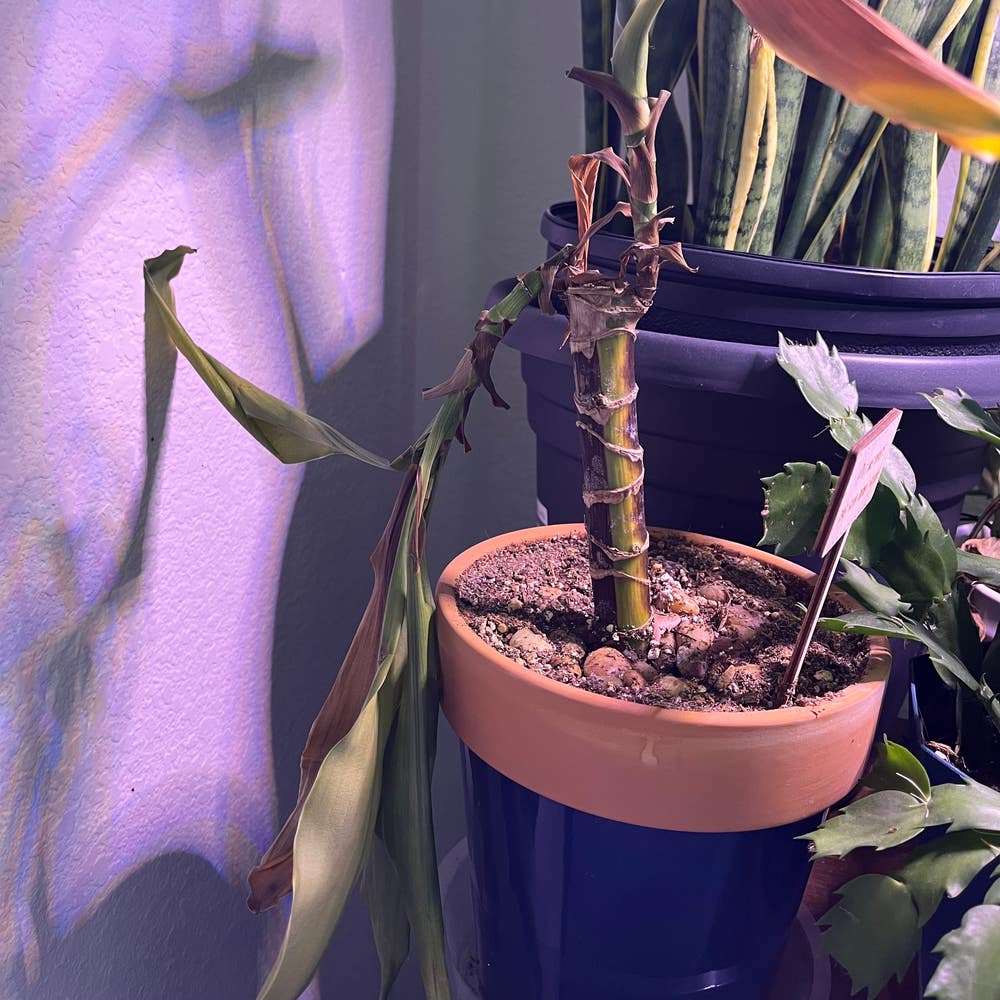
Yellowing leaves or a crust of fertilizer on the soil's surface are your Dracaena's cry for help. Over-fertilization symptoms are like red flags at a beach; they signal it's time to stop swimming in the nutrient pool. Look for leaf burn, where the tips and edges turn brown, or if your plant's leaves are dropping like flies despite moist soil. If blooms are as scarce as hen's teeth, you've likely gone overboard with the feeding.
🛠 Quick Fixes
Caught over-fertilizing? Act fast. First, stop the nutrient party by removing any visible fertilizer. Flood the pot with water to flush out excess salts—think of it as a detox for your plant's roots. Repeat this every few days, and you might just see your Dracaena perk up. If the soil is as salty as a pirate, consider a complete soil change. And remember, when it comes to fertilizer, think of it as cologne—a little goes a long way.
⚠️ Safety First
This content is for general information and may contain errors, omissions, or outdated details. It is not medical, veterinary advice, or an endorsement of therapeutic claims.
Always consult a qualified healthcare professional before using any plant as food, medicine, or supplement.
Never eat any plant (or feed one to pets) without confirming its identity with at least two trusted sources.
If you suspect poisoning, call Poison Control (800) 222-1222, the Pet Poison Helpline (800) 213-6680, or your local emergency service immediately.
Spotted an error? Please report it here.
Nurture your Dracaena 'Sted Sol Cane' with balanced nutrients 🌿 and let Greg remind you when it's time to fertilize for a thriving plant without the guesswork.