Common Dancing Dolphin Problems
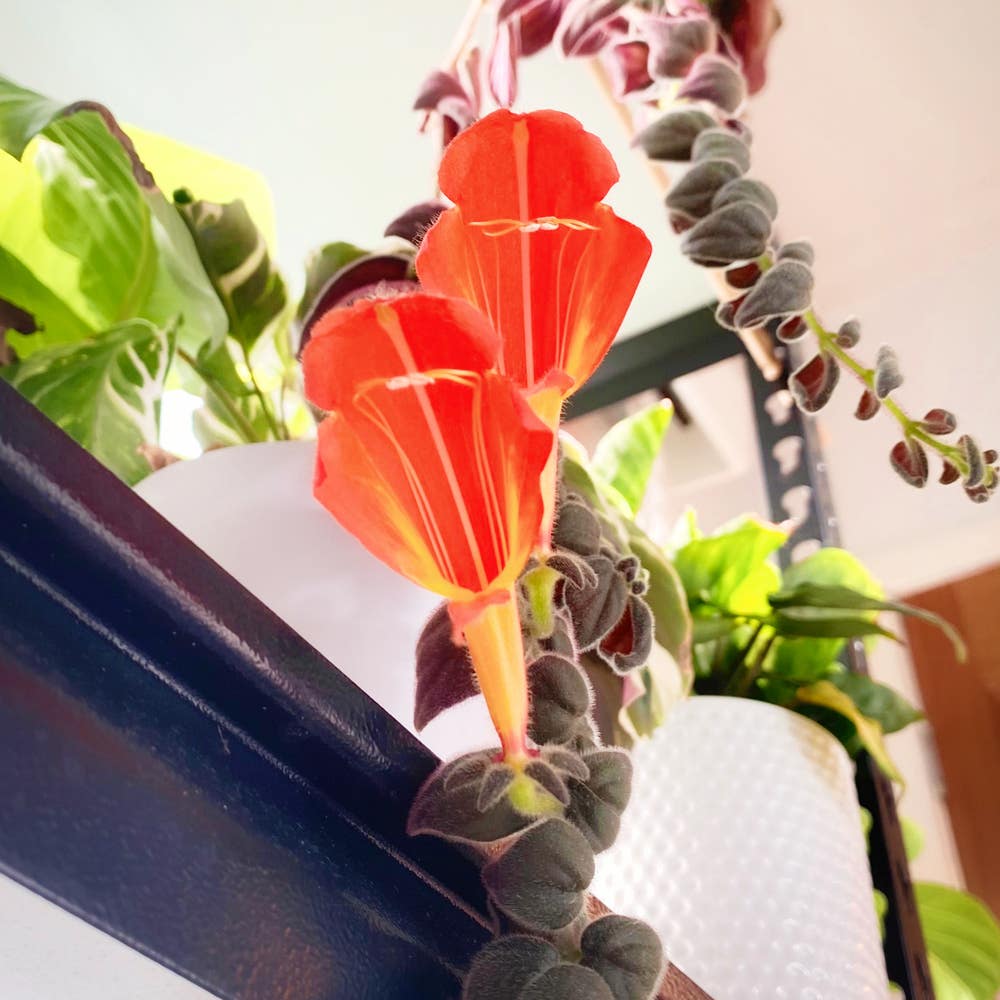
Columnea microcalyx
By the Greg Editorial Team
Feb 11, 2024•4 min read
This article was created with the help of AI so we can cover more plants for you. May contain errors. See one? Report it here.
Avoid the wilt and revive your Dancing Dolphin 🐬 with these essential care tips for watering, light, and temperature! 🌡️
- Inconsistent watering? Look for wilting, browning, or leaf drop.
- 🌞 Too much sun causes leggy growth; aim for bright, indirect light.
- 🌡️ Keep it 65-75°F to prevent leaf discoloration and slowed growth.
When Watering Gets Wacky
🚰 Spotting the Signs of Inconsistent Watering
Wilting, leaf browning, and leaf drop are distress flares from your Dancing Dolphin. They're telling you the watering's off-beat.
The Watering Rhythm Dance
To get your Dancing Dolphin grooving, sync your watering to its life's rhythm. Seasonal changes dictate the tempo—less in winter, more in summer.
Here's the deal: stick your finger in the soil. If it's dry a couple of inches down, it's showtime for the watering can.
Remember, your plant isn't chugging water on a schedule. It's a dance, not a drill. Keep your eyes peeled for those subtle thirst cues—a droopy leaf here, a crispy edge there.
Weigh your pot; it's a no-fuss way to check moisture levels. Heavy? Skip the water. Light? Time to hydrate.
Get tactile and personal. Your plant's feedback is instant, so tweak your routine as needed. It's like being a plant whisperer, but with more soil under your nails.
And hey, mark your calendar for regular soil check-ins. It's not just about keeping the soil happy; it's about keeping those dolphin-shaped leaves dancing.
Light: Finding the Sweet Spot
🌞 Too Much Sun, Not Enough Fun
When your Dancing Dolphin (Senecio peregrinus) gets too much sun, it's not just throwing shade, it's literally getting scorched. You'll notice leggy growth and pale leaves as it desperately tries to escape the intense rays.
🎨 Crafting the Perfect Light Ensemble
To keep your Dancing Dolphin plant in high spirits, aim for bright, indirect sunlight. This means placing it near an east- or west-facing window where it can bask in the sun's glow without getting a sunburn. If you're seeing signs of too much sun, like yellowing leaves or mushy stems, it's time to move your plant to a shadier spot or filter the light with sheer curtains. On the flip side, if your plant starts looking like it's stretching for the stars with leggy growth, it's craving more light. Remember, the sweet spot is all about balance—like finding the perfect volume on your favorite song, not too loud, not too soft.
Temperature Tango: Keeping the Beat
❄️ Chilly Moves Lead to Unhappy Grooves
Leaf discoloration and slowed growth are telltale signs that your Dancing Dolphin is not jiving with the cold. When the thermometer dips below 55°F, it's like your plant is stuck outside without a coat, and it's not a fan. Drafts are the silent party crashers, chilling your plant to its roots, so keep it away from those sneaky gusts.
Setting the Stage for a Consistent Climate
To keep your Dancing Dolphin from throwing a fit, maintain a room temperature between 65-75°F (18-24°C). It's like setting the thermostat for a guest who's always slightly chilly. Insulate against the cold; think bubble wrap or plant cloches when winter hits. And remember, if you're cozy in your sweater, your plant is likely feeling just right. Keep the temperature steady, because nobody likes a climate roller coaster—least of all your plant.
The Dangers of Drowning and Drought
🌊 Over-watering Blues
Yellowing leaves and mushy stems are your Dancing Dolphin's way of waving a white flag. Over-watering is like an overzealous hug that suffocates. If the soil squishes under your fingers, it's time to ease up on the aqua affection.
🏜️ Under-watering Crunch
When your plant's leaves droop and the foliage feels as dry as stale bread, it's a cry for hydration. Under-watering turns your Dancing Dolphin into a desert dweller, but not by choice. The soil will be as light as your conscience on a good day—too dry.
Fine-Tuning Your Watering Technique
To keep your Dancing Dolphin's soil perfectly moist, think of watering like seasoning food—just enough is sublime, but too much ruins the dish. Water when the top inch of soil feels dry, and always check that excess water can drain away. It's a balancing act that rewards with vibrant growth.
Pesky Pests and How to Send Them Packing
🐜 Uninvited Guests: Spotting Pests
Pests on your Dancing Dolphin plant can be sneaky freeloaders. Look for visible bugs, yellow spots, or webbing under leaves and along stems. These are red flags that your plant is hosting a pest party.
🌿 Natural Remedies to Keep Pests at Bay
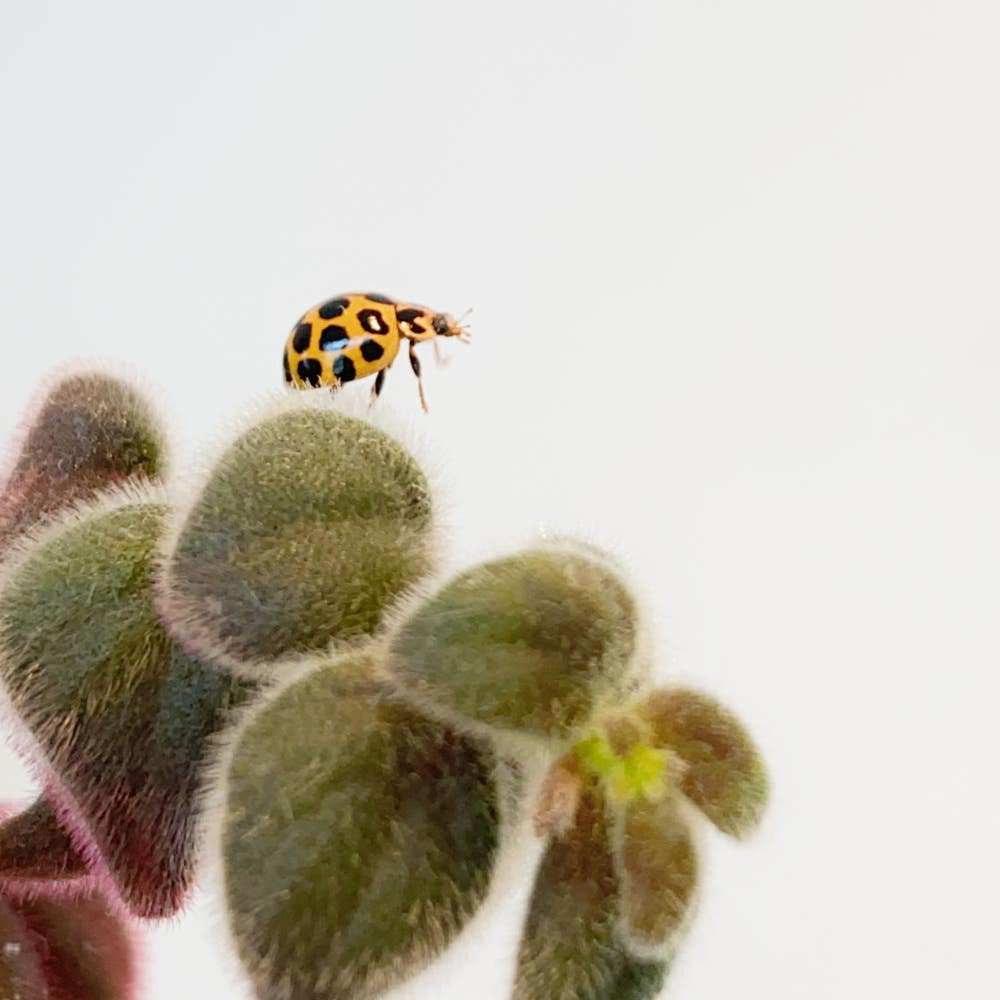
Regular inspections are crucial for catching pests early. A strong spray of water can dislodge many invaders, while insecticidal soap or neem oil are your eco-friendly bouncers. Apply as directed—pests aren't fans of rule-followers. Encourage beneficial insects like ladybugs; they're nature's pest control agents. Remember, a clean plant is less inviting to pests, so keep those leaves dust-free.
⚠️ Safety First
This content is for general information and may contain errors, omissions, or outdated details. It is not medical, veterinary advice, or an endorsement of therapeutic claims.
Always consult a qualified healthcare professional before using any plant as food, medicine, or supplement.
Never eat any plant (or feed one to pets) without confirming its identity with at least two trusted sources.
If you suspect poisoning, call Poison Control (800) 222-1222, the Pet Poison Helpline (800) 213-6680, or your local emergency service immediately.
Spotted an error? Please report it here.
Keep your Dancing Dolphin plant thriving by letting Greg's intuitive alerts 🌱 guide your watering and pest management, ensuring a happy, healthy plant with every check-in.