What Do Dancing Dolphin Flowers Mean? 🐬
Columnea microcalyx
By the Greg Editorial Team
Feb 11, 2024•4 min read
This article was created with the help of AI so we can cover more plants for you. May contain errors. See one? Report it here.
Unveil the secret to a flourishing 🌱 Dancing Dolphin plant and celebrate its happy, healthy blooms!
- Healthy, happy plant signals with Dancing Dolphin blooms.
- 🌡️ 65°F-75°F and 40%-60% humidity ideal for flowering.
- Patience required for young plants' first blooms.
Decoding the Blooms: What Flowers Signify
🌸 The language of flowers: Interpreting Dancing Dolphin blooms
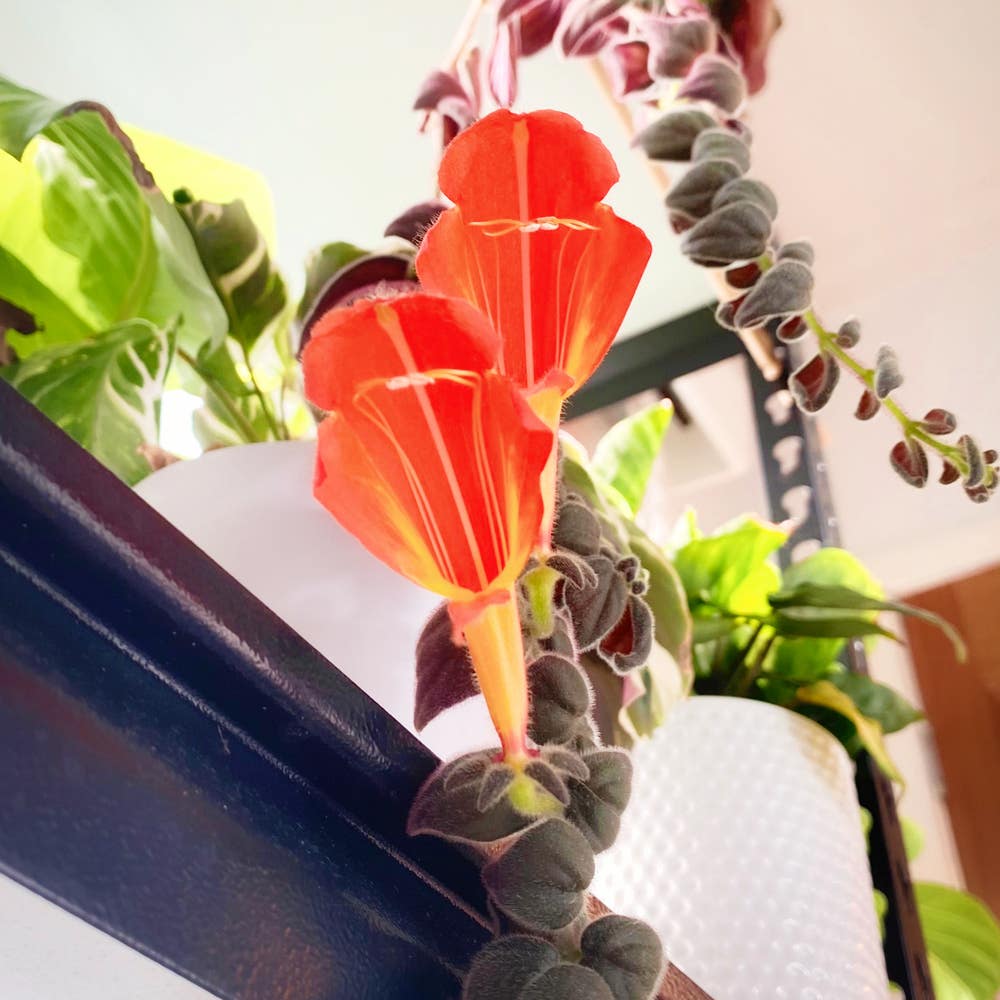
Dancing Dolphin flowers don't just pop up; they're a nod to your green thumb. While they lack a storied past of symbolism, their blooms are a personal triumph, a sign of a healthy, happy plant. Think of each flower as a high-five from your leafy friend.
🎉 Moments to celebrate: When Dancing Dolphins decide to flower
When these quirky blooms make an appearance, it's party time for plant enthusiasts. The arrival of Dancing Dolphin flowers is akin to a surprise bash thrown by nature, complete with a soft cinnamon scent and delicate cream petals. It's the plant's way of saying, "You've got this gardening thing down."
Prime Conditions for a Floral Show
💡 Light it up: The right exposure for blooming success
Bright, indirect light is the maestro of the Dancing Dolphin flower show. Too much sun, and you're at risk of leaf burn; too little, and the blooms may never make their debut. Aim for a luminous but gentle spot, like a south-facing window shielded by a sheer curtain, to hit the sweet spot for flowering.
🌡 Feeling the warmth: Temperature's role in flowering
Temperature acts as the backstage manager, setting the scene for bloom time. Keep it cozy, between 65°F and 75°F, to encourage your Dancing Dolphins to strut their stuff. Avoid the drama of temperature swings; stability is key to keeping the blooming schedule on track.
💦 Humidity hugs: The moisture factor in bloom stimulation
Humidity is the unsung hero, providing the moisture embrace that Dancing Dolphins adore. Aim for a humidity level of 40%-60%—not a tropical rainforest, but not a desert either. If your indoor air is drier than a stand-up comedian's humor, consider a humidifier to keep the vibe just right for those blooms.
Timing the Tango: When Dancing Dolphins Flower
🌸 Seasonal serenades: Understanding bloom seasons
Dancing Dolphin plants, like many flora, sync their blooms with the seasons. Spring and summer typically beckon the dance of blossoms, as longer daylight hours and warmer temperatures create an ideal stage for flowering. Gardeners should note that regional climate can sway this timeline, so staying attuned to local conditions is key.
🌱 Age and stage: How plant maturity affects flowering
Maturity matters in the blooming ballet of Dancing Dolphins. Younger plants may hold off on flowering, focusing energy on growth and establishment. As the plant ages, it gains the wisdom and capacity to produce flowers. Expect the first blooms when the plant is well-rooted and mature, which could take a few seasons. Patience is a virtue here; rushing the process is as fruitless as teaching fish to dance.
Encouraging the Dance: Tips to Induce Blooming
🌸 Feeding the rhythm: Fertilization for flower induction
Fertilizer is your Dancing Dolphin's backstage pass to a blooming gala. Phosphorus is the star of the show, nudging those shy buds into the spotlight. A balanced, phosphorus-rich mix applied after the last bloom and again in early spring sets the stage for a season of vigorous flowering. But remember, overfeeding is the equivalent of stage fright for plants—moderation is key.
💃 Pruning to the beat: How trimming encourages blooms
Snip, snip—pruning is like choreographing a dance for your Dancing Dolphin. By cutting back overgrown shoots, you're essentially whispering to your plant, "Hey, it's time to party." More branches mean more potential for flowers, so don't be shy with those shears. Just be sure not to overdo it; think of it as a trim, not a buzzcut.
🕰 Patience in the performance: The waiting game for first blooms
The first bloom is like the plant's debutante ball, and it's not something to be rushed. Young plants, especially those propagated from leaves, may take a few years to strut their stuff. It's a waiting game where patience is not just a virtue but a necessity. Keep your gardening gloves close and your patience closer, because when those blooms finally make an entrance, it's a botanical show worth the wait.
⚠️ Safety First
This content is for general information and may contain errors, omissions, or outdated details. It is not medical, veterinary advice, or an endorsement of therapeutic claims.
Always consult a qualified healthcare professional before using any plant as food, medicine, or supplement.
Never eat any plant (or feed one to pets) without confirming its identity with at least two trusted sources.
If you suspect poisoning, call Poison Control (800) 222-1222, the Pet Poison Helpline (800) 213-6680, or your local emergency service immediately.
Spotted an error? Please report it here.
Watch your Dancing Dolphin plants flourish by following Greg's tailored care plan 🌱, ensuring your patience blooms into beautiful flowers!