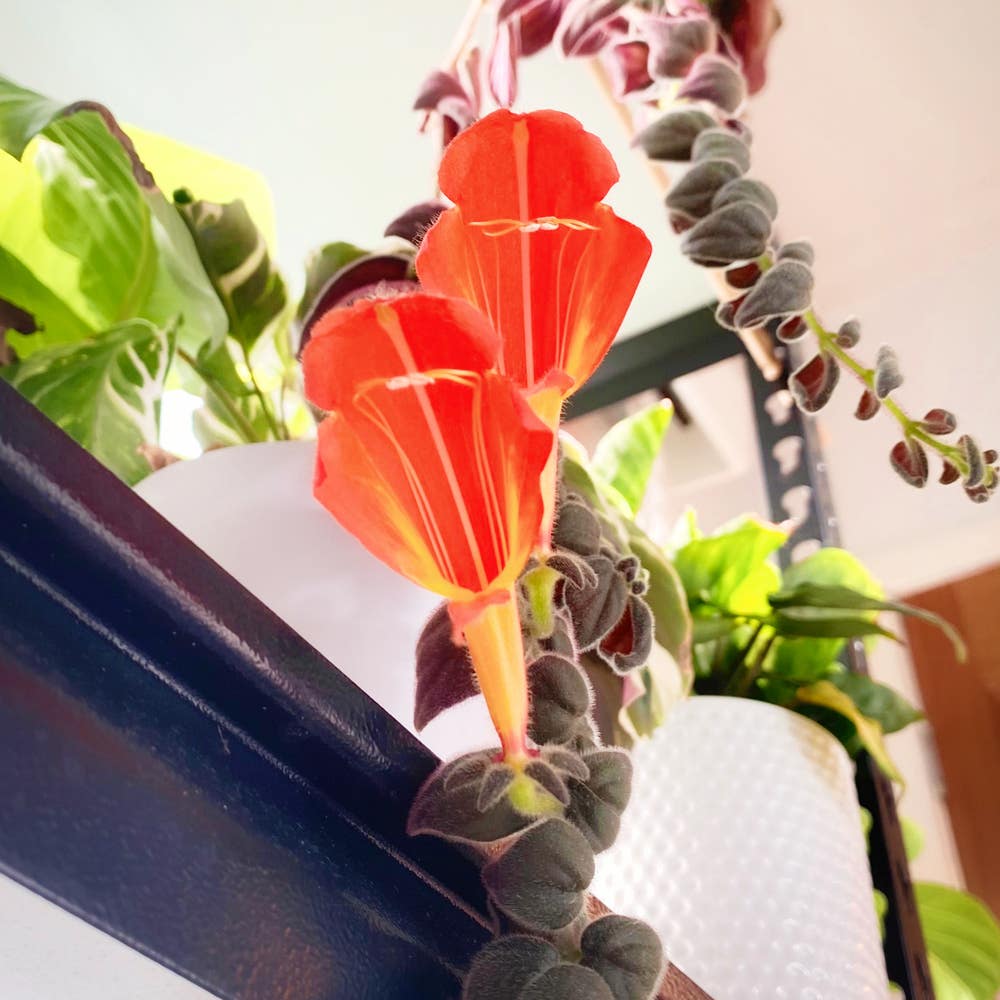
Why Are There Brown Spots on My Dancing Dolphin?
Columnea microcalyx
By the Greg Editorial Team
Feb 11, 2024•3 min read
This article was created with the help of AI so we can cover more plants for you. May contain errors. See one? Report it here.
Banish brown spots 🍂 and dance with a healthy Dolphin plant using our expert care guide! 🌟
- Overwatering and sunburn are top causes of brown spots.
- Adjust watering and light to prevent and treat spots.
- Regular monitoring and pest control keep your plant healthy.
Spotting the Trouble: Identifying Brown Spots
🕵️♂️ Visual Symptoms of Brown Spots
Brown spots on your Dancing Dolphin plant can range from subtle blemishes to glaring discolorations. These spots may manifest as dry, crispy patches or as soggy, darkened areas. A yellow halo surrounding a spot is a distress signal, not a fashion statement. Location matters: check whether the spots are more common on leaf edges, centers, or both.
🦠 Common Culprits Behind the Spots
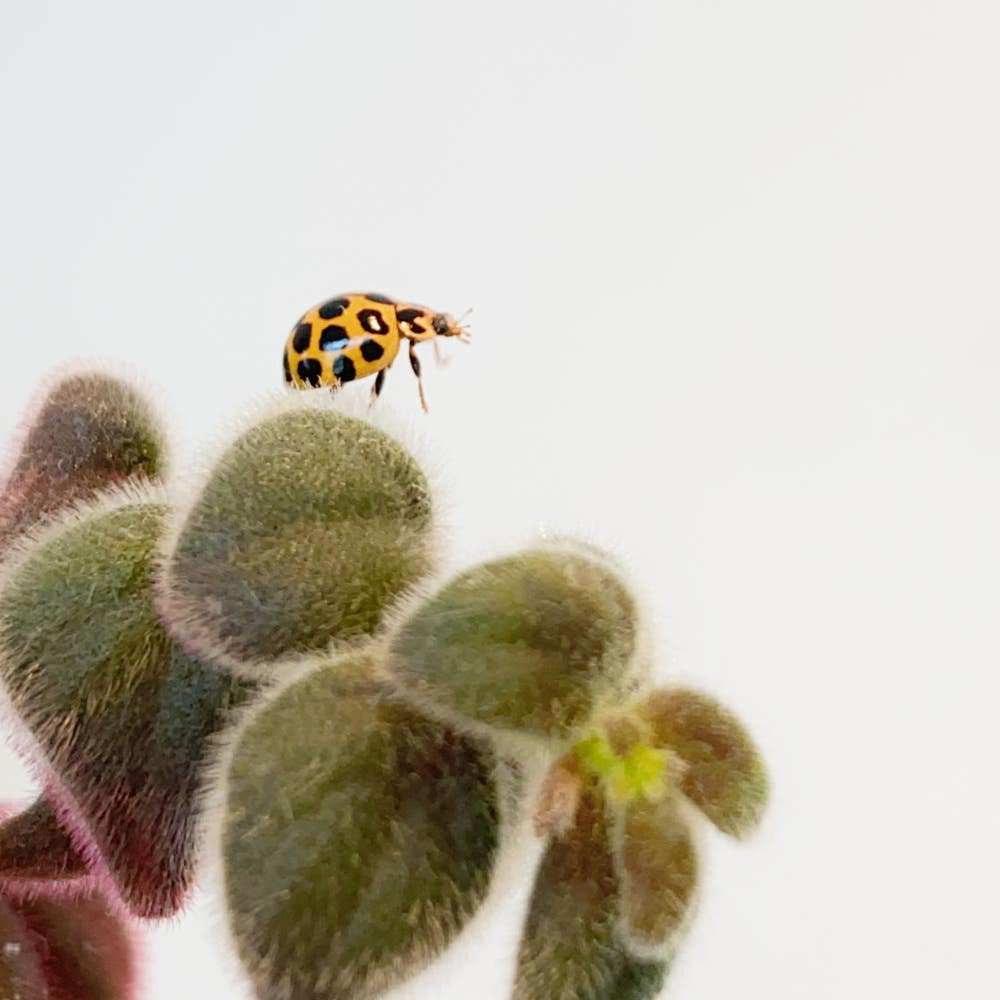
When it comes to brown spots, the usual suspects include overwatering, sunburn, and pest invasions. Overwatering leaves a telltale sign of soft, water-soaked spots. Sunburn, on the other hand, gifts your plant with dry, brittle patches. Pests like spider mites and thrips are party crashers, leaving behind sticky residue and speckled leaves. Don't ignore the possibility of fungal or bacterial infections, which often come with their own unique patterns, such as concentric rings or water-soaked appearances.
First Response: Immediate Care Adjustments
💧 Adjusting Your Watering Routine
Overwatering can be a silent killer for your Dancing Dolphin plant. To combat brown spots, let the soil's top layer dry before the next watering. Check the moisture with your finger—if it's dry up to your first knuckle, it's time to water. If not, wait.
☀️ Balancing Light Exposure
Your plant craves the Goldilocks zone of light—not too much, not too little. Shift your Dancing Dolphin away from direct sunlight, which can scorch its leaves, and out of dark corners where it can't photosynthesize properly. Observe how it responds over a few weeks; you're looking for vibrant, robust growth.
Getting to the Root: Addressing Underlying Issues
💡 Nutrient Know-How
Nutrients are like a plant's daily bread—without them, expect trouble. Brown spots often signal a deficiency. Iron, magnesium, and potassium are usual suspects. To correct this, a water-soluble fertilizer can be your go-to fix, offering a balanced meal for your plant. Remember, more isn't always better; over-fertilization can lead to nutrient burn, so follow the label's directions like it's a sacred text.
🐜 Pest Patrol
Pests are the ninjas of the plant world—silent, but deadly to your Dancing Dolphin's leaves. Look for holes or trails; these are the autographs of insect feasts. If you spot these critters, it's time to bring out the insecticidal soap or neem oil. Apply with the precision of a sniper to ensure pests bite the dust, not your plant. Regular inspections are key; think of it as a routine check-up to keep your green buddy in tip-top shape.
Keeping Spots at Bay: Long-Term Prevention
🕵️ Routine Checks and Balances
Regular monitoring is your plant's lifeline. Like checking your phone for updates, make inspecting your Dancing Dolphin a daily habit. Look for any new spots or changes in leaf health. Over-fertilization is a common pitfall—balance is key. Too much and you're just feeding future problems.
🌡️ Creating the Ideal Environment
Stability in temperature and humidity is like a steady drumbeat for your plant's well-being. Avoid the extremes; no plant enjoys a rollercoaster of conditions. Bright, indirect light is your Dancing Dolphin's best friend—direct sunlight is its nemesis. Ensure good air circulation; it's like giving your plant room to breathe, warding off those pesky fungal spores. Remember, cleanliness is non-negotiable—keep your tools sterilized and your plant's environment tidy.
⚠️ Safety First
This content is for general information and may contain errors, omissions, or outdated details. It is not medical, veterinary advice, or an endorsement of therapeutic claims.
Always consult a qualified healthcare professional before using any plant as food, medicine, or supplement.
Never eat any plant (or feed one to pets) without confirming its identity with at least two trusted sources.
If you suspect poisoning, call Poison Control (800) 222-1222, the Pet Poison Helpline (800) 213-6680, or your local emergency service immediately.
Spotted an error? Please report it here.
Eradicate those pesky brown spots 🍂 on your Dancing Dolphin with Greg's tailored reminders for watering, light, and pest control, keeping your green friend in top shape!