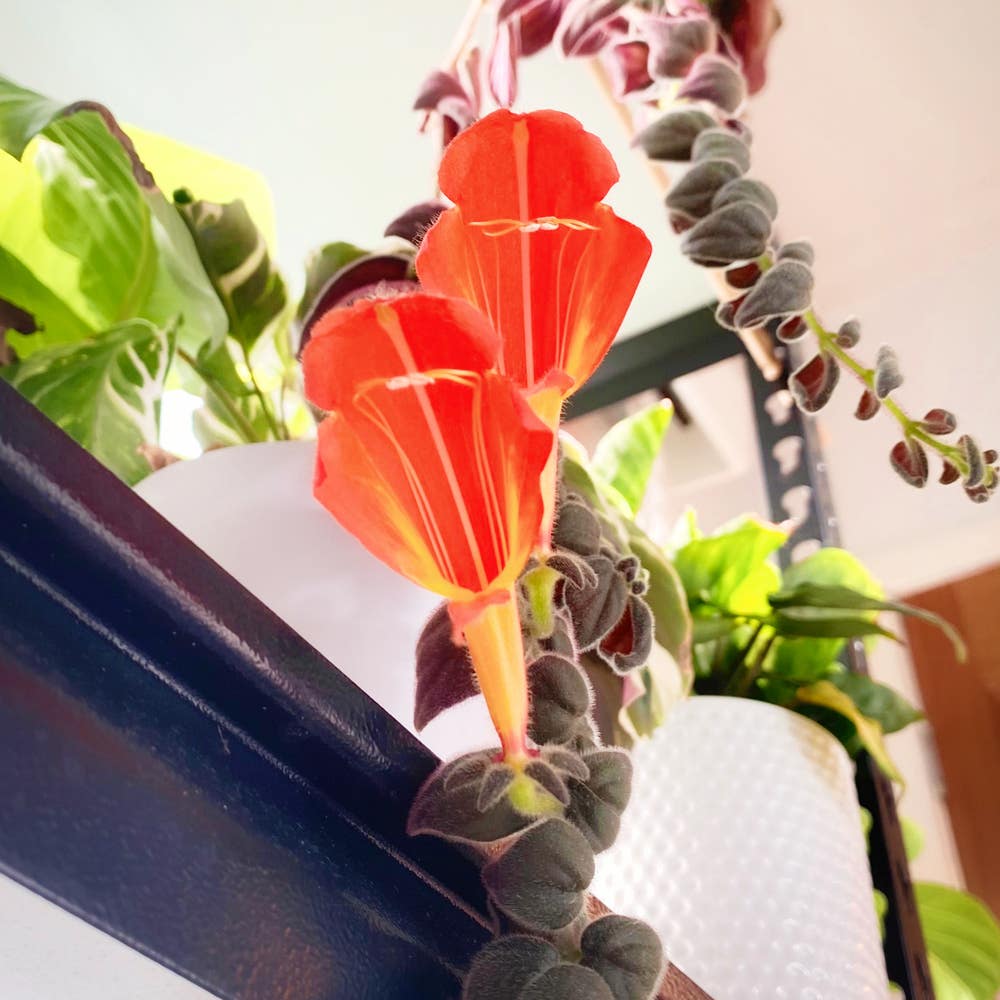
What To Do About Bugs on My Dancing Dolphin? 🐬
Columnea microcalyx
By the Greg Editorial Team
Feb 11, 2024•4 min read
This article was created with the help of AI so we can cover more plants for you. May contain errors. See one? Report it here.
Banish bugs and keep your Dancing Dolphin plant dancing with these expert pest control moves! 🌿🐜
- 🕸️ Spider mites and scale - look for webbing and bumps, treat with neem oil or alcohol.
- 🌱 Overwatering attracts gnats and flies, let soil dry to eliminate them.
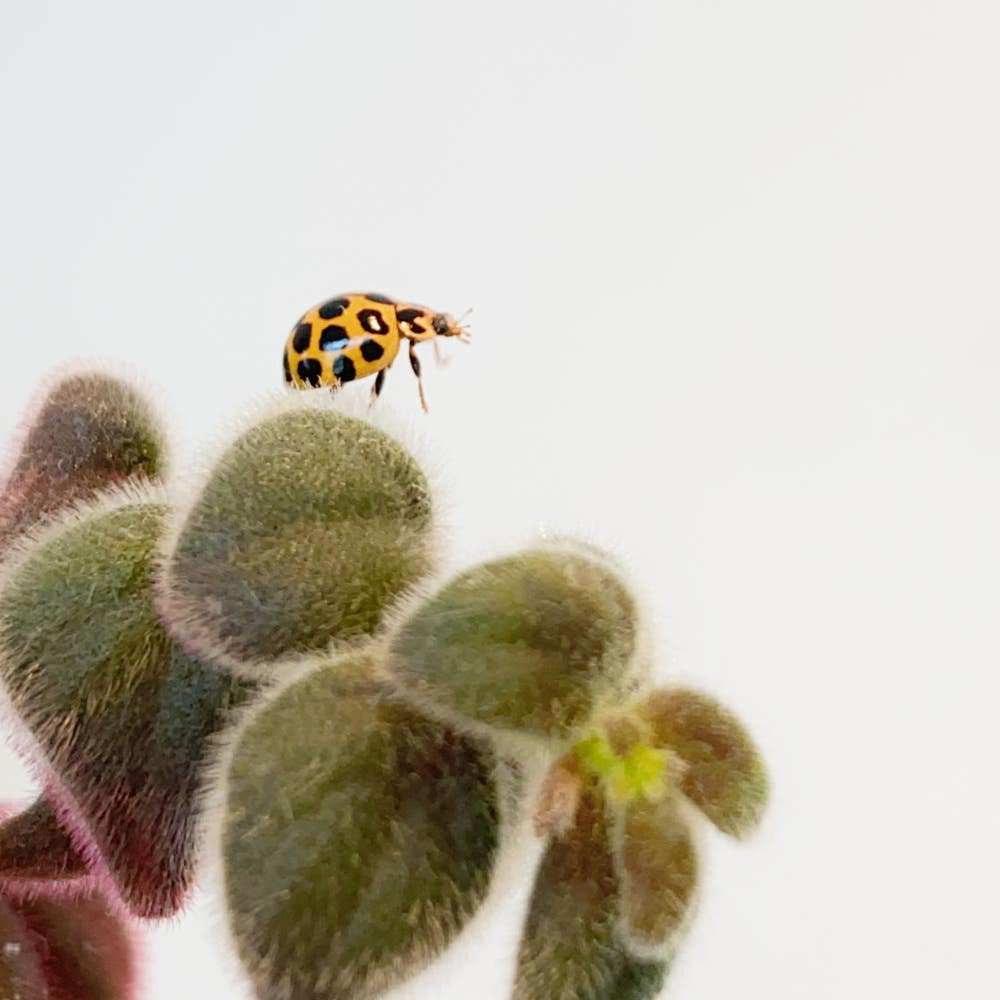
- 🐞 Use natural predators like ladybugs, and organic solutions for pest control.
Spot the Invaders: Identifying Common Pests
🕷️ Spider Mites: The Sneaky Sap-Suckers
Spotting the tell-tale signs on your Dancing Dolphin
Tiny webbing beneath the leaves? You've got spider mites. These minuscule marauders leave behind a trail of stippled leaves and fine silk.
Quick fixes and long-term spider mite eviction plans
Blast them with water or apply neem oil. Consistent humidity keeps them at bay, as they despise a moist environment.
🦠 Scale: Sticky Foes on Stems and Leaves
How to catch these camouflaged critters in the act
Look for bumps on stems and leaves. These pests pose as part of the plant, but they're really sap-sucking squatters.
Scrub-a-dub-dub: Getting rid of scale the safe way
Wipe them off with an alcohol-dipped swab or use a damp cloth. For a stubborn infestation, consider horticultural oil or insecticidal soap.
🦟 Fungus Gnats and Fruit Flies: More Than Just Annoying Buzzers
Unearthing the root of the problem in your Dolphin's pot
Overwatering invites these pests. If you spot tiny flies or larvae, it's time to rethink your watering schedule.
Traps and treatments: Saying goodbye to gnats and flies
Sticky traps are like fly paper for these pests. Let the soil dry out to discourage their return.
🐛 Mealybugs: The Fluffy White Menace
Decoding the cotton-like clues left by mealybugs
Spot white, fluffy deposits? Mealybugs are throwing a party at your plant's expense. They're sap-suckers that love to hide in crevices.
Alcohol to the rescue: Wiping out mealybugs effectively
Dab them with a Q-tip soaked in rubbing alcohol. For larger invasions, insecticidal soap or neem oil can be a plant's best friend.
Other Unwelcome Guests: Less Common but Equally Troublesome
🐜 Aphids: The Sap-Sucking Swarm
Clusters of tiny green or black bugs on new growth are a dead giveaway: aphids have landed. These pests are like uninvited guests at a dinner party, except they suck the life out of your Dancing Dolphin plant.
Blast them with water or dab with rubbing alcohol. If they're stubborn, introduce ladybugs, nature's hitmen for aphids, or apply insecticidal soap for a clean sweep.
🦗 Thrips: The Invisible Leaf Destroyers
Thrips are stealthy, leaving behind silvery streaks and black specks as evidence of their presence. They're the ninjas of the plant world, often going unnoticed until the damage is done.
Shake a leaf over white paper; if tiny black spots start moving, you've got thrips. Prune infested areas and consider neem oil or insecticidal soap as your weapons of choice. Remember, isolation is key to keeping these pests from spreading.
👻 Whiteflies: The Ghostly Plant Drainers
A cloud of tiny white pests taking flight when you disturb your plant? That's the whitefly circus in town. They're like vampires for your Dancing Dolphin, draining its vitality.
Yellow sticky traps are like flypaper for these pests, or you can go the neem oil route. Airflow is your ally; keep it moving to discourage whitefly stakeouts.
Your Pest Control Toolkit: Remedies and Prevention
🐞 Natural Predators and Organic Solutions
Nature's helpers are more than just charming garden guests; they're your frontline defense in the pest control crusade. Introducing predators like ladybugs and lacewings can turn your Dancing Dolphin's habitat into a no-fly zone for aphids and mealybugs.
Organic potions, like neem oil and insecticidal soaps, offer a chemical-free knock-out punch to pests. They're the eco-warriors of pest control, safeguarding your plant's health while keeping the environment clean.
🌱 Cultural Practices: The First Line of Defense
Proper watering and soil care aren't just about keeping your plant alive; they're about making it a fortress against pests. Overwatering is like throwing a pest party with an open invitation—avoid it.
Quarantine new plants like they're suspicious characters at the border. Inspect them thoroughly before they join the rest. It's like a background check for plants, ensuring no hidden bugs make it through the gates.
⚠️ Safety First
This content is for general information and may contain errors, omissions, or outdated details. It is not medical, veterinary advice, or an endorsement of therapeutic claims.
Always consult a qualified healthcare professional before using any plant as food, medicine, or supplement.
Never eat any plant (or feed one to pets) without confirming its identity with at least two trusted sources.
If you suspect poisoning, call Poison Control (800) 222-1222, the Pet Poison Helpline (800) 213-6680, or your local emergency service immediately.
Spotted an error? Please report it here.
Banish bugs from your Dancing Dolphin with savvy organic solutions and ensure they stay gone with Greg's 🛡 tailored watering reminders to keep your plant's environment pest-resistant!