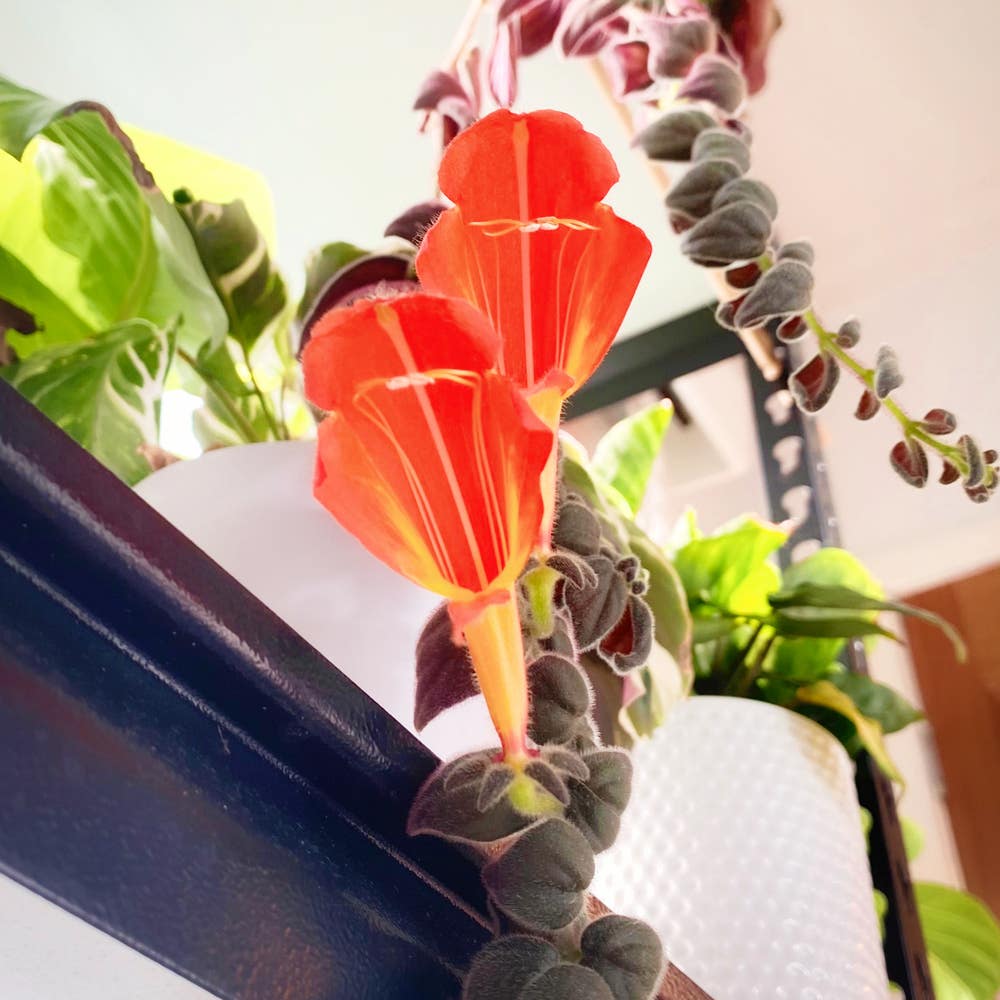
Why Is My Dancing Dolphin Dropping Leaves? 🐬
Columnea microcalyx
By the Greg Editorial Team
Feb 11, 2024•2 min read
This article was created with the help of AI so we can cover more plants for you. May contain errors. See one? Report it here.
Halt your Dancing Dolphin's distress 🍂 and revive its lush leaves with our vital care secrets! 🌟
- Balance watering habits to prevent Dancing Dolphin leaf drop.
- Sunlight and soil check-ups are key to maintaining leaf health.
- Monitor temperature, humidity, and pests to create a leaf-friendly environment.
Pinpointing the Culprits of Leaf Dropping
💧 Overwatering and Underwatering
Soggy soil and yellow leaves? You might be loving your Dancing Dolphin to death with too much water. Conversely, if the leaves resemble a piece of toast, you've entered the underwatering zone. Balance is key—your plant's not on a drinking schedule.
🌞 Light and Environmental Stress
If your Dancing Dolphin is dropping leaves like hot potatoes, it's time to assess its sunbathing habits. Too much light can scorch, too little can weaken. Find that sweet spot of bright, indirect sunlight and watch your plant thank you with a leafy high-five.
Reviving Your Plant: Immediate Steps to Take
🌱 Soil and Root Check-Up
Roots cramped like passengers in a tiny elevator? Time to repot. Your Dancing Dolphin's roots should have room to groove. Check for roots circling the topsoil or peeking out of drainage holes.
Moldy or compacted soil? It's a sign to refresh the mix. Opt for a well-draining concoction, and don't forget to check for root rot. Snip off any soggy, brown roots with sterilized scissors.
💧 Watering Wisdom
Overwatering is a common misstep. If the soil's top inch feels like a damp towel, hold off on the H2O. Your plant isn't a fish; it doesn't need to swim.
Invest in a moisture meter for precision, or trust the old finger test. When it's time to water, do so thoroughly, letting excess water escape to avoid soggy soil conditions. Remember, consistency is key—water when needed, not by the calendar.
Creating a Leaf-Friendly Environment
🌡️ Temperature and Humidity Harmony
Dancing Dolphin plants thrive in conditions that mimic their natural habitat. They prefer average household temperatures—not too hot, not too cold. Aim for a steady range between 65-75°F (18-24°C).
DIY Humidity Hacks
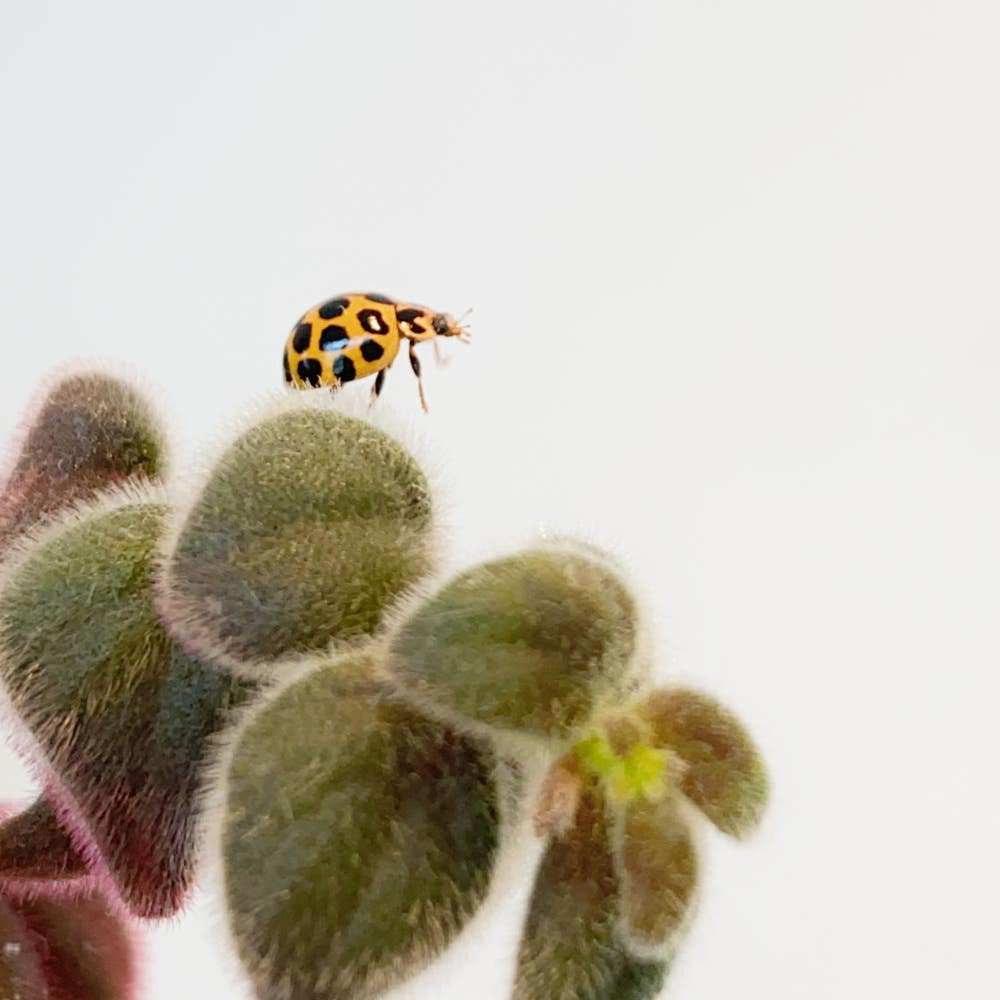
Boosting humidity doesn't have to cost a fortune. Pebble trays or placing your plant in naturally moist areas like the bathroom can up the ante. Grouping plants together creates a microclimate of shared humidity, but give them enough space to breathe and avoid pest parties.
🐜 Pest Patrol and Disease Defense
Early detection is key. Watch for tell-tale signs like discoloration or distorted growth.
Proactive Plant Care
Keep pests at bay with good airflow and avoid leaving leaves wet—this is a dinner invitation for fungi. If you spot trouble, isolate the plant and treat it promptly. Remember, a happy plant is less likely to succumb to pests and diseases.
⚠️ Safety First
This content is for general information and may contain errors, omissions, or outdated details. It is not medical, veterinary advice, or an endorsement of therapeutic claims.
Always consult a qualified healthcare professional before using any plant as food, medicine, or supplement.
Never eat any plant (or feed one to pets) without confirming its identity with at least two trusted sources.
If you suspect poisoning, call Poison Control (800) 222-1222, the Pet Poison Helpline (800) 213-6680, or your local emergency service immediately.
Spotted an error? Please report it here.
Prevent your Dancing Dolphin 🐬 from losing its leaves by letting Greg craft a custom watering plan and keep an eye on your home's climate for optimal plant health.