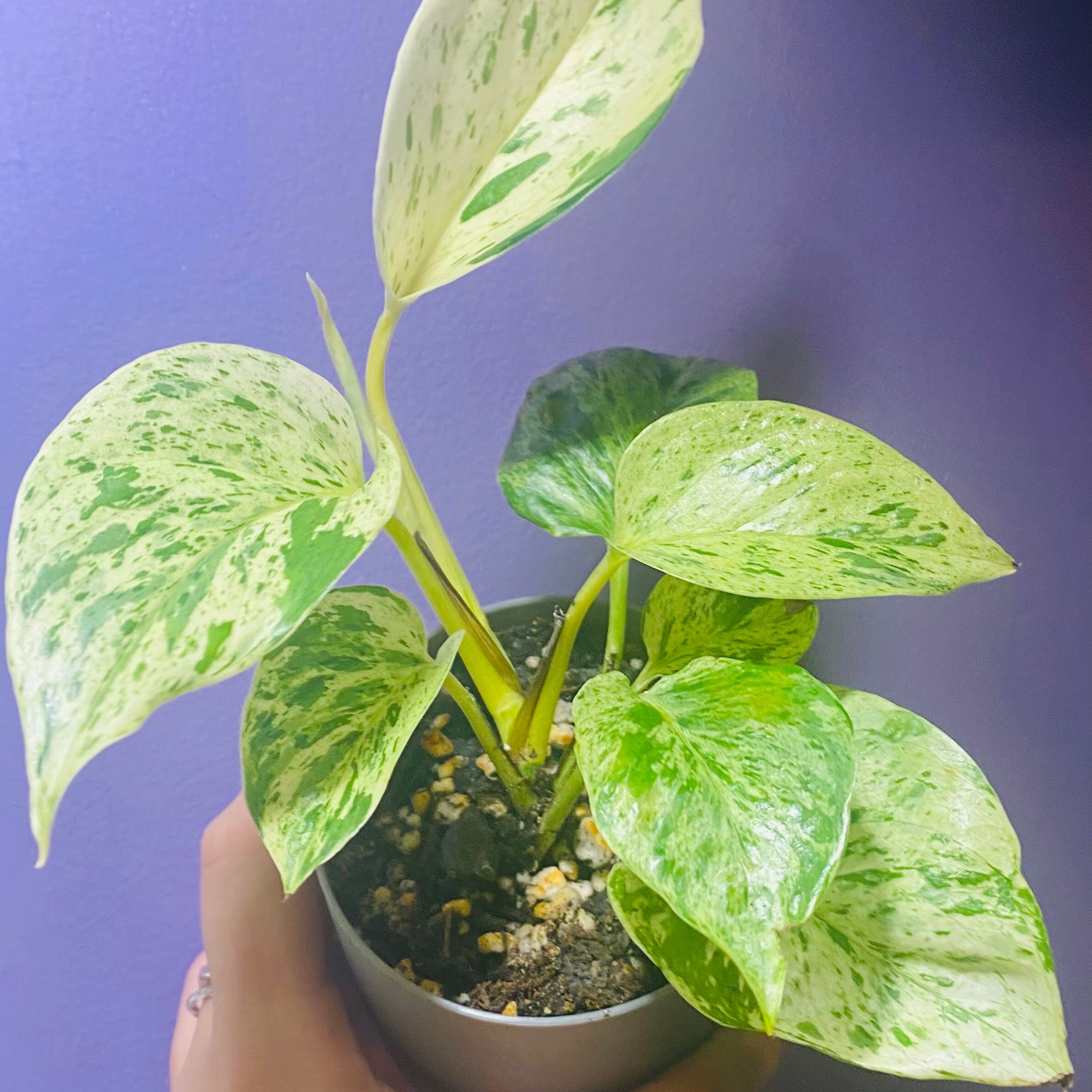
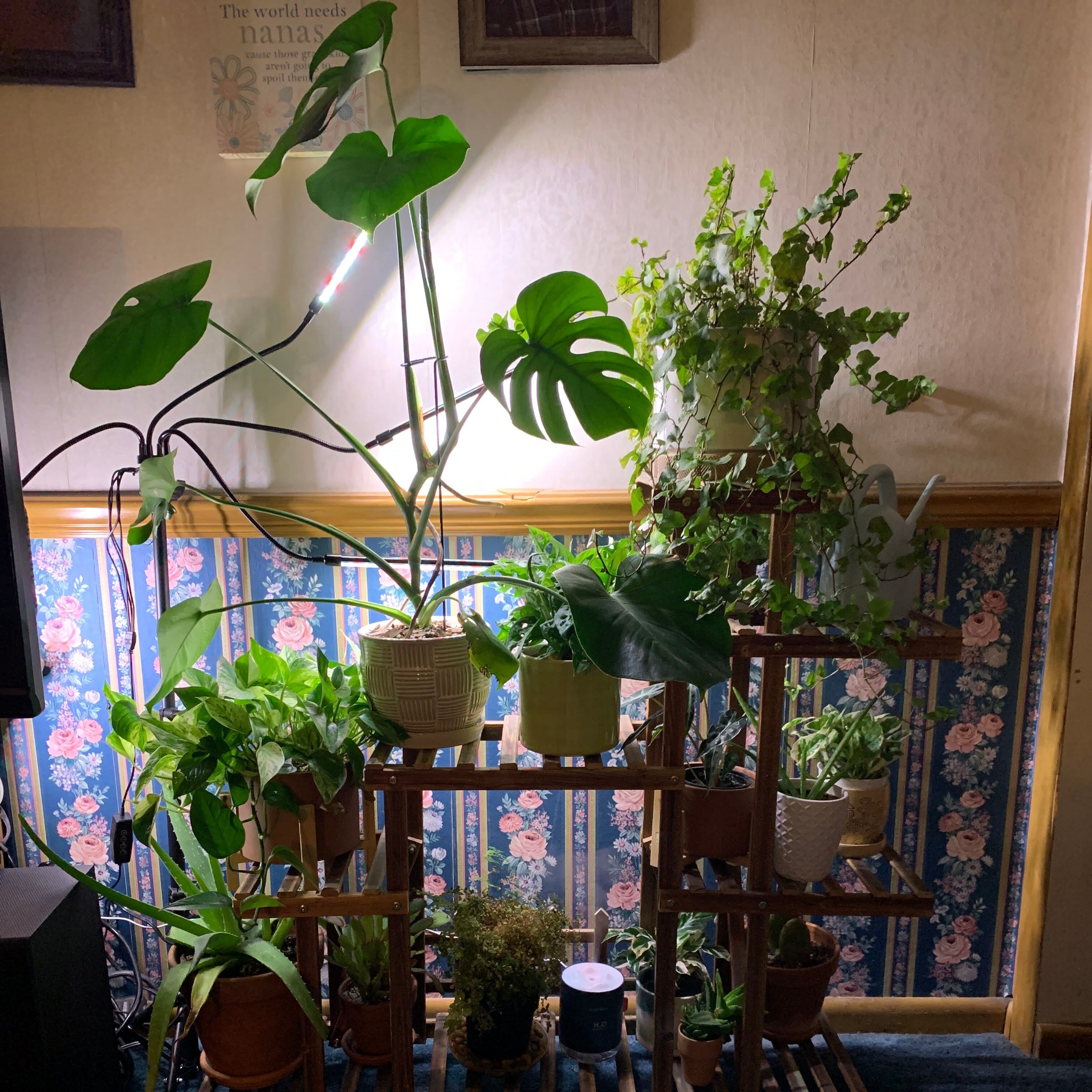
MonsteraMonday Join the Community #Monstera #NewGrowth #FicusGang #HappyPlants #Pothos #GrowLights New Popular @DreamMachine · 2d Are these #BirdsNestFern roots ok? 5 25 Comments @Bmd · 1w Happy Monday! Another beautiful sunset here in New York:) While admiring it, I put my scindapsus exotica on a moss pole! Excited to watch her grow! Hope you had a great day:) #HappyPlants #PlantsMakePeopleHappy #PlantAddict #NewGrowth #PropagationStation #SucculentLove #PlantTherapy #GrowLights #PetsAndPlants #MonsteraMonday 22 7 Comments @Bmd · 1w Good Morning :) Snoop seems to be entering the flowering phase 🙌🏻👏🎊 The white ‘hairs’ are actually called Pistils , and they are the primary reproductive organ of the female cannabis plant. Pistils actually act like little fingers, their job is to catch the airborne pollen of the male cannabis plant. This would allow the plant to make seeds( or babies). However, I have an auto flowering female cannabis plant. That means the pistils will not catch pollen to create seeds, but instead- the plant will create dense buds . This is the first time I have ever grown cannabis. A purchased 5 seeds. I germinated one of the seeds (using the paper towel method)- popped it in a 5 gallon bucket- and threw it under the sun. My plant isn’t perfect, my setup isn’t perfect- my care is certainly not perfect. But I’m happy I tried. And she seems like she will definitely produce. It is very easy to get discouraged with plants, especially one like cannabis. It’s easy to get into your head from things you’ve read that just tell you it’s too hard- but you’ll never know if you don’t try. I have a fun experiment/ group effort idea: Starting next week- I would love each one you (whoever sees this post and maybe whoever else you want to tag) to find a plant that you thought was to hard to take care of. If you buy a whole plant, a cutting, a corm, ect- it doesn’t matter. As long as you found it difficult to take care of at some point. Let’s give it another shot. All together, we can take care of our “crazy hard” plants. And we can all enjoy the updates that come through this thread, (I’m positive it will read ALOT of success). Because YOU can do anything. No such thing as too hard! And you may not need an elaborate setup or plan 🤷♂️ I can make a seperate post with tags if anybody is interested. Anyways, have an amazing Sunday. PS: I am over the legal age of 21. Cannabis planting/ growing/ smoking/ buying ect is LEGAL recreationally and medically in the state of NY. DO NOT engage with this post if Underage. As always, check YOUR states rules and regulations around Cannabis before saying something to me if you're angry. The laws vary by state. And lastly, this post IS allowed on Greg. They have the plant in their inventory. #HappyPlants #PlantsMakePeopleHappy #PlantAddict #NewGrowth #PropagationStation #PlantTherapy #GrowLights #MonsteraMonday 22 15 Comments @SillyPlantGirl · 1w Monstera growing SO fast. The plant on the right is my mother plant. I propagated 3 cuttings about 2-3 months ago, and put them in soil on July 10th. Yesterday I had to repot them because the roots were growing out the top and bottom. A month?!?!? Had anyone else had props grow this fast? Is it because mine are outdoors? #HappyPlants #PlantsMakePeopleHappy #PlantAddict #NewGrowth #PropagationStation #MonsteraMonday #Monstera #MonsteraMob #GregGang #Greggers #TheWateringHole 19 14 Comments @Bmd · 2w Happy Monday! I unfortunately can’t seem to shake the rust fungus off of my Monstera Mint. I have been doing treatments with captain jacks for a little over a month now. (Spraying the entire plant once every 9 days)- and there’s still ALOT of new fungal growth. The fungus is only on the small leaves- the 2 largest leaves are untouched, including the newest leaf. My issue is, it’s on the 5 smaller leaves. And there’s only 7 leaves total. So I can’t clip these off. The plant is super healthy and beautiful otherwise. Any suggestions? Also, another beautiful sunset tonight :) just thought I’d throw it in there. #HappyPlants #PlantsMakePeopleHappy #PlantAddict #NewGrowth #PropagationStation #SucculentLove #PlantTherapy #GrowLights #NewPlantMom #OrchidLovers #MonsteraMonday 15 21 Comments @Bmd · 2w Brooklynn and Amber came to help me inspect the tomatoes! 🍅 They are great help😂. Getting ready to put a big green house out in the yard….maybe multiple😅 we shall see. #HappyPlants #PlantsMakePeopleHappy #PlantAddict #NewGrowth #PropagationStation #PlantTherapy #GrowLights #NewPlantMom #OrchidLovers #MonsteraMonday #PlantCorner #BeforeAndAfter 18 37 Comments @Bmd · 2w Snoop Update! We have officially moved on to the second tier 👏 the node spacing seems to be really good, and everything is symmetrical. It’s been so cool to watch the classic leaf take shape and to known there are no pesticides or anything being sprayed 🙌🏻🙌🏻 Growing straight in Earths oven …the sun. I shall keep you updated :) PS: I am over the legal age of 21. Cannabis planting/ growing/ smoking/ buying ect is LEGAL recreationally and medically in the state of NY. DO NOT engage with this post if Underage. As always, check YOUR states rules and regulations around Cannabis before saying something to me if you’re angry. The laws vary by state. And lastly, this post IS allowed on Greg. They have the plant in their inventory. Thanks 👋 #HappyPlants #PlantsMakePeopleHappy #PlantAddict #NewGrowth #PropagationStation #PlantTherapy #GrowLights #MonsteraMonday #PlantCorner #BeforeAndAfter 6 15 Comments @SpyderLily · 2w PSA to all my Oklahomies—GO HIT UP CREST FOR $14.99 TROPICALS!!!! I know there must be some Sooners/Cowboys on here, but @Kittylover1612 is the only one that's on my tag list 😣😩😂 They have monstera, dieffenbachia, cordyline, palm, fiddle leaf fig, alocasia, dragon tree, and a few others I can't remember off the top of my head. Ugh, I wanted so many of them but this window is literally the only space in my house to put plants (bigger ones, anyway) and actually be able to enjoy them, so I had to limit myself to one AND IT WAS SO HARD TO CHOOSE! 😭😭 The elephant ears were GORGEOUS, but I just don't have the room 😣😣😣😩😩😩😩😩😩 If anybody has any Oklahoma friends on here please tag them! #happyplants #plantsmakepeoplehappy #plantaddict #newgrowth #propagationstation #succulentlove #planttherapy #growlights #newplantmom #petsandplants #monsteramonday #plantcorner #plantshelfie 1 10 Comments @SpyderLily · 2w Need suggestions for a new space! 7 29 Comments @Popcornjoness · 3w #MonsteraMonday I’m so late lol My girls are all showing out!!! Especially Eva, she’s usually far behind these other two. I’m so excited!!!! #HappyPlants #PlantsMakePeopleHappy #PlantAddict #NewGrowth #NewLeafAlert #Fenestrations #Monstera #monsterathaiconstellation #MonsteraAlbo #MonsteraMob #GregGang #Greggers #PLANTMAFIA #RarePlants #Variegated 10 5 Comments @Kalm · 3w I found some moving dots in the new growth on my Swiss Mint Monstera. I took care of them immediately and moved the plant to its own area. I saw another moving in the soil but lost it. Can anyone help identify? Really hope it’s not Thrips. #MonsteraMonday #PestControl #RarePlants #PlantsMakePeopleHappy #PlantAddict #NewGrowth 3 26 Comments @Bmd · 3w Happy Monday! Rainy day today on Long Island, but the green is Lush! I picked up these 2 new Alocasia (one looks just like a philodendron golden crock without the color) but is a type of Alocasia I never heard of. My caladium bloom has went to sleep (wasn’t pollinated) so it redirected its energy towards the leaves, and she’s big and beautiful and full. New leaf coming on my monstera New leaf unfurled & new leaf coming on my ruby ficus New leaf coming on my 3 kings syngonium Prayer plant props are pushing out new growth 🙌🏻🙌🏻 I have blue mint monstera and Burle Marx in their humidity domes. Still some rust fungus appearing on my regular mint monstera. I’m 4 treatments in, and although there’s new growth- it’s localized. So I do believe I stopped the spread. And that my friends is my Monday update! Have a great day, be a kind person. #HappyPlants #PlantsMakePeopleHappy #PlantAddict #NewGrowth #PropagationStation #SucculentLove #PlantTherapy #GrowLights #PetsAndPlants #MonsteraMonday #PlantCorner #BeforeAndAfter 16 19 Comments @Idplantthat · 3w I was over dropping off some caladiums to family and a few friends and just had to share how beautiful they have gotten. Three or four actually have flowers! Which is so exciting to me. I’ve never seen a caladium bloom before! 🥰💕 #HappyPlants #PlantsMakePeopleHappy #PlantAddict #NewGrowth #PropagationStation #PlantTherapy #GrowLights #PetsAndPlants #PlantCorner #TheThread #TheWateringHole #Monstera #MonsteraMonday #PlantCorner #BeforeAndAfter #PlantShelfie #RarePlants #PlantID 22 8 Comments @SpyderLily · 3w My sister is moving into a new house and when I went inside to have a look around I saw this staggered shelf table in a corner. I commented that I've been looking for something just like it to put in my living room so I can move my monstera and a couple of other plants over to the windows (they've been living on my kitchen counter). AND SHE TOLD ME TO TAKE IT!! 😍😍😍 It's obviously built to be a corner table BUT I'LL MAKE IT WORK! 😂 I'm now considering mounting a moss pole to the wall for Athena. 🤔🤔 What do you guys think?? (I'm also going to repot her, she's growing out the bottom of that one 🫣🫣) @Alucen @DreamMachine @FunLentenrose37 @Idplantthat @Malagueña @MariansOasis @princesspitstop @SillyPlantGirl @debbiedo @Kittylover1612 @Ms.Persnickety @planthoe40 @HolyLacealoe @Succulent_Soul #happyplants #plantsmakepeoplehappy #plantaddict #planttherapy #monsteramonday #thewateringhole 21 21 Comments @Idplantthat · 3w My plants I was happily working on today. The blue pot Ocotillo, just sold, so he’ll be making a new home. It’s bittersweet, it’s a favorite of mine. My Kalanchos have gone wild. They are a little of a mess. I’m going to have to play with them to grow a little better. .. #HappyPlants #PlantsMakePeopleHappy #PlantAddict #NewGrowth #PropagationStation #SucculentLove #PlantTherapy #GrowLights #PetsAndPlants #OrchidLovers #MonsteraMonday #PlantCorner #BeforeAndAfter #PestControl #PlantShelfie #RarePlants #PlantID #TheThread #TheWateringHole 6 14 Comments @Bmd · 4w Happy Monday! I purchased my White Queen Caladium as a tuber (photo attached). Therefore, I’ve had the pleasure of watching the growth completely from start to finish. I noticed a couple weeks ago that there was some growth that didn’t look familiar to me. Keep in mind this is my first caladium ever. I let the plant do its thing and I just watched. But every day I would look at the “weird” growth and think….. why the heck won’t this leaf unfurl. Until this morning. It dawned on me. Is it possible my Caladium is blooming? AND CLICK. I THINK THATS EXACTLY WHAT IS HAPPENING. I am just so excited this morning, I’ve read that this is pretty rare indoors🤷♂️ #HappyPlants #PlantsMakePeopleHappy #PlantAddict #NewGrowth #SucculentLove #PlantTherapy #PetsAndPlants #MonsteraMonday #PlantCorner #BeforeAndAfter #PlantShelfie #RarePlants #PetsAndPlants 19 18 Comments @Idplantthat · 4w Just gonna share some new pics of an old plant. 🤣🫶 #HappyPlants #PlantsMakePeopleHappy #PlantAddict #Hoya #HoyaHangout #HoyaHeads #Philodendron #Anthurium #AlocasiaAddicts #Alocasia #NewGrowth #PropagationStation #PlantTherapy #GrowLights #PetsAndPlants #MonsteraMonday #PlantCorner #BeforeAndAfter #PlantShelfie #RarePlants #PlantID 13 14 Comments
MonsteraMonday Join the Community #Monstera #NewGrowth #FicusGang #HappyPlants #Pothos #GrowLights New Popular Ask a Question 5 25 Are these #BirdsNestFern roots ok? @DreamMachine asked 2d ago 22 7 Happy Monday! Another beautiful sunset here in New York:) While admiring it, I put my scindapsus exotica on a moss pole! Excited to watch her grow! Hope you had a great day:) #HappyPlants #PlantsMakePeopleHappy #PlantAddict #NewGrowth #PropagationStation #SucculentLove #PlantTherapy #GrowLights #PetsAndPlants #MonsteraMonday @Bmd posted 1w ago 22 15 Good Morning :) Snoop seems to be entering the flowering phase 🙌🏻👏🎊 The white ‘hairs’ are actually called Pistils , and they are the primary reproductive organ of the female cannabis plant. Pistils actually act like little fingers, their job is to catch the airborne pollen of the male cannabis plant. This would allow the plant to make seeds( or babies). However, I have an auto flowering female cannabis plant. That means the pistils will not catch pollen to create seeds, but instead- the plant will create dense buds . This is the first time I have ever grown cannabis. A purchased 5 seeds. I germinated one of the seeds (using the paper towel method)- popped it in a 5 gallon bucket- and threw it under the sun. My plant isn’t perfect, my setup isn’t perfect- my care is certainly not perfect. But I’m happy I tried. And she seems like she will definitely produce. It is very easy to get discouraged with plants, especially one like cannabis. It’s easy to get into your head from things you’ve read that just tell you it’s too hard- but you’ll never know if you don’t try. I have a fun experiment/ group effort idea: Starting next week- I would love each one you (whoever sees this post and maybe whoever else you want to tag) to find a plant that you thought was to hard to take care of. If you buy a whole plant, a cutting, a corm, ect- it doesn’t matter. As long as you found it difficult to take care of at some point. Let’s give it another shot. All together, we can take care of our “crazy hard” plants. And we can all enjoy the updates that come through this thread, (I’m positive it will read ALOT of success). Because YOU can do anything. No such thing as too hard! And you may not need an elaborate setup or plan 🤷♂️ I can make a seperate post with tags if anybody is interested. Anyways, have an amazing Sunday. PS: I am over the legal age of 21. Cannabis planting/ growing/ smoking/ buying ect is LEGAL recreationally and medically in the state of NY. DO NOT engage with this post if Underage. As always, check YOUR states rules and regulations around Cannabis before saying something to me if you're angry. The laws vary by state. And lastly, this post IS allowed on Greg. They have the plant in their inventory. #HappyPlants #PlantsMakePeopleHappy #PlantAddict #NewGrowth #PropagationStation #PlantTherapy #GrowLights #MonsteraMonday @Bmd posted 1w ago 19 14 Monstera growing SO fast. The plant on the right is my mother plant. I propagated 3 cuttings about 2-3 months ago, and put them in soil on July 10th. Yesterday I had to repot them because the roots were growing out the top and bottom. A month?!?!? Had anyone else had props grow this fast? Is it because mine are outdoors? #HappyPlants #PlantsMakePeopleHappy #PlantAddict #NewGrowth #PropagationStation #MonsteraMonday #Monstera #MonsteraMob #GregGang #Greggers #TheWateringHole @SillyPlantGirl posted 1w ago 15 21 Happy Monday! I unfortunately can’t seem to shake the rust fungus off of my Monstera Mint. I have been doing treatments with captain jacks for a little over a month now. (Spraying the entire plant once every 9 days)- and there’s still ALOT of new fungal growth. The fungus is only on the small leaves- the 2 largest leaves are untouched, including the newest leaf. My issue is, it’s on the 5 smaller leaves. And there’s only 7 leaves total. So I can’t clip these off. The plant is super healthy and beautiful otherwise. Any suggestions? Also, another beautiful sunset tonight :) just thought I’d throw it in there. #HappyPlants #PlantsMakePeopleHappy #PlantAddict #NewGrowth #PropagationStation #SucculentLove #PlantTherapy #GrowLights #NewPlantMom #OrchidLovers #MonsteraMonday @Bmd posted 2w ago 18 37 Brooklynn and Amber came to help me inspect the tomatoes! 🍅 They are great help😂. Getting ready to put a big green house out in the yard….maybe multiple😅 we shall see. #HappyPlants #PlantsMakePeopleHappy #PlantAddict #NewGrowth #PropagationStation #PlantTherapy #GrowLights #NewPlantMom #OrchidLovers #MonsteraMonday #PlantCorner #BeforeAndAfter @Bmd posted 2w ago 6 15 Snoop Update! We have officially moved on to the second tier 👏 the node spacing seems to be really good, and everything is symmetrical. It’s been so cool to watch the classic leaf take shape and to known there are no pesticides or anything being sprayed 🙌🏻🙌🏻 Growing straight in Earths oven …the sun. I shall keep you updated :) PS: I am over the legal age of 21. Cannabis planting/ growing/ smoking/ buying ect is LEGAL recreationally and medically in the state of NY. DO NOT engage with this post if Underage. As always, check YOUR states rules and regulations around Cannabis before saying something to me if you’re angry. The laws vary by state. And lastly, this post IS allowed on Greg. They have the plant in their inventory. Thanks 👋 #HappyPlants #PlantsMakePeopleHappy #PlantAddict #NewGrowth #PropagationStation #PlantTherapy #GrowLights #MonsteraMonday #PlantCorner #BeforeAndAfter @Bmd posted 2w ago 1 10 PSA to all my Oklahomies—GO HIT UP CREST FOR $14.99 TROPICALS!!!! I know there must be some Sooners/Cowboys on here, but @Kittylover1612 is the only one that's on my tag list 😣😩😂 They have monstera, dieffenbachia, cordyline, palm, fiddle leaf fig, alocasia, dragon tree, and a few others I can't remember off the top of my head. Ugh, I wanted so many of them but this window is literally the only space in my house to put plants (bigger ones, anyway) and actually be able to enjoy them, so I had to limit myself to one AND IT WAS SO HARD TO CHOOSE! 😭😭 The elephant ears were GORGEOUS, but I just don't have the room 😣😣😣😩😩😩😩😩😩 If anybody has any Oklahoma friends on here please tag them! #happyplants #plantsmakepeoplehappy #plantaddict #newgrowth #propagationstation #succulentlove #planttherapy #growlights #newplantmom #petsandplants #monsteramonday #plantcorner #plantshelfie @SpyderLily posted 2w ago 7 29 Need suggestions for a new space! @SpyderLily asked 2w ago 10 5 #MonsteraMonday I’m so late lol My girls are all showing out!!! Especially Eva, she’s usually far behind these other two. I’m so excited!!!! #HappyPlants #PlantsMakePeopleHappy #PlantAddict #NewGrowth #NewLeafAlert #Fenestrations #Monstera #monsterathaiconstellation #MonsteraAlbo #MonsteraMob #GregGang #Greggers #PLANTMAFIA #RarePlants #Variegated @Popcornjoness posted 3w ago 3 26 I found some moving dots in the new growth on my Swiss Mint Monstera. I took care of them immediately and moved the plant to its own area. I saw another moving in the soil but lost it. Can anyone help identify? Really hope it’s not Thrips. #MonsteraMonday #PestControl #RarePlants #PlantsMakePeopleHappy #PlantAddict #NewGrowth @Kalm posted 3w ago 16 19 Happy Monday! Rainy day today on Long Island, but the green is Lush! I picked up these 2 new Alocasia (one looks just like a philodendron golden crock without the color) but is a type of Alocasia I never heard of. My caladium bloom has went to sleep (wasn’t pollinated) so it redirected its energy towards the leaves, and she’s big and beautiful and full. New leaf coming on my monstera New leaf unfurled & new leaf coming on my ruby ficus New leaf coming on my 3 kings syngonium Prayer plant props are pushing out new growth 🙌🏻🙌🏻 I have blue mint monstera and Burle Marx in their humidity domes. Still some rust fungus appearing on my regular mint monstera. I’m 4 treatments in, and although there’s new growth- it’s localized. So I do believe I stopped the spread. And that my friends is my Monday update! Have a great day, be a kind person. #HappyPlants #PlantsMakePeopleHappy #PlantAddict #NewGrowth #PropagationStation #SucculentLove #PlantTherapy #GrowLights #PetsAndPlants #MonsteraMonday #PlantCorner #BeforeAndAfter @Bmd posted 3w ago 22 8 I was over dropping off some caladiums to family and a few friends and just had to share how beautiful they have gotten. Three or four actually have flowers! Which is so exciting to me. I’ve never seen a caladium bloom before! 🥰💕 #HappyPlants #PlantsMakePeopleHappy #PlantAddict #NewGrowth #PropagationStation #PlantTherapy #GrowLights #PetsAndPlants #PlantCorner #TheThread #TheWateringHole #Monstera #MonsteraMonday #PlantCorner #BeforeAndAfter #PlantShelfie #RarePlants #PlantID @Idplantthat posted 3w ago 21 21 My sister is moving into a new house and when I went inside to have a look around I saw this staggered shelf table in a corner. I commented that I've been looking for something just like it to put in my living room so I can move my monstera and a couple of other plants over to the windows (they've been living on my kitchen counter). AND SHE TOLD ME TO TAKE IT!! 😍😍😍 It's obviously built to be a corner table BUT I'LL MAKE IT WORK! 😂 I'm now considering mounting a moss pole to the wall for Athena. 🤔🤔 What do you guys think?? (I'm also going to repot her, she's growing out the bottom of that one 🫣🫣) @Alucen @DreamMachine @FunLentenrose37 @Idplantthat @Malagueña @MariansOasis @princesspitstop @SillyPlantGirl @debbiedo @Kittylover1612 @Ms.Persnickety @planthoe40 @HolyLacealoe @Succulent_Soul #happyplants #plantsmakepeoplehappy #plantaddict #planttherapy #monsteramonday #thewateringhole @SpyderLily posted 3w ago 6 14 My plants I was happily working on today. The blue pot Ocotillo, just sold, so he’ll be making a new home. It’s bittersweet, it’s a favorite of mine. My Kalanchos have gone wild. They are a little of a mess. I’m going to have to play with them to grow a little better. .. #HappyPlants #PlantsMakePeopleHappy #PlantAddict #NewGrowth #PropagationStation #SucculentLove #PlantTherapy #GrowLights #PetsAndPlants #OrchidLovers #MonsteraMonday #PlantCorner #BeforeAndAfter #PestControl #PlantShelfie #RarePlants #PlantID #TheThread #TheWateringHole @Idplantthat posted 3w ago 19 18 Happy Monday! I purchased my White Queen Caladium as a tuber (photo attached). Therefore, I’ve had the pleasure of watching the growth completely from start to finish. I noticed a couple weeks ago that there was some growth that didn’t look familiar to me. Keep in mind this is my first caladium ever. I let the plant do its thing and I just watched. But every day I would look at the “weird” growth and think….. why the heck won’t this leaf unfurl. Until this morning. It dawned on me. Is it possible my Caladium is blooming? AND CLICK. I THINK THATS EXACTLY WHAT IS HAPPENING. I am just so excited this morning, I’ve read that this is pretty rare indoors🤷♂️ #HappyPlants #PlantsMakePeopleHappy #PlantAddict #NewGrowth #SucculentLove #PlantTherapy #PetsAndPlants #MonsteraMonday #PlantCorner #BeforeAndAfter #PlantShelfie #RarePlants #PetsAndPlants @Bmd posted 4w ago 13 14 Just gonna share some new pics of an old plant. 🤣🫶 #HappyPlants #PlantsMakePeopleHappy #PlantAddict #Hoya #HoyaHangout #HoyaHeads #Philodendron #Anthurium #AlocasiaAddicts #Alocasia #NewGrowth #PropagationStation #PlantTherapy #GrowLights #PetsAndPlants #MonsteraMonday #PlantCorner #BeforeAndAfter #PlantShelfie #RarePlants #PlantID @Idplantthat posted 4w ago

 MonsteraMondayMonsteraMonday