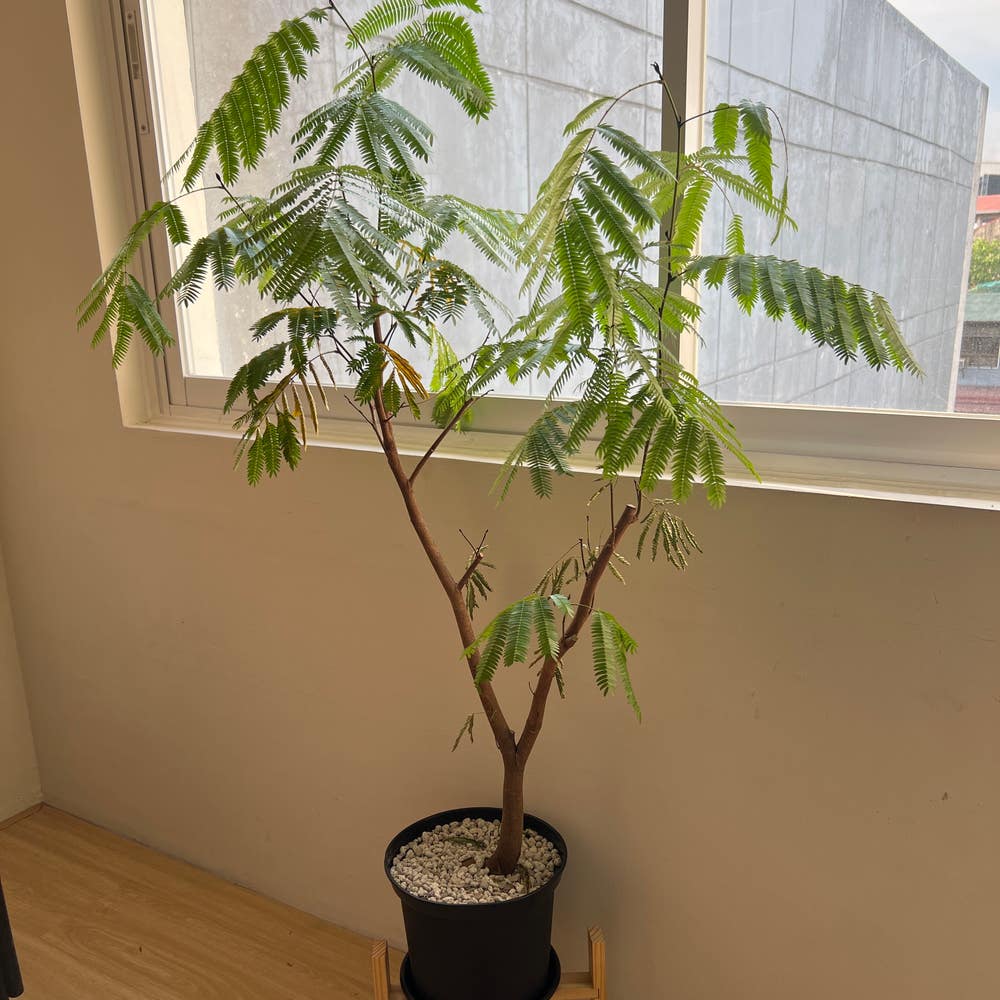
🍫 Managing Yellow Leaves on Your Chocolate Mimosa Tree
Albizia julibrissin 'Summer Chocolate'
By the Greg Editorial Team
Sep 28, 2024•6 min read
This article was created with the help of AI so we can cover more plants for you. May contain errors. See one? Report it here.
Revive your Summer Chocolate Mimosa tree by mastering the secrets to diagnosing and treating yellow leaves! 🌿
- 🌱 Yellow leaves indicate nutrient deficiencies, especially nitrogen and iron.
- 💧 Overwatering and poor drainage lead to yellowing; adjust watering schedule accordingly.
- 🐛 Pest infestations and fungal infections can worsen yellow leaves; monitor and treat promptly.
Causes of Yellow Leaves
🥬 Nutrient Deficiencies
Nutrient deficiencies can significantly impact the health of your Summer Chocolate Mimosa tree.
- Nitrogen Deficiency: This often manifests as pale yellow leaves, particularly in older foliage.
- Iron Deficiency: Look for yellowing between leaf veins while the veins themselves remain green.
Balanced fertilization is crucial for maintaining the vibrant health of your Mimosa tree. Regularly assessing nutrient levels can help prevent these issues.
🚰 Overwatering and Poor Drainage
Overwatering is a common culprit behind yellow leaves.
Signs include yellowing leaves, wilting, and even root rot.
Well-drained soil is essential for your tree's health. Sandy loam or clay loam with good drainage is recommended.
To improve soil drainage, consider adding organic matter or perlite. These amendments enhance aeration and help prevent waterlogging.
🐛 Pest Infestations
Pests can wreak havoc on your Summer Chocolate Mimosa.
- Aphids: These tiny insects cause curled leaves and leave behind a sticky residue.
- Spider Mites: Look for fine webbing and stippled leaves as indicators of an infestation.
Pests not only affect leaf health but can also diminish the overall vigor of your tree. Regular monitoring is key to catching these issues early.
🍄 Fungal Infections
Fungal infections are another serious concern for Mimosa trees.
- Root Rot: Often caused by overwatering and poor drainage, this can be fatal if not addressed.
- Leaf Spot Diseases: These present as yellow spots on leaves, signaling a need for immediate action.
Identifying and treating fungal infections promptly is vital for the longevity of your tree. Neglecting these issues can lead to more severe problems down the line.
Understanding these causes will empower you to take proactive steps in maintaining your Summer Chocolate Mimosa tree. Next, we’ll explore how to diagnose yellow leaves effectively.
Diagnosing Yellow Leaves
Identifying Symptoms 🌿
When diagnosing yellow leaves on your Summer Chocolate Mimosa tree, start by observing the type of yellowing. Is it general yellowing across the entire tree, or is it localized to specific leaves?
Additionally, look for signs of leaf drop or wilting that accompany the yellowing. These symptoms can indicate different underlying issues that need addressing.
Assessing Soil Conditions 🌱
Next, assess the soil conditions around your tree. Check the moisture levels using a moisture meter or simply by inserting your finger into the soil to gauge its dampness.
Evaluate the drainage as well. Signs of compacted soil or standing water can signal that your tree isn't getting the drainage it needs.
Checking for Pests 🐛
Pests can also contribute to yellow leaves. Inspect the undersides of leaves and stems for any unwanted visitors.
Look for sticky residue or fine webbing, which can indicate aphids or spider mites. Early detection is key to managing these pests effectively.
Evaluating Watering Practices 💧
Finally, take a close look at your watering practices. Ideally, you should be deep watering your Mimosa tree every 1-2 weeks, adjusting based on rainfall.
Be mindful of the soil's condition. Yellow leaves combined with either dry or soggy soil can signal improper watering, which needs to be corrected for your tree's health.
By carefully diagnosing these aspects, you can pinpoint the cause of yellow leaves and take appropriate action. Next, let’s explore effective solutions to restore your tree’s vibrant health.
Solutions for Yellow Leaves
🌊 Adjusting Watering Schedule
To combat yellow leaves, start by adjusting your watering schedule. Allow the soil to dry out between waterings to prevent root rot.
Consider using the Greg plant care app for AI-powered reminders. This tool can help you maintain a consistent watering routine tailored to your tree's needs.
🌱 Fertilization Techniques
Fertilization is crucial for restoring your Summer Chocolate Mimosa's health. Use a balanced NPK fertilizer during the growing season to provide essential nutrients.
Always follow package instructions for dosage and frequency. This ensures your tree receives the right amount of nutrients without the risk of over-fertilization.
🐞 Pest Management Strategies
Pest infestations can severely impact leaf health. Employ organic pest control methods like neem oil or insecticidal soap to tackle aphids and spider mites effectively.
Regular monitoring is key for early detection. Check your tree frequently to catch any pest issues before they escalate.
🍄 Treating Fungal Infections
Fungal infections can be detrimental to your Mimosa tree. Use fungicides specifically designed for leaf spot diseases to treat affected areas promptly.
Additionally, improving air circulation around the tree can help prevent future fungal growth. This simple adjustment can make a significant difference in your tree's overall health.
🌧️ Improving Soil Drainage
Proper soil drainage is essential for a thriving Mimosa tree. Incorporate organic matter into the soil to enhance drainage and aeration.
If drainage issues persist, consider planting in raised beds. This can provide the necessary elevation for better water flow and root health.
By implementing these solutions, you can effectively manage yellow leaves and promote a healthier, more vibrant Summer Chocolate Mimosa tree. Next, let’s explore preventative measures to keep your tree thriving year-round.
Preventative Measures
Regular Monitoring 🌱
Routine checks are essential for maintaining the health of your Summer Chocolate Mimosa tree. Keep an eye out for yellow leaves and overall tree vitality to catch potential issues early.
Documenting your observations in a care journal can be incredibly beneficial. Tracking changes and interventions helps you identify patterns and adjust your care strategies effectively.
Seasonal Care Tips 🍂
Adjusting your care routine according to the seasons is crucial. Fertilize in spring and fall to provide essential nutrients when your tree needs them most.
Watering practices should also adapt to weather conditions. Increase watering during dry spells and reduce it when rainfall is abundant to prevent overwatering.
Soil Testing and Amendments 🧪
Testing your soil's pH and nutrient levels is a proactive approach to tree health. Aim to conduct these tests every 1-2 years for the best results.
Based on your test findings, consider necessary amendments. This could involve adding specific nutrients or adjusting pH levels to create an optimal growing environment.
Proper Pruning Techniques ✂️
Pruning is vital for enhancing airflow and overall tree health. Regularly remove dead or diseased branches to prevent potential issues.
Timing is key; late winter or early spring is the best period for pruning. This allows your tree to flourish with new growth as the seasons change.
By implementing these preventative measures, you can significantly enhance the health and vigor of your Summer Chocolate Mimosa tree. Next, we’ll explore when it’s time to seek professional help for more serious issues.
When to Seek Professional Help
🐜 Signs of Severe Infestation
If you notice large populations of pests on your Summer Chocolate Mimosa tree, it's time to consider professional help. Extensive leaf damage, such as significant yellowing or wilting, can indicate that the situation is beyond DIY solutions.
💛 Persistent Yellowing Despite Care
Sometimes, despite your best efforts, yellowing leaves persist. If you've followed all recommended care practices and the problem continues, consulting an expert may be necessary to identify underlying issues.
🏢 Consulting Local Extension Services
Local agricultural extension offices are valuable resources for tailored guidance on Mimosa tree care. They can provide expert advice and support, ensuring your tree gets the attention it needs to thrive.
Recognizing when to seek help can save your tree and enhance its health. Don't hesitate to reach out for professional assistance when needed.
⚠️ Safety First
This content is for general information and may contain errors, omissions, or outdated details. It is not medical, veterinary advice, or an endorsement of therapeutic claims.
Always consult a qualified healthcare professional before using any plant as food, medicine, or supplement.
Never eat any plant (or feed one to pets) without confirming its identity with at least two trusted sources.
If you suspect poisoning, call Poison Control (800) 222-1222, the Pet Poison Helpline (800) 213-6680, or your local emergency service immediately.
Spotted an error? Please report it here.
Revive your Summer Chocolate Mimosa tree's health from yellow leaves with Greg's tailored care tips 🌱—get personalized watering schedules and nutrient reminders to keep it thriving!