How to Get Rid of Summer Chocolate Mimosa Tree 🍫
Albizia julibrissin 'Summer Chocolate'
By the Greg Editorial Team
Sep 28, 2024•5 min read
This article was created with the help of AI so we can cover more plants for you. May contain errors. See one? Report it here.
Master the art of controlling invasive species like the Summer Chocolate Mimosa Tree to protect your garden and local ecosystems! 🌱
- 🌳 Summer Chocolate Mimosa Tree is invasive, rapidly spreading and disrupting local ecosystems.
- ⚠️ Manual removal requires complete root extraction to prevent regrowth and further spread.
- 🌱 Monitoring and preventive measures are crucial for effective long-term management.
Plant Classification
Definition of Weeds and Invasive Species 🌱
Weeds are those pesky, unwanted plants that seem to thrive in cultivated areas, often taking over gardens and lawns. In contrast, invasive species are non-native plants that disrupt local ecosystems, causing significant harm to native flora and fauna.
Criteria for Classification as Invasive 🚫
To be classified as invasive, a plant must exhibit a few key traits. First, it should have a rapid spread, meaning it can reproduce quickly and establish itself in new areas.
Next, its competitive nature allows it to outcompete native plants for essential resources like sunlight, water, and nutrients. Lastly, invasive species have a notable ecological impact, altering habitats and reducing biodiversity, which can lead to long-term consequences for local ecosystems.
Understanding these classifications is crucial for effective management and control of invasive plants like the Summer Chocolate Mimosa Tree. By recognizing their characteristics, we can take proactive steps to protect our native environments.
This knowledge sets the stage for identifying and managing these invasive species effectively.
Identification
Key Identifying Features 🌿
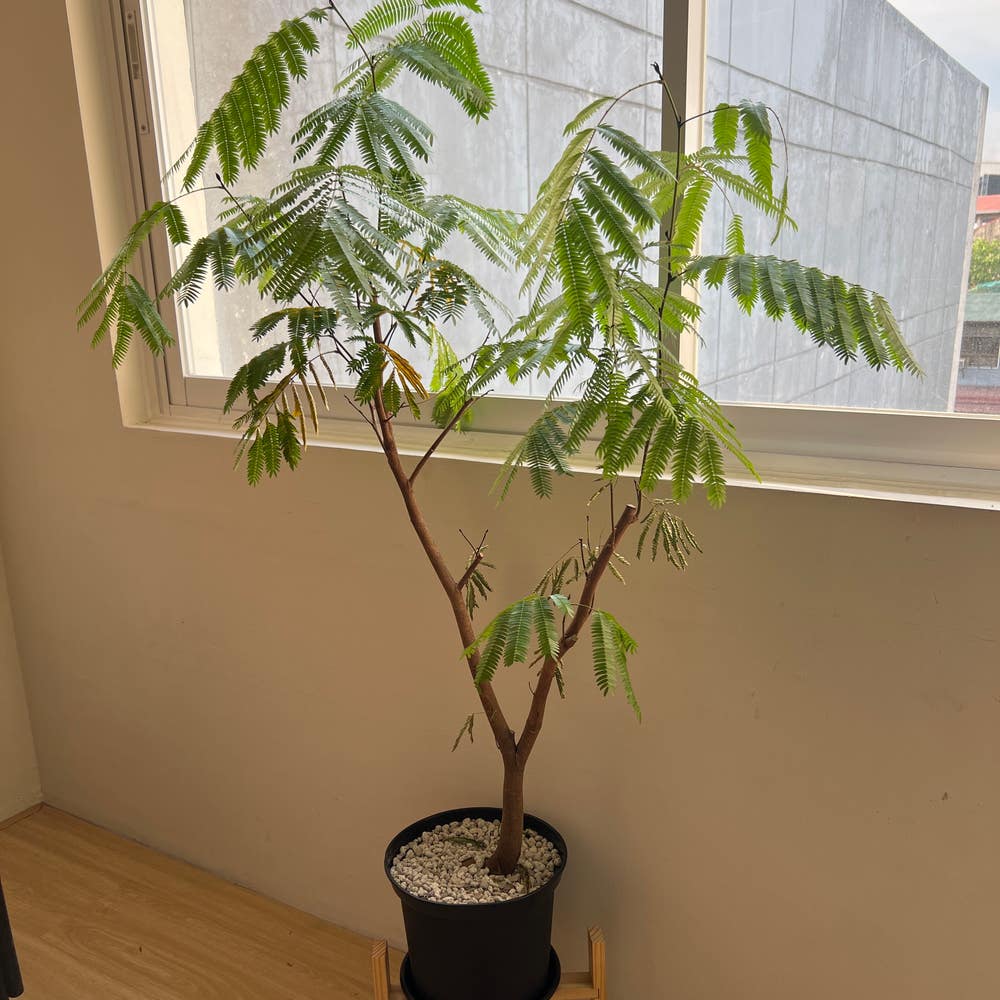
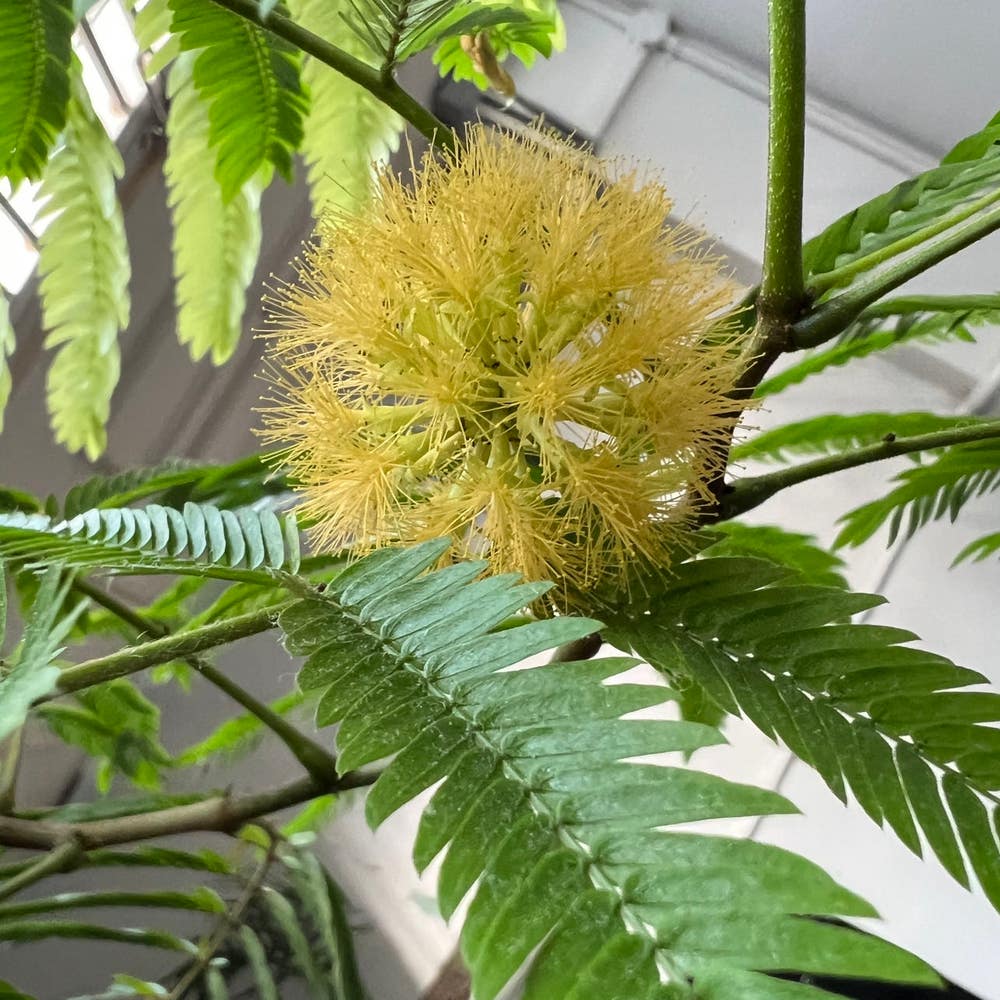
The Summer Chocolate Mimosa Tree is easily recognized by its fern-like leaves, which create a lush, green canopy. Its striking pink, fluffy flower clusters bloom in summer, adding a pop of color that can catch anyone's eye.
Typically, this tree grows between 10 to 20 feet tall, making it a noticeable presence in any landscape. Its growth habit is often bushy, contributing to its invasive nature in various environments.
Comparison with Look-Alike Plants 👀
When identifying the Summer Chocolate Mimosa Tree, it's crucial to distinguish it from similar species, such as Mimosa pudica. While both have similar leaf structures, Mimosa pudica is generally smaller and has a more delicate appearance.
Look for the larger size and the unique flower clusters of the Summer Chocolate Mimosa Tree to confirm its identity. Understanding these differences can help prevent confusion and ensure effective management of this invasive species.
With a solid grasp of its identifying features, you're better equipped to tackle the next steps in controlling its spread.
Growth Habits and Spread
🌱 Typical Growth Patterns
The Summer Chocolate Mimosa Tree exhibits rapid growth, especially in warm climates. It thrives in disturbed areas, roadsides, and open fields, making it a common sight in many landscapes.
🌬️ Reproductive Strategies and Methods of Spread
This invasive species produces large quantities of seeds that are easily dispersed by wind and water. Additionally, it can reproduce vegetatively, sprouting from roots and cuttings, which enhances its ability to spread.
🌍 Adaptability to Various Environments
One of the most concerning traits of the Summer Chocolate Mimosa Tree is its adaptability. It flourishes in poor soil conditions and can withstand drought, allowing it to invade diverse ecosystems effectively.
Understanding these growth habits and reproductive strategies is crucial for effective management. By recognizing how this tree spreads, you can take proactive steps to control its growth in your area.
Ecological Impact
🌱 Effects on Native Plant Communities
The Summer Chocolate Mimosa Tree competes aggressively with native plants, leading to a significant reduction in biodiversity. Its rapid growth and dense foliage can overshadow and outcompete local flora, disrupting established ecosystems.
🦉 Impact on Wildlife and Biodiversity
This invasive species alters food sources for native wildlife, making it harder for them to thrive. As the Mimosa Tree takes over, it can displace plants that provide essential nutrients and habitats for various animal species.
🌊 Influence on Soil and Water Resources
The presence of the Summer Chocolate Mimosa Tree can change soil composition and disrupt nutrient cycling. Its growth can lead to altered water retention in the soil, impacting both plant health and local water resources.
Understanding these ecological impacts is crucial for effective management and control of the Summer Chocolate Mimosa Tree. By recognizing its threats, we can take proactive steps to protect our native ecosystems.
Control and Management
🧤 Manual Removal Techniques: Step-by-Step Guide
Removing the Summer Chocolate Mimosa Tree manually can be effective if done correctly. Follow these steps for a successful removal:
- Identify the area of infestation. Look for clusters of the tree, especially in disturbed areas.
- Use tools: Grab shovels, hoes, or simply use your hands for hand-pulling.
- Remove the entire root system to prevent regrowth. This is crucial; any leftover roots can sprout new plants.
- Dispose of removed plants properly to avoid re-establishment. Consider bagging them and throwing them away instead of composting.
⚗️ Chemical Control Options: Pros and Cons
Chemical control can be a quick solution but comes with its own set of challenges. Herbicides like glyphosate are effective against the Summer Chocolate Mimosa Tree, but they can also harm surrounding vegetation.
- Pros: Quick results and less physical labor.
- Cons: Potential harm to non-target plants and environmental concerns.
🚧 Preventive Measures to Limit Spread
Preventing the spread of the Summer Chocolate Mimosa Tree is essential for long-term management. Here are some strategies:
- Monitor for new growth in areas where the tree has been removed.
- Limit seed dispersal by cutting flowers before they go to seed.
- Create barriers using mulch or other ground covers to suppress new growth.
🔍 Importance of Early Detection and Rapid Response
Early detection is key to managing infestations effectively. Regular monitoring allows you to catch new growth before it spreads.
- Benefits of quick action: The sooner you act, the less effort it will take to control the problem. Quick responses can save you time and resources in the long run.
By employing these control and management techniques, you can significantly reduce the impact of the Summer Chocolate Mimosa Tree in your area. Next, we’ll explore its ecological impact and how it affects local ecosystems.
⚠️ Safety First
This content is for general information and may contain errors, omissions, or outdated details. It is not medical, veterinary advice, or an endorsement of therapeutic claims.
Always consult a qualified healthcare professional before using any plant as food, medicine, or supplement.
Never eat any plant (or feed one to pets) without confirming its identity with at least two trusted sources.
If you suspect poisoning, call Poison Control (800) 222-1222, the Pet Poison Helpline (800) 213-6680, or your local emergency service immediately.
Spotted an error? Please report it here.
Protect your garden from the invasive Summer Chocolate Mimosa Tree by using Greg's expert tips for identification and monitoring, ensuring your local ecosystem thrives! 🌿