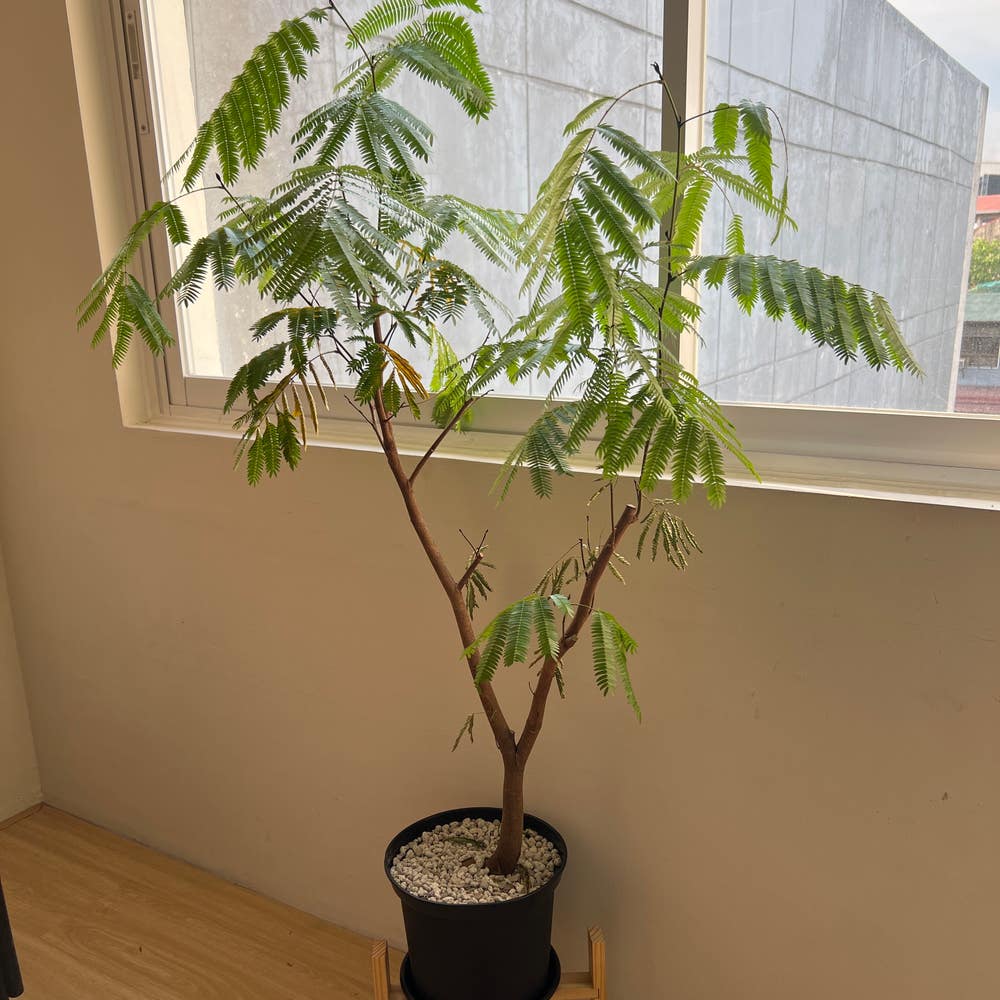
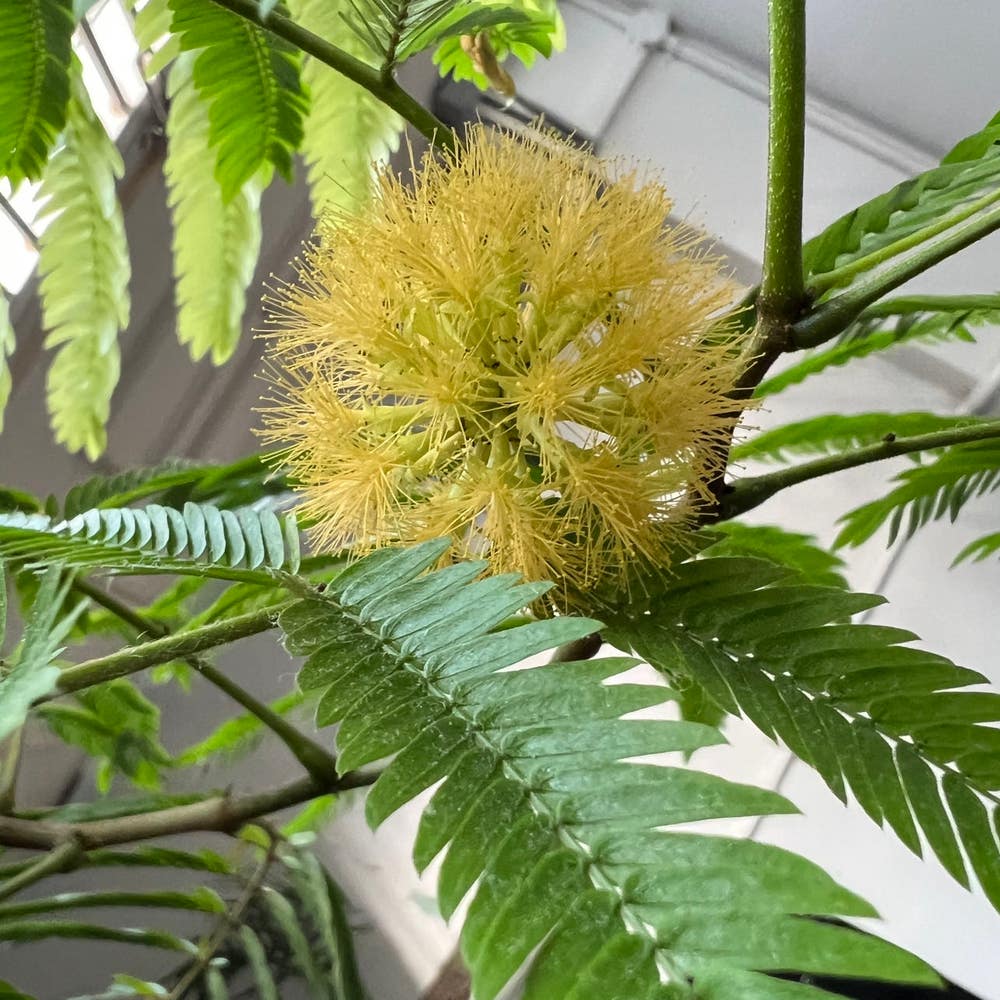
Managing Leaf Drop on Your Chocolate Mimosa Tree 🍫
Albizia julibrissin 'Summer Chocolate'
By the Greg Editorial Team
Sep 28, 2024•5 min read
This article was created with the help of AI so we can cover more plants for you. May contain errors. See one? Report it here.
Ensure your Summer Chocolate Mimosa thrives 🌳 by preventing leaf drop with these essential care tips!
- 🌡️ Optimal temperatures for Summer Chocolate Mimosa are 60°F to 80°F (15°C to 27°C).
- 💧 Moderate to high humidity is crucial; low levels lead to leaf drop.
- ☀️ Ensure 6-8 hours of sunlight daily to prevent premature leaf drop.
Causes of Leaf Drop
🌪️ Environmental Stress Factors
Temperature fluctuations can wreak havoc on your Summer Chocolate Mimosa tree. Ideally, it thrives in a range of 60°F to 80°F (15°C to 27°C); anything outside this can lead to stress.
Humidity is another critical factor. This tree prefers moderate to high humidity, and low levels can cause significant leaf drop.
Sunlight exposure is essential for healthy growth. Your Mimosa needs full sun for 6-8 hours daily; insufficient light can lead to leaves falling prematurely.
Wind exposure can also be detrimental. Strong winds can damage leaves, leading to early drop and an unsightly appearance.
🐛 Pests and Diseases
Pests can be a major concern for your Summer Chocolate Mimosa. Aphids are notorious for curling leaves and leaving a sticky residue, while spider mites create fine webbing and cause stippled leaves.
Diseases can also affect your tree's health. Root rot, often caused by overwatering, manifests as wilting and yellowing leaves. Fungal infections can lead to unsightly leaf spots and contribute to premature leaf drop.
Understanding these causes is crucial for maintaining your tree's health. By addressing environmental stressors and keeping an eye out for pests and diseases, you can help ensure your Summer Chocolate Mimosa thrives.
Diagnosing Leaf Drop
Identifying Symptoms 🌿
When diagnosing leaf drop on your Summer Chocolate Mimosa tree, start by observing leaf color changes. Yellowing, browning, or wilting leaves can signal underlying issues.
Next, examine the leaf texture. Look for crispy edges or soft, mushy spots, which can indicate stress or disease.
Finally, consider the timing of leaf drop. Seasonal patterns may reveal environmental stressors affecting your tree.
Assessing Environmental Conditions 🌡️
To effectively diagnose leaf drop, regularly check temperature and humidity levels. Your tree thrives in a specific range, so keeping tabs on these factors is crucial.
Monitor sunlight exposure throughout the day. Insufficient light can lead to leaf drop, so ensure your tree gets the full sun it needs.
Evaluate wind exposure as well. Strong winds can damage leaves, leading to premature drop.
Checking for Pests and Diseases 🐛
Regular inspections are vital for spotting pests on leaves and stems. Look for any unusual signs that could indicate an infestation.
Check for fungal presence by examining leaves for spots or mold on the soil surface. These can be signs of more serious issues.
Lastly, inspect the roots for signs of rot or disease. Healthy roots are essential for your tree's overall well-being.
By carefully diagnosing these symptoms and conditions, you can take proactive steps to manage leaf drop effectively. Next, let’s explore how to prevent leaf drop from occurring in the first place.
Preventing Leaf Drop
Proper Watering Techniques 🌊
Watering your Summer Chocolate Mimosa tree correctly is crucial for preventing leaf drop. During the growing season, aim to water deeply once a week, adjusting based on rainfall and temperature changes.
Using a soaker hose or drip irrigation is ideal. This method helps avoid wetting the foliage, which can lead to fungal issues.
Soil Management and Fertilization 🌱
Soil quality plays a significant role in your tree's health. Incorporate organic matter into the soil to improve drainage and promote healthy root growth.
For fertilization, use a balanced NPK fertilizer (10-10-10) every 6-8 weeks during the growing season. Be cautious not to over-fertilize, as this can cause nutrient burn and further stress your tree.
Pruning and Maintenance Practices ✂️
Regular pruning is essential for maintaining your tree's vitality. The best time to prune is late winter or early spring, just before new growth begins.
Focus on removing dead or damaged branches to enhance air circulation. Additionally, clean up fallen leaves to prevent the spread of diseases, and apply mulch around the base to retain moisture and regulate soil temperature.
By implementing these preventive measures, you can significantly reduce the risk of leaf drop and ensure your Summer Chocolate Mimosa tree thrives.
Next, let’s explore how to diagnose leaf drop effectively.
Treating Leaf Drop
Immediate Actions to Take 🌱
Start by assessing your watering practices. Adjust them based on the soil moisture levels to ensure your Summer Chocolate Mimosa gets just the right amount of hydration.
Next, inspect your tree for pests. If you spot any infestations, treat them promptly with insecticidal soap or neem oil to prevent further damage.
Finally, remove any affected leaves. Pruning damaged foliage not only tidies up your tree but also encourages new growth.
Long-term Care Strategies 🌳
To maintain a healthy tree, establish a consistent watering schedule. Consider using the Greg plant care app for reminders to keep you on track.
Monitor your soil health regularly. Adjust your fertilization as needed to ensure your Mimosa tree receives the nutrients it craves.
Don’t forget to check for signs of pests and diseases frequently. Early detection can save your tree from significant stress.
Recommended Products for Treatment 🛒
For pest control, opt for organic insecticides like neem oil or insecticidal soap. These options are effective and environmentally friendly.
When it comes to fertilization, choose balanced NPK fertilizers specifically suitable for Mimosa trees. This will help maintain their vibrant health.
Lastly, improve your soil quality with amendments like compost or well-rotted manure. These additions will enhance drainage and nutrient availability.
By following these steps, you can effectively treat leaf drop and promote a thriving Summer Chocolate Mimosa tree. Now, let’s explore how to prevent leaf drop in the first place!
⚠️ Safety First
This content is for general information and may contain errors, omissions, or outdated details. It is not medical, veterinary advice, or an endorsement of therapeutic claims.
Always consult a qualified healthcare professional before using any plant as food, medicine, or supplement.
Never eat any plant (or feed one to pets) without confirming its identity with at least two trusted sources.
If you suspect poisoning, call Poison Control (800) 222-1222, the Pet Poison Helpline (800) 213-6680, or your local emergency service immediately.
Spotted an error? Please report it here.
Keep your Summer Chocolate Mimosa tree thriving 🌳 by using Greg for tailored watering and fertilization reminders that will help prevent leaf drop and promote lush growth!